
Science History Instituteさんのイラストまとめ
@SciHistoryOrgFollow @SciHistoryOrgさんをフォローする
Follow us on Bluesky, Facebook, Instagram @scihistoryorg
フォロー数:3167 フォロワー数:23187


But grinding was slow and tedious work that required considerable arm strength and skill. Preparing materials “depends upon the exertion of great pressure on the pestle,” wrote one chemist in the 1890s. Inventive chemists explored ways to mechanize this work.


Wishing you a happy Star Wars Day with the out-of-this-world cover for the February 1962 issue of Modern Plastics, a journal for the plastics industry. This illustration is a concept piece by Charles W. Pelly to portray the “potential for plastics in space."
Looking for more stories of science? Subscribe to our Youtube channel! Subscribers receive a notification each time we share a new video.
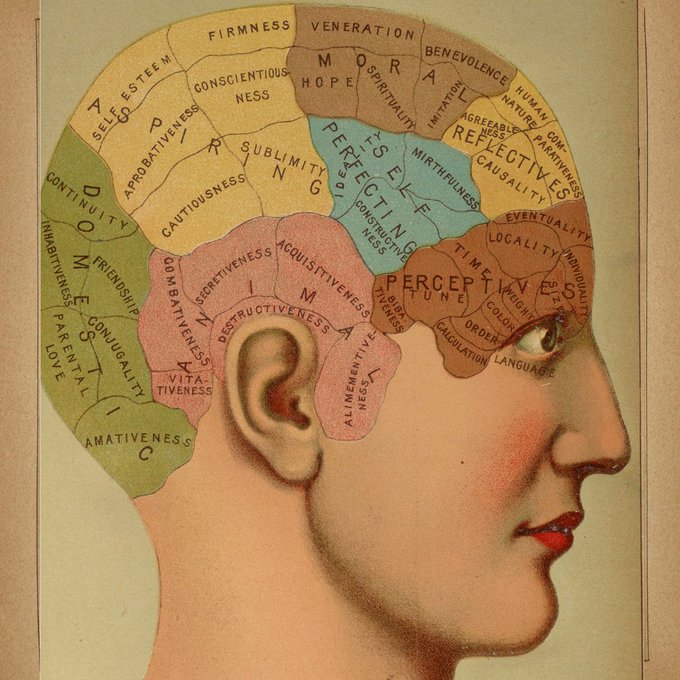
(Image: Anatomical diagram of the human head, The Book of Health, 1898.)
https://t.co/N2mRuAG3Ls
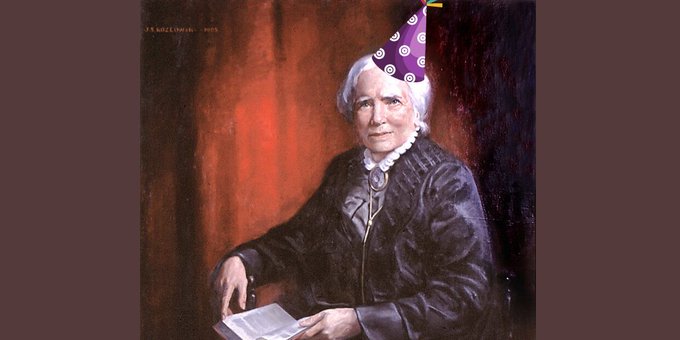
Happy birthday, Elizabeth Blackwell! The 1st woman in the US to receive a medical degree, Blackwell, born #OTD in 1821, championed women in medicine and opened her own medical college for women. More about her from @womenshistory.
#WomenInScience https://t.co/sJBBiDCkoC

These #SpookyTuesday spiders come from Micrographia (1665) by Robert Hooke. Check it out on our digital collections and zoom in really close! #OthmerLibrary
https://t.co/mKv3dGkMxh

Look at all this spectacular glassware! This illustration depicts a machine from the combustion of phosphorus and appears in the 1801 book Encyclopaedia Londinensis; or, Universal Dictionary of Arts, Sciences, and Literature. #MuseumMonday #OthmerLibrary https://t.co/iNKRoditIj


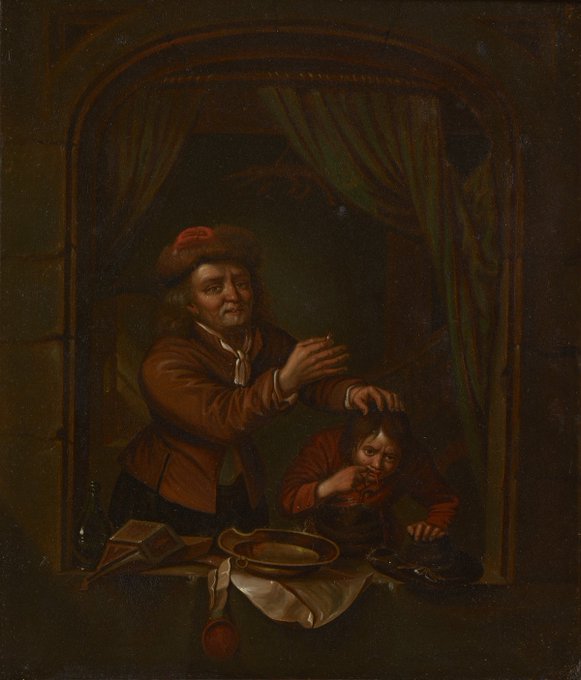
If you look closely at "An Alchemist and His Assistant," you'll notice a book with two illustrations inside: one botanical, the other anatomical, implying that the alchemist had broad knowledge of medicine and command over nature.