Wonderer's History Podcast 🏴 🇪🇺さんのイラストまとめ
@WondererHistoryFollow @WondererHistoryさんをフォローする
フォロー数:738 フォロワー数:1084


@FolkloreThurs The Wild Hunt is a #folklore motif present throughout European literature, usually represented as a harbinger of death, plague, war and thus are often seen as a villainous entity, despite being led at times by figures like Odin, Theodoric the Great or King Arthur.

@FolkloreThurs ...convert Muslims to Christianity in the Holy Lands. Much smaller numbers were actually tricked by merchants and were sailed to slave markets (not in the Holy Lands), enduring starvation and horrific conditions. Sketch by Gustave Doré 2/2 #FolkloreThursday

Children's crusade from 1212, presumably led by Stephen of Cloyes in France and Nicholas in Germany. A mix of historical facts and myths, it was said that the two had visions of them gathering thousands of children in order to peacefully... 1/2 @FolkloreThurs #FolkloreThursday

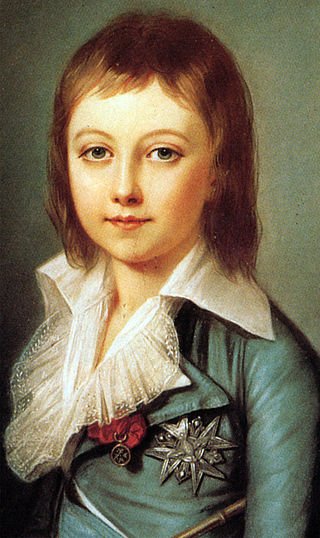

@FolkloreThurs The Dauphin of France was a title given to the Heir apparent to the Throne of France (1350-1791). Many Dauphins passed away during childhood, such as Charles Orlando (3 years-left), Louis XVII (10 y. upper right), Louis Joseph (7 y.,lower right) #FolkloreThursday

@FolkloreThurs Not the merriest of children folklore tweets here with Cronus, leader and youngest of first generation of Greek titans devouring one of his children. Painting by Peter Paul Rubens. #FolkloreThursday

Morning of the Battle of Agincourt, 25 October 1415 by English painter John Gilbert #Onthisday #History #French #English #Agincourt


Jörmungandr (Midgard Serpent), Norse mythological monster, son of Loki and archenemy of Thor. Painting to the right by Swiss Romantic painter Henry Fuseli (1790). @FolkloreThurs #FolkloreThursday