
The Long Victorianさんのイラストまとめ
@longvictorian2Follow @longvictorian2さんをフォローする
フォロー数:379 フォロワー数:21947

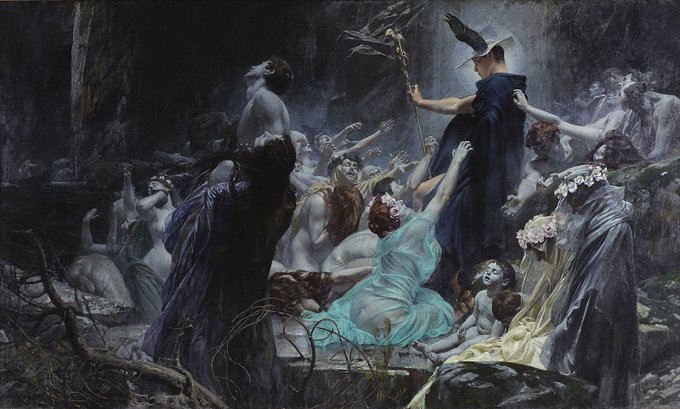
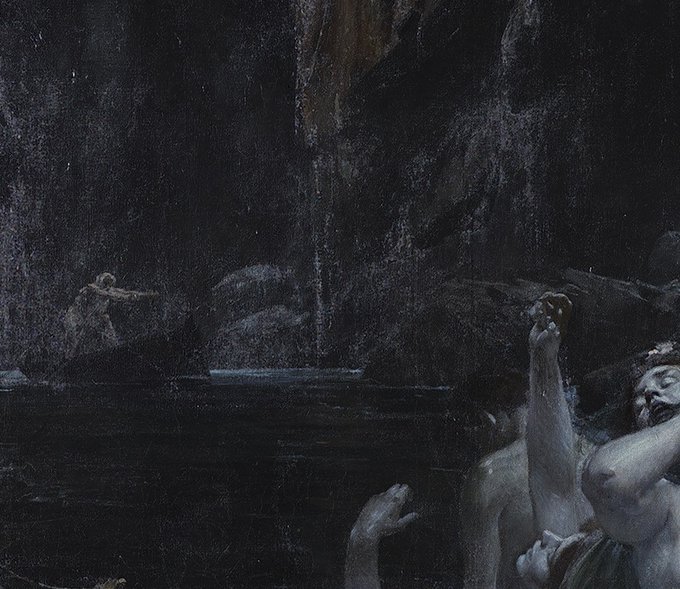
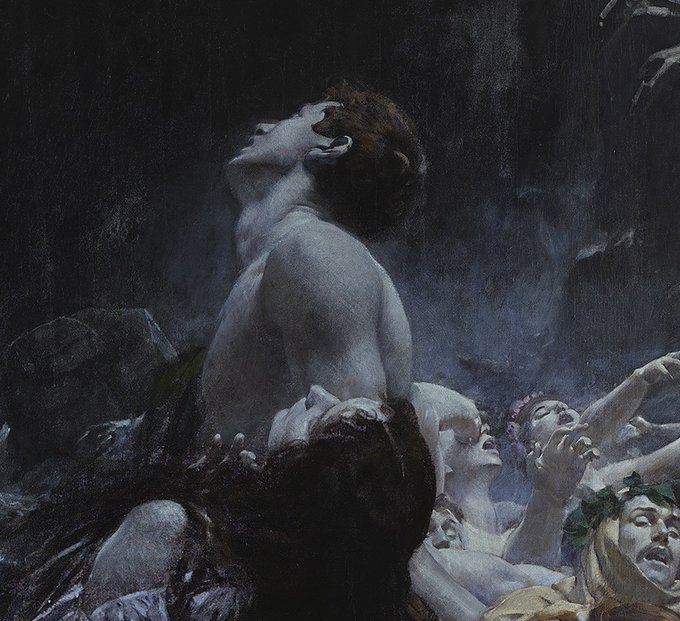
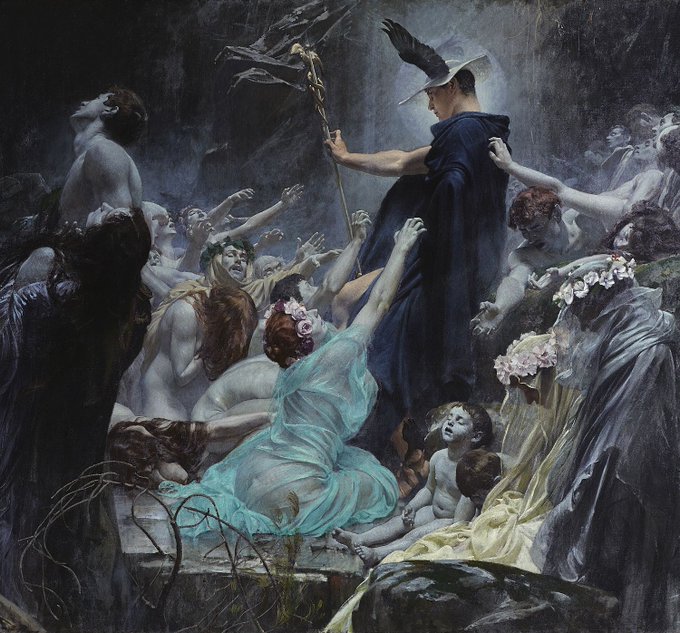
The Souls of Acheron (1898) by Adolf Hirémy-Hirschl (Hungarian, 1860–1933). Österreichische Galerie Belvedere. Mercury on the banks of Acheron, the "river of woe", alongside departed souls awaiting their journey. #JudgementDay #Charon


Echo and Narcissus (1903) by John William Waterhouse (English, 1849–1917). Walker Art Gallery. Narcissus fell in love with his own reflection and gazed lovingly at himself until he died. A narcissus flower grew on the spot where he died. Echo faded away. #Mythology
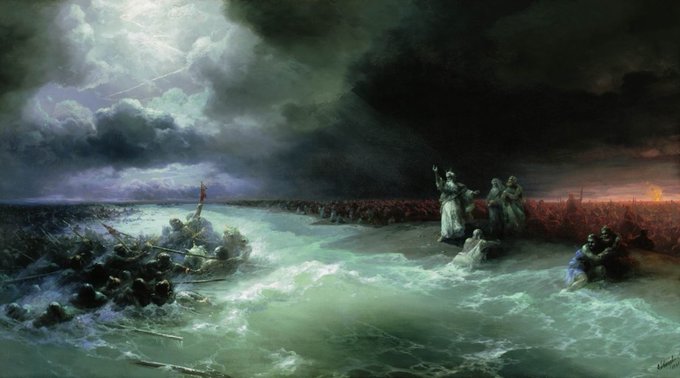
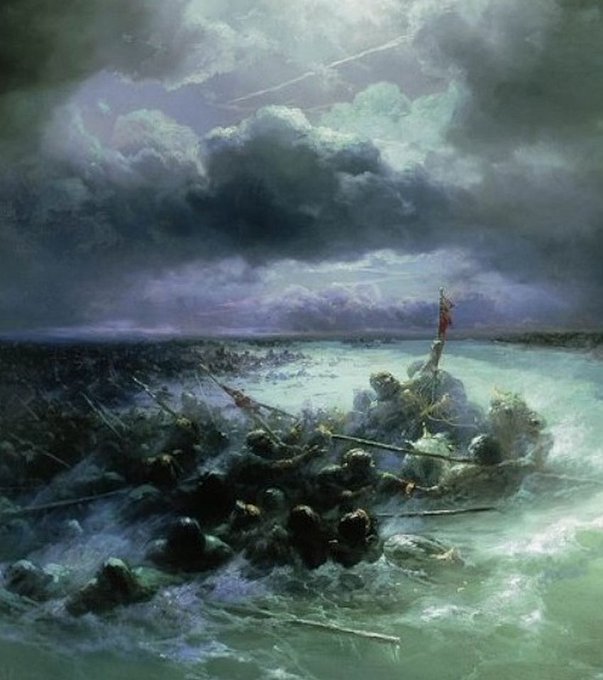

Passage of the Jews through the Red Sea (1891) by Ivan Aivazovsky (Russian, 1817–1900). The artist created about 6,000 paintings over nearly 60 years. #Storm


A CHRISTMAS CAROL - Cover of the first edition, 1843 - plus some of the hand painted illustrations by John Leech, Chapman & Hall. Dickens paid for the printing himself, but set the price low (five shillings) - a triumph of art over business. #CharlesDickens #Scrooge

Tamara and Demon (1889) by Konstantin Makovsky (Russian, 1839-1915). The devilish winged young man watches the last moments of Tamara’s life. #RussianArt #Romanticism

The Premature Burial (1854) by Antoine Wiertz (Belgian, 1806-1865). Wiertz Museum. Inspired by Edgar Allan Poe's short story (1844) of the same name. #Coffin


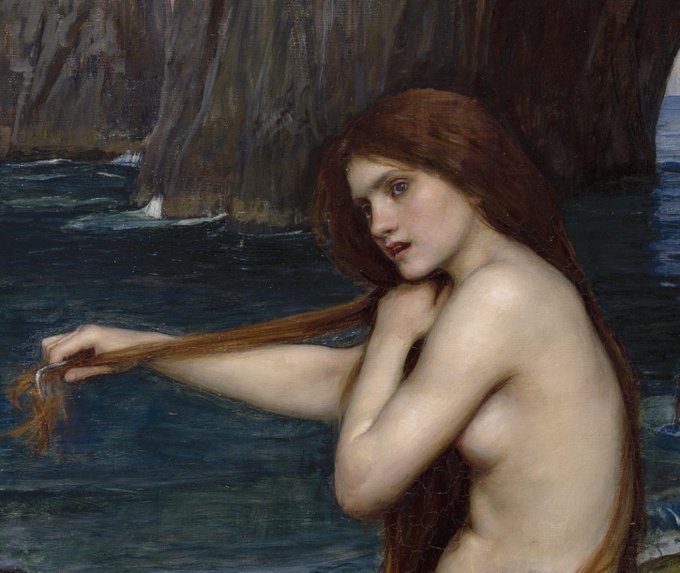
The Siren (1900) by John William Waterhouse (English, 1849-1917). The sirens were enchantresses who lured mariners to their doom with their seductive song. #Shipwrecked



Cleopatra Testing Poisons on Condemned Prisoners (1887) by Alexandre Cabanel (French, 1823-1889). Queen Cleopatra and her maid. The cheetah is the personification Mafdet, the goddess judgement, justice and execution. #Poison
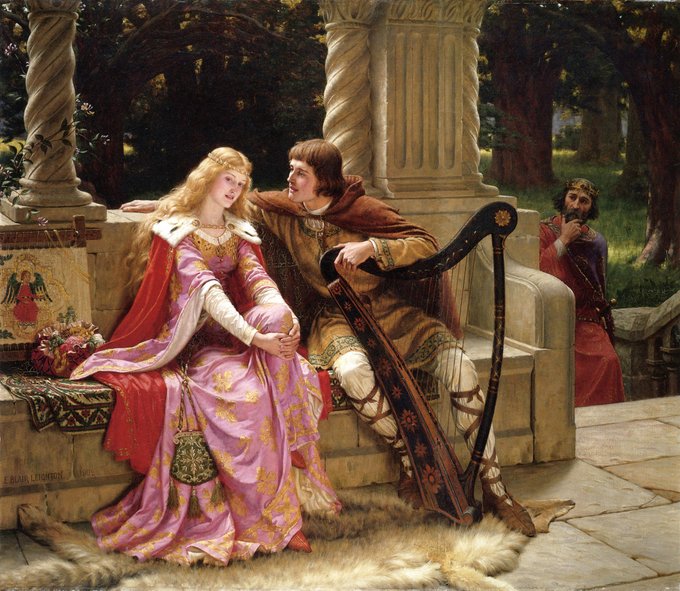
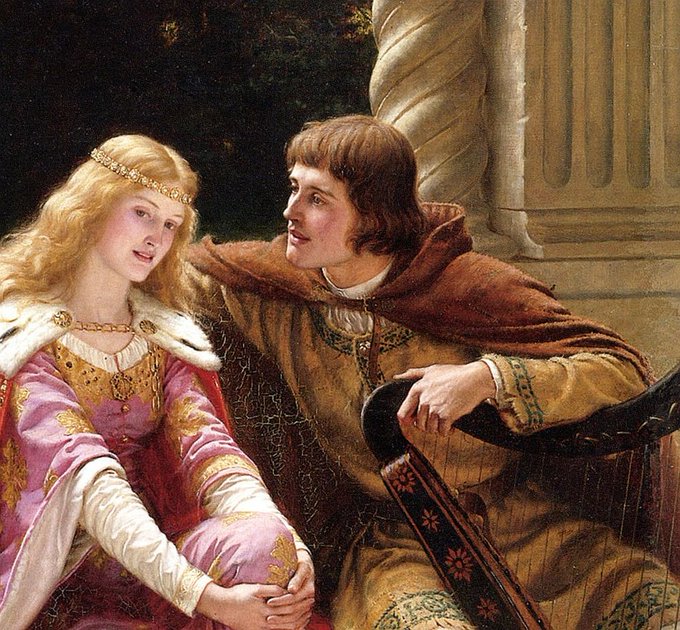
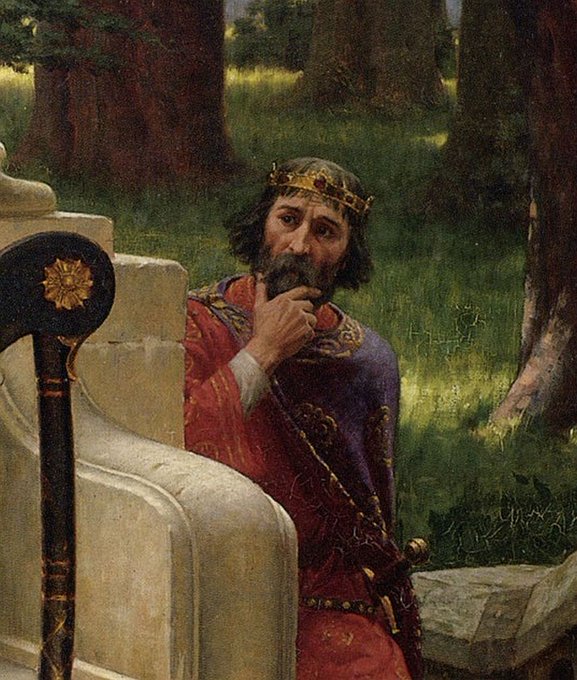

The End of the Song (1902) by Edmund Blair Leighton (England, 1852–1922). Tristan and Iseult. The earliest surviving versions of the story incorporate references to King Arthur and his court. #Arthurian