
Royal Horticultural Society Librariesさんのイラストまとめ
@RHSLibrariesFollow @RHSLibrariesさんをフォローする
フォロー数:1220 フォロワー数:4886


The sweet, shiny black berries of the Deadly Nightshade contain Atropine, which cause rapid heartbeat, hallucinations and seizures when eaten.
In Scotland it was believed that walking over Deadly Nightshade plants would make you see the ghosts of dead people. #FolkloreThursday


Today's paintings from our collection all feature butterflies.
Butterflies are really important pollinators. Did you know there are 59 species found in the UK?
Find out more on @The_RHS website: https://t.co/d4WlKgaqdE

Explore the enduring beauty of the Orchid in our online exhibition and find out more about @The_RHS's orchid painters, Nellie Roberts and @DeborahLambkin
https://t.co/zJuinP3zTw

#OTD Birth of Jane Loudon (1807-1858). Hand-coloured lithographic plate from her 1842 book 'The Ladies' flower Garden of Ornamental Annuals'. Illustrated by Henry Noel Humphreys.


Take a look at our online gallery, Exporting Beauty, which takes a look at how the beautiful nursery catalogues inspired the gardeners of the early 20th century to fall in love with Japanese plants.
https://t.co/TocOukAENY

Today we look forward to the unfurling of beautiful peony flowers. Hundreds of years ago they were grown for their roots (which were believed to cure epilepsy. ). Discover the hidden medicinal stories of garden plants in this online exhibition
https://t.co/lGTnUWsowt
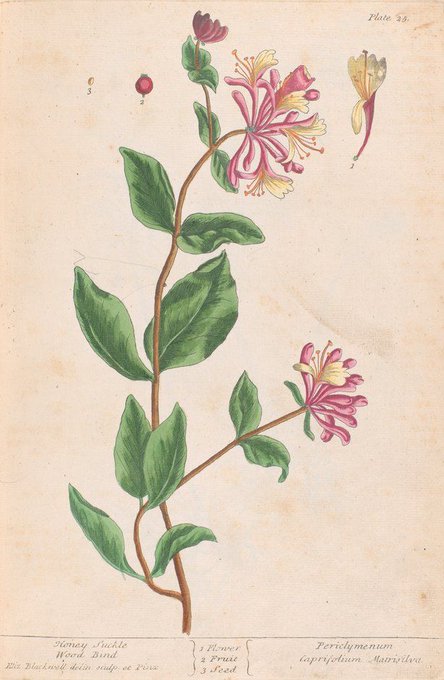
Is your garden hiding something from you?
Many of garden plants have past lives as medicines. Our Healing Garden online exhibition reveals some surprising cures and chemicals that may be lurking in your flower-bed.
https://t.co/lGTnUWaNEV
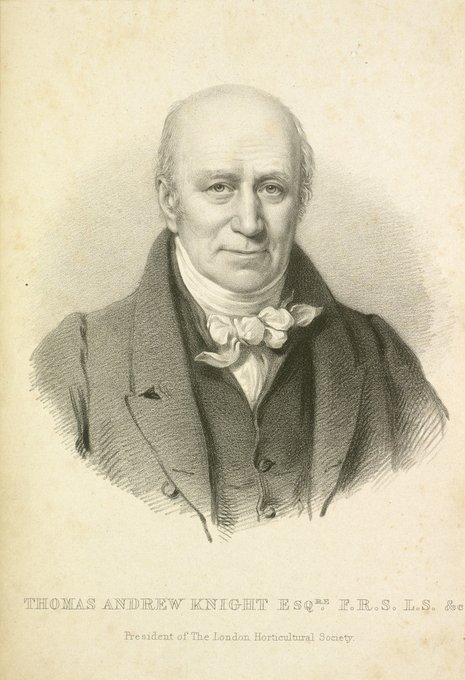
#OTD Birth of Thomas Andrew Knight (1759-1838), RHS President. Printed lithograph by Richard James Lane after an original by Solomon Cole, 1841.

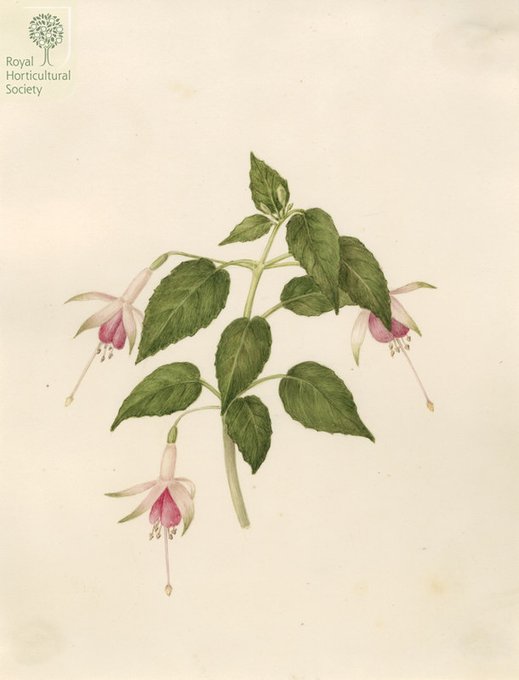

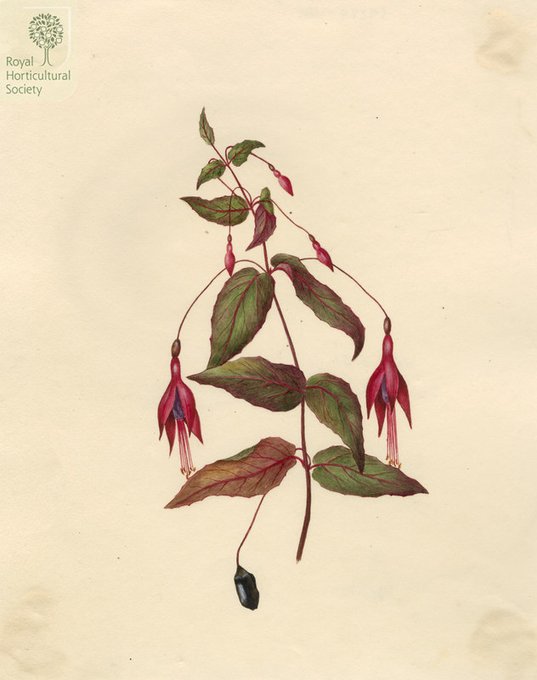
Today's summer flower is the Fuchsia. Easy to grow with simple but beautiful pendulous flowers, they remain one of the most popular garden plants.
The first fuchsias were grown in Europe in the 1790s and hybridization brought the wealth of colour and form that we can now buy


