
Royal Horticultural Society Librariesさんのイラストまとめ
@RHSLibrariesFollow @RHSLibrariesさんをフォローする
フォロー数:1220 フォロワー数:4886


Attracting butterflies to our gardens has been a long standing aim for gardeners.
These two pieces of art from our collection show that even in the 19th century we wanted butterflies in our gardens!

This colour engraved plate from the 1777 edition of 'Flora Londinensis', shows an Orchis mascula.
The books purpose was to include 'plates and descriptions of such plants as grow wild in the environs of London'.
#WildflowerHour

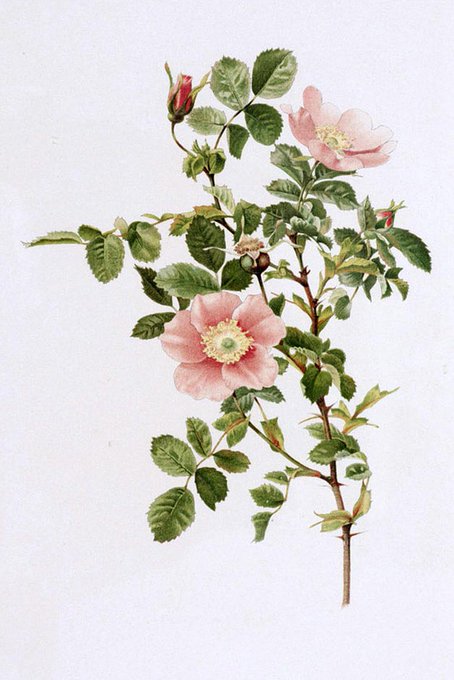


Did you know each month is represented by a different flower?
June's flower is the Rose. Roses are available in many colors from red to pink to white to yellow, all with their own special meanings, the underlying message the flowers convey is that of love and passion.
#Rose

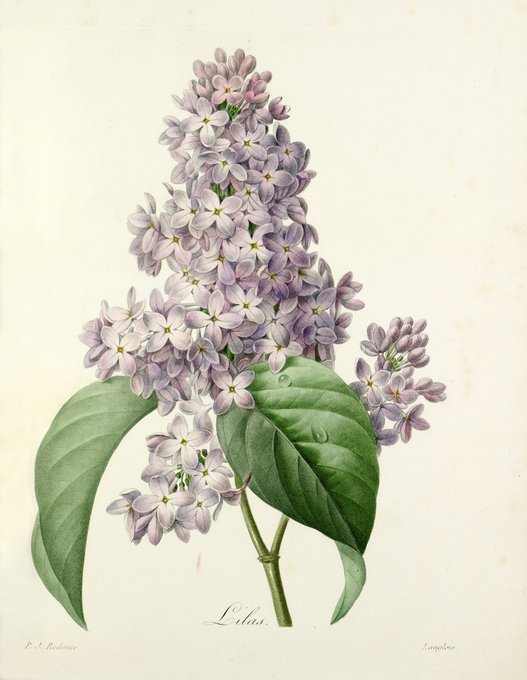

Our collection of botanical art at The Lindley Library contains art from across the world and across the centuries.
Here's a selection of summer flowers from the collection. Which one do you like?

The Cedar tree is often referred to as The Tree of Life in plant folklore, due to it's long life.
It represents purification, with its wood often burnt to ward off evil spirits.
#FolkloreThursday

The sweet, shiny black berries of the Deadly Nightshade contain Atropine, which cause rapid heartbeat, confusion, hallucinations and seizures when ingested, hence the rhyme:
Hot as a hare
Blind as a bat
Dry as a bone
Red as a beet
Mad as a hatter
#FolkloreThursday

Did you know each month is represented by a different flower?
May's is Lily of the Valley.
Lily of the valley symbolizes sweetness and humility and is generally white. In the Victorian era, it was gifted to convey the romantic message ‘you have made my life complete’.


As our collection of Spring Flowers were popular last week, we thought we'd share some more today.
Which ones are your favourites and what would you like to see that we haven't shared yet? #FloralFriday #SpringFlowers
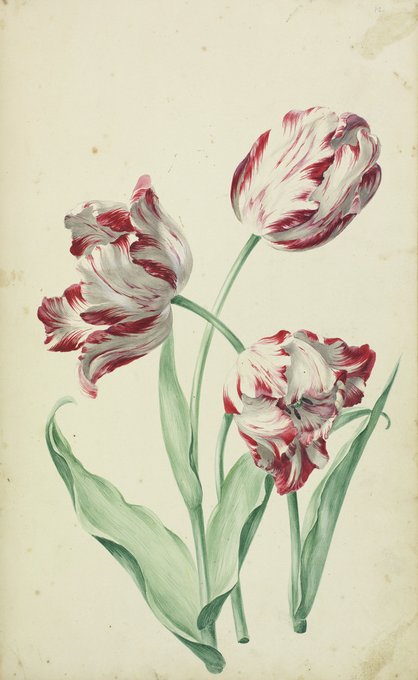


Tulips are brightening up many gardens now, so we thought we'd share some examples of artwork of tulips from our collection.
These are all watercolours on paper of Tulips attributed to the artist August Wilhelm Sievert from 'Hortus florum imaginum' dating from around 1730.


For some people, the flowers of early spring are their favourites for colour as the garden comes back to life.
Which of these is your favourite?
#SpringColour #SpringGarden