SCIARTのTwitterイラスト検索結果。 6,563 件中 170ページ目


Need a bit of #SciArt this morning? Read/listen to "The Petrified Fern," by Mary Bolles Branch on your coffee break! The moral of this poem is that no matter how inconsequential your efforts may seem, they'll be appreciated in time. #PalaeoPoems #PaleoArt
https://t.co/piDBW6izMj


Our second scientific image from the #CSCIartcompetition comes from @Gio_Canu from the Vallier lab.
United by the love for science
Giovanni Canu (Vallier lab)
2/4


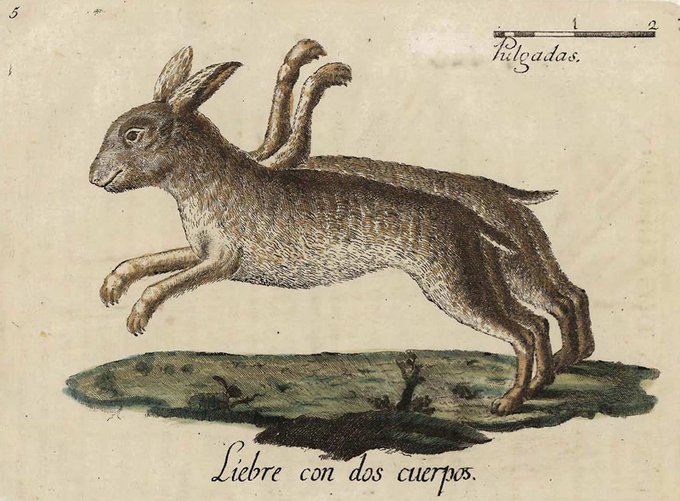
#HistoriaMNCN En sus inicios reunió casos teratológicos humanos y animales por la gran curiosidad que despertaban en la gente. La 1ª publicación (1784) fue "Colección de Láminas que representan los animales y monstruos del Real Gabinete de Historia Natural" de J. B. Bru. #SciArt


#BotanicMonday: a cultivar of Sturt's Desert Pea (Swainsona formosa), one of Australia's most recognizable #wildflowers. #SciArt by P. Stroobant for "L'Illustration Horticole", Vol. 12 (1865), contributed in #BHLib by the Raven Library of @mobotgarden ➡️ https://t.co/qbuvycC92J


Results from the #paleostream!
Parapropalaeohoplophorus, Shamosaurus, Llallawavis and Zby.
#paleoart #sciart #ankylosaur #sauropod #dinosaur #bird #terrorbird


March 29: Red currant is in bud, according to Stillingfleet's 1755 #CalendarOfFlora, recorded in Norfolk. Ribes rubrum. Choix des plus belles fleurs: et des plus beaux fruits by Redouté. https://t.co/TpJel3hBRZ via @BioDivLibrary @mobotgarden. #BHLib #SciArtSunday #SolaceInNature


Anyone else been snacking a lot recently?
Another one from Mark Catesby’s ‘The Natural History of Carolina, Florida and the Bahama Islands’
#RareBooks #illustration #SciArt


Approximate size of some Dromaeosaurs I’ve reconstructed recently. From left to right: Dineobellator, Zhenyuanlong, Achillobator, Velociraptor (bottom) and Microraptor (top). #paleoart #sciart #dinosaurs

Ok, now a bit more finished and with a silhouette of a 1.8 m tall human to show the suggested approximate size of this huge Dromaeosaur. Remember that adding soft tissue to an animal bones will add considerable bulk and size #Paleoart #sciart #dinosaurs


#stockpile #Beer - brewed in #Isolation by a friend, label designed in isolation by me.
#coronavirus #cartoon #sciart

Just finished this reconstruction of the very large, deep-bodied and short-legged Achillobator giganticus, a Dromaeosaurid from the Late Cretaceous of Mongolia #paleoart #sciart #dinosaurs


CAGED
«Keeping a bird caged won't make its wings disappear».
#medart #medicalart #anatomyart #anatomicalart #cardiology #heartart #heART #illustration #medicine #corazon #cardiologia #conceptart #sciart #COVID19 #coronavirus #CALMOutNow #StayHome #Quarantine

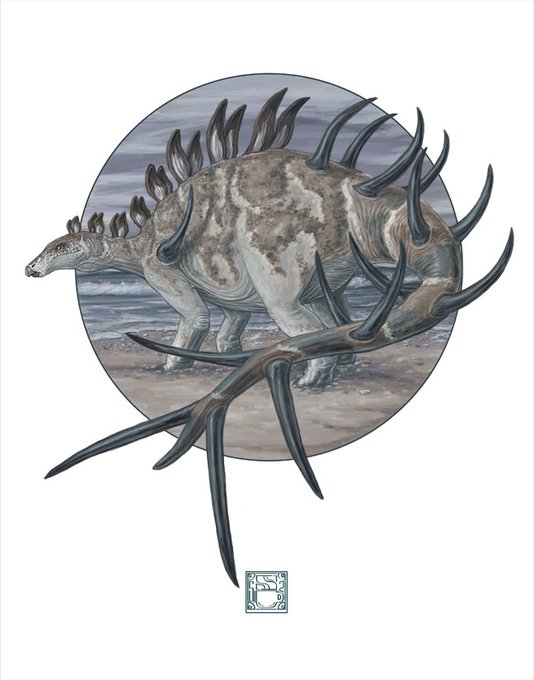
Final version of #Kentrosaurus aethiopicus.
#stegosaur #jurassic #paleo #paleoart #paleontology #sciart #science #educational #naturalhistory #dinosaur #dinosaurart #dino #dinoart #digitalart #digitalillustration #illustration #illustrationart #art #artist #artistsontwitter

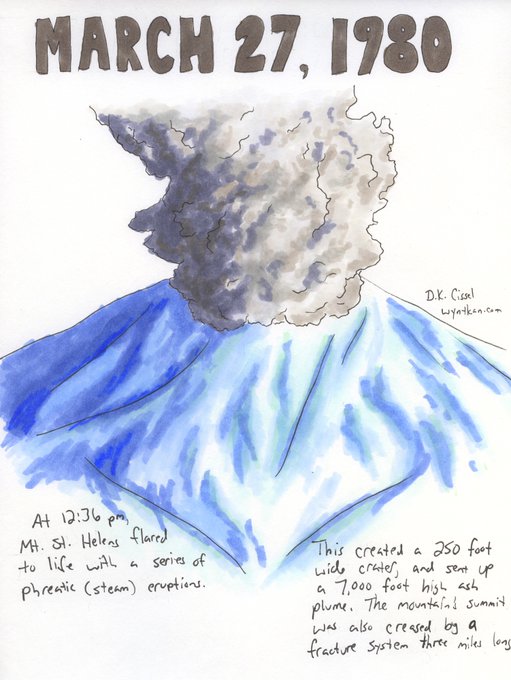

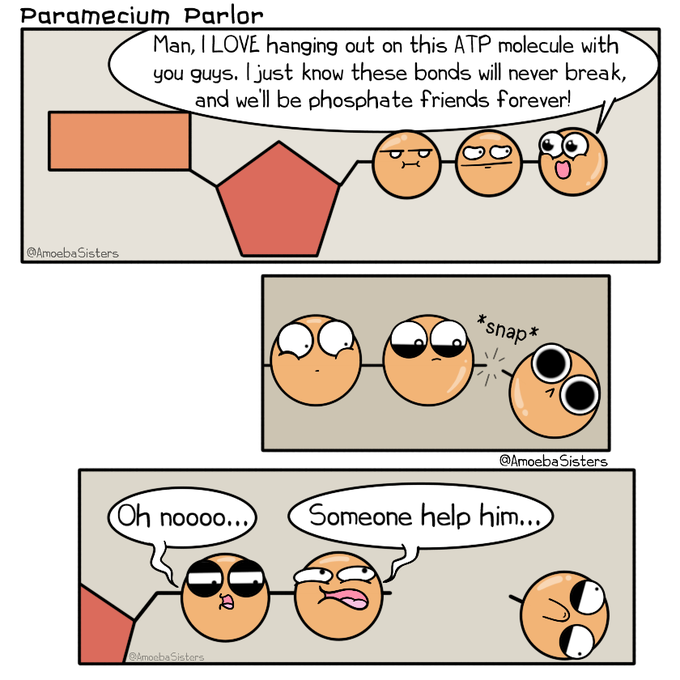
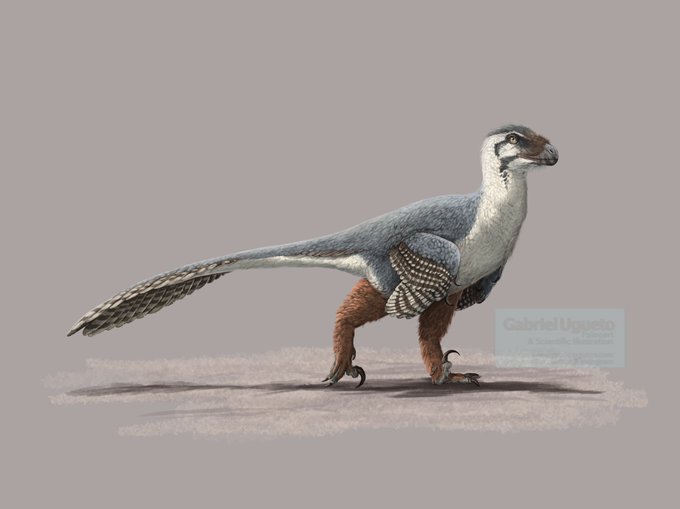
For today’s #FossilFriday my take on Dineobellator notohesperus, a Velociraptorine dromaeosaur from Late Cretaceous North America, that was described yesterday. Because if there is a new Dromaeosaur I can’t help myself #Paleoart #sciart #dinosaurs

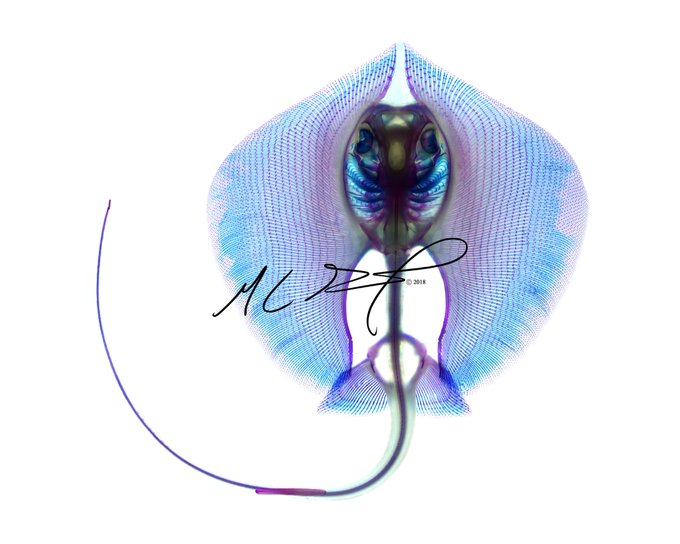
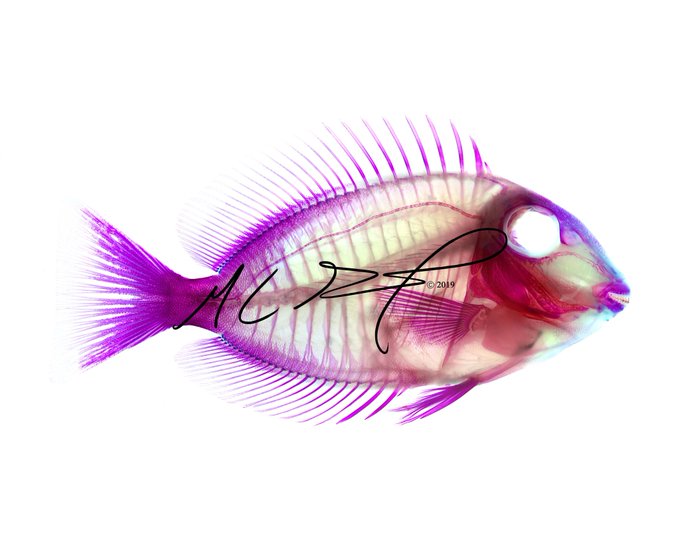


@JacquelynGill I photograph cleared and stained vertebrates and sell prints! https://t.co/o2wxMIeGWr .#sciart #art #photography


Here are all three of these together! Each was based on a photo I took of a bird captured during MAPS or TMAPS bird banding over the last couple years. I might do more in the next few weeks, it's fun to come up with costumes! #sciart #stircrazybirders


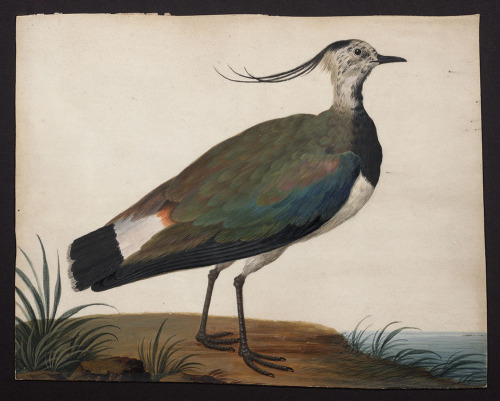
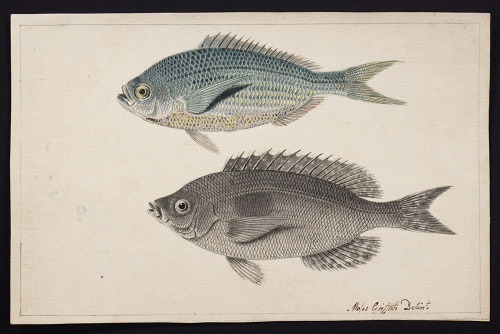

Welsh artist and illustrator Moses Griffith was born #OTD 1747.
These drawings are from a set of Griffith's sketchbooks that @LindaHall_org purchased in 1952.
Further info: https://t.co/blCLWH508E
#histSTM #sciart