SCIARTのTwitterイラスト検索結果。 265ページ目

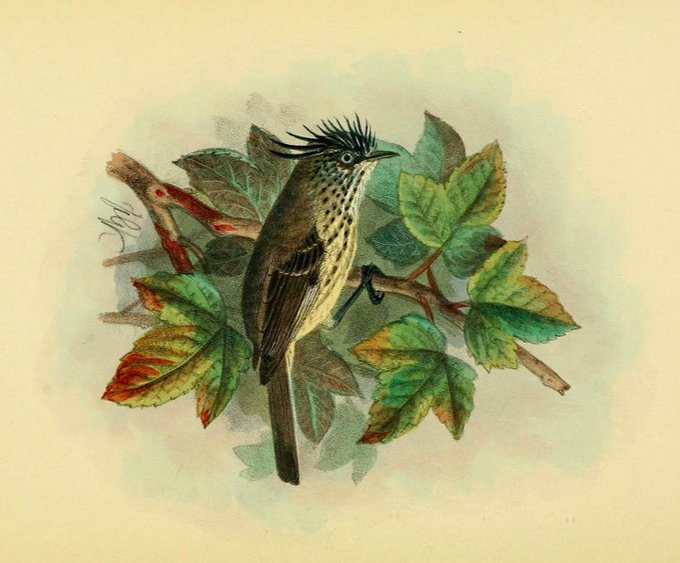
#Feathursday style of the Tufted Tit Tyrant (Anairetes parulus). #SciArt by John Gerrard Keulemans for Richard Crawshay, Birds of Tierra del Fuego (1907). Contributed for digitization in #BHLib by @SILibraries: https://t.co/XXY49AR8m0 -- #birds #ornithology


Refractive fingerprints, #VR art, Warholian repetition, concrete photography, and more! - Read the #Leonardo journal #SciArt, #ArtSci https://t.co/0IWBoGQHqH

Calling all #sciart people! It’s time to gear up for #GNSIconf. Conference registration opens Friday, April 6 at noon PT. Check out the 70+ panels, workshops, and presentations over at https://t.co/J5QZvr33rZ

Blue-grey Tanager (Thraupis episcopus) for #Feathursday! #SciArt by William Swainson for his Birds of Brazil and Mexico (1841). Contributed for digitization in #BHLib by @mayrlibrary of the Museum of Comparative Zoology at @Harvard: https://t.co/HRMzDFDPOM -- #birds #ornithology


Got that Thursday feeling... Illustration by Isabelle Dalle @IDalle #medart #sciart #medicalillustration


Salvatore Zanfrisco's creative anatomic pen illustrations shows us we are more than just flesh and blood #medart #meded #sciart #anatomy #medicalillustration


NEW Spider Bandana & Invertebrate Fossil Bandana up for preorder, each in 2 colors! I'm really excited to introduce these new designs! #sciart #insects #arachnids #fossils https://t.co/U7XMQrW3jb


Do you enjoy making art? Please join the fun & help us raise awareness about #frog conservation! Email us at Info@FrogRescue.com Previous work is posted at https://t.co/a9Wq4L7s85 including this painting by Tony from @itsnotaboutwork #MondayMotivaton #ConservationOptimism #sciart


Tonight's small #Paleostream had not so many sketches in the end but I like them all very much. Sleepy Dimetrodon, tidal pool fishing Tanystropheus, fluffy Heterodontosaurus and a shy Acausaurus. #paleoart #sciart #dinosaurs


Happy Easter! This illustration is about #Makemake discovery, on March 31, 2005. #EasterHoliday #dwarfplanet #astronomy #sciart #illustrationart #illustrations #space #spazio #solarsystem


...and for THIS week’s #sundayfishsketch, here’s a big, beautiful Pacific white shark affectionately known as Scar Girl. Haha thanks @Lampichthys for helping me get my calendar straight!! #sciart

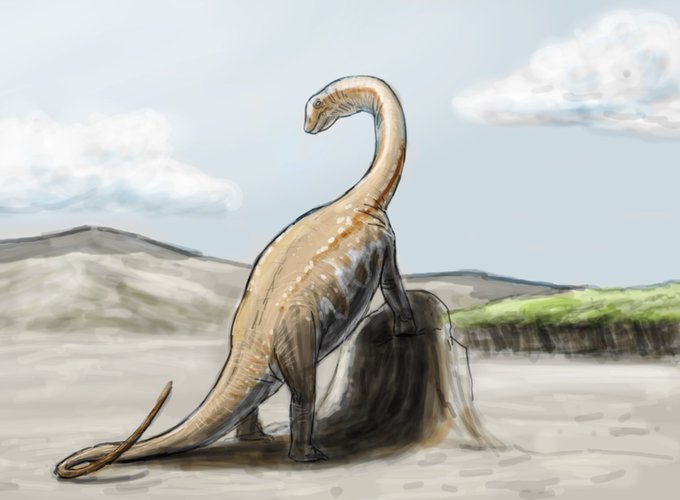


Happy Easter everyone! Highlights from the #Paleostream, Geikia, Sarcosuchus, Magyarosaurus and Maiacetus. #paleoart #sciart #WHALES #whalewatching


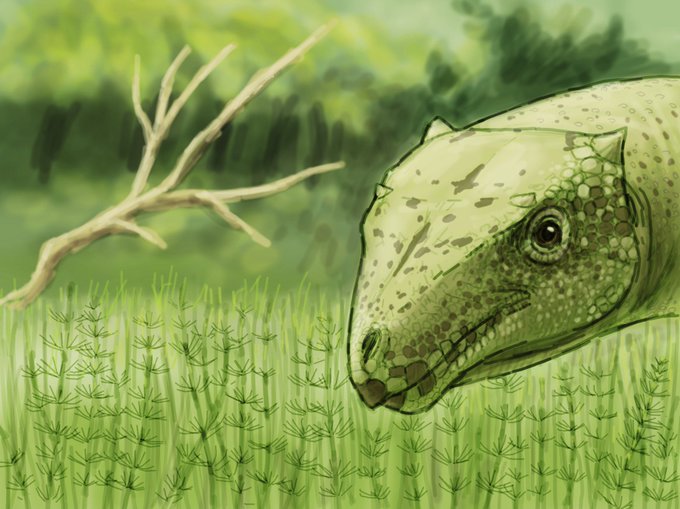

Highlights from the #Paleostream. Bothriolepis aquarium, Emausaurus, Creatosaurus, Kaikeifilu. #paleoart #sciart #dinosaurs #mosasaur #placoderm #jurassic


Explore the #SciArt of Mary Ann Burnett for #FloraFriday & #WomensHistoryMonth in "Plantæ utiliores" ([1839]1842-1850), presenting illustrations of "useful #plants" in art & medicine. Digitized in #BHLib by @FieldMuseum: https://t.co/5vhnsQEBxV #plantsci


Another look at my Allosaurus reconstruction for @DinosaurJourney!
#paleontology #sciart #FossilFriday #paleontologist #dinosaur #dinosaurs #allosaurus #paleoartist #paleoart #JurassicPark #JurassicWorld #JurassicWorldFallenKingdom #ConceptArt #ConceptDesign #Creaturedesign


Day 30 #WomensHistoryMonth #WomenInSTEM Features #volcanologist Katia Krafft, known for filming and photography of #volcanos, which helped with public safety cooperation during eruptions. #women #WomenInScience #sciart #illustration #science #scicomm #womeninstemm #geology #lava

Barnacles are filter-feeding crustaceans. #SciArt of rabbit-ear barnacle (Conchoderma auritum) - a type of goose barnacle - by Richard Polydore Nodder for Shaw's "The Naturalist's Miscellany" (1789-1813) v. 16. In #BHLib via @bhl_au and @museumsvictoria: https://t.co/cXmZfCIoxu

A peek at my #Allosaurus reconstruction I'm updating for @DinosaurJourney!
#paleontology #sciart #paleontologist #dinosaur #dinosaurs #anatomy #paleoartist #paleoart #JurassicPark #JurassicWorld #JurassicWorldFallenKingdom #ConceptArt #ConceptDesign #CreatureDesign #dinoart


Basic #procreate sketch of a poster I am working on for the #journalofhepatology !
@camp_illustrate @emilymcd_art and I are getting something together for you guys and this will be a critique case-study so watch out for our upcoming #youtube channel #SciartNow !
#sciart #scicom

Day 28 #WomensHistoryMonth #WomenInSTEM Jennifer Doudna helped develop #gene editor #CRISPR which will help in treatment of genomic diseases like HIV or Huntington's! #women #WomenInScience #sciart #illustration #science #scicomm #womeninstemm #microbiology #DNA #Cas9 #genetics