lorethursdayのTwitterイラスト検索結果。 40ページ目


#FolkloreThursday - South Sea Island Folktales: Sina and the Eel https://t.co/aaiFrYuaNm #Island #Folktales #SouthSeas #Samoa #AmericanSamoa


#FolkloreThursday In Greek mythology the Lotus Eaters are islanders addicted to eating the apathy inducing lotus. They try to entice Odysseus’s men into joining their carefree life by feeding them the fruit, after which they lose all desire to continue their voyage.


#FolkloreThursday theme of #Islands
In lore, the Faerie King Eveling holds his court at Harknott Pass. Eveling is an interesting character, perhaps connected in mythology to Avalloc, putative ruler of the Island of Avalon #Cumbria
🎨 James Archer: The Death of King Arthur


The Hiyoribō (日和坊) is an obscure weather yōkai of Ibaraki Prefecture, wandering the mountains and rarely seen. He brings good weather, and is said to resemble a little Buddhist monk. If you can find him, he may yet bless you with sunshine. #FolkloreThursday
🖼: M. Meyer

In Penobscot and Abenaki lore the Pamola is the Snow Bird, large enough to carry off a moose (and has a moose head) bring deadly snowstorms. It lives on mountains in Maine and the surrounding areas, and no soul should climb those peaks in winter. #FolkloreThursday
🖼: S. Centore

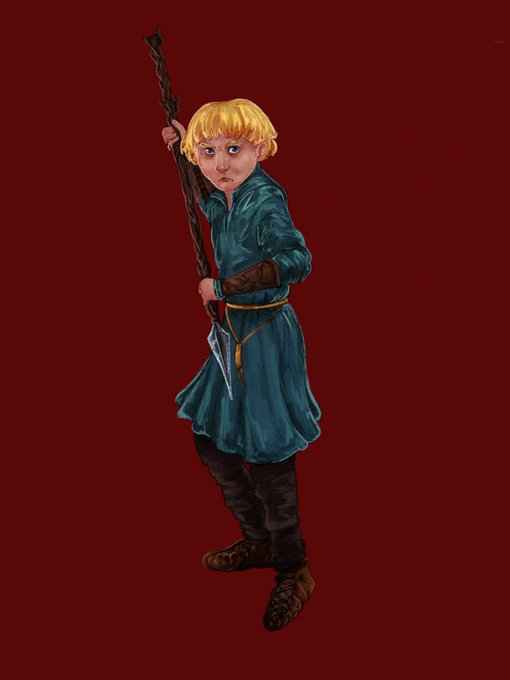

#FolkloreThursday At the age of only 10 years old, Fionn Mac Cumhaill defeated Áillen Mac Mídhna, a wicked fairy who burned the fort at Tara down every Samhain. For this deed, he was given leadership of the Fianna, taking it from Goll Mac Morna, the man who killed his father.

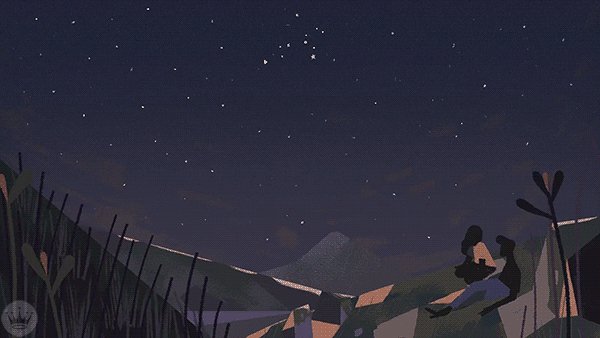
2/2...There are various proverbs about March's weather relating to Lions and Lambs, which may have originated from Astronomy as the constellation Leo rises in the East to start March, and the month ends with Aries setting in the West #FolkloreThursday


#FolkloreThursday Do you ever wonder what those faceless phantoms are trying to tell you when they knock your window? Voices, rising... But you can't catch the wind (From The Wind song, part of my illustrated music book "The Underliving"). My own art too https://t.co/xRl8A1zyaI


It's #FolkloreThursday! [Ukko, Finnish god of sky, weather, harvest, and thunder, by Robert Ekman]


The Shipwreck (1772) by Claude-Joseph Vernet (French, 1714 - 1789). National Gallery of Art, Washington D.C. “Lightning never strikes the same place twice.” It's folklore, but is it true? #FolkloreThursday #MarineArt #MaritimeArt


In Slavic folklore Płanetnik was a creature who filled the clouds with water or hail and moved them around the sky. Depending on how people treated them and on their own whim, płanetniks brought favourable weather or a natural disaster.
Art by Paweł Zych
#FolkloreThursday


“Pimpernel, pimpernel, tell me true,
Whether the weather will be fine or no…”
The scarlet pimpernel is known as “the poor man’s weatherglass”.
It’s tiny red flowers open for sunny days and close for rainy days.
(🎨Cecily Mary Barker) #folklorethursday


Akashita is a #yokai appearing as a dark cloud with sharp claws, a beast's face and long red tongue. If rice farmers divert and steal water from neighbours during droughts, akashita punishes them by draining their water & snatching them with its long red tongue.
#FolkloreThursday


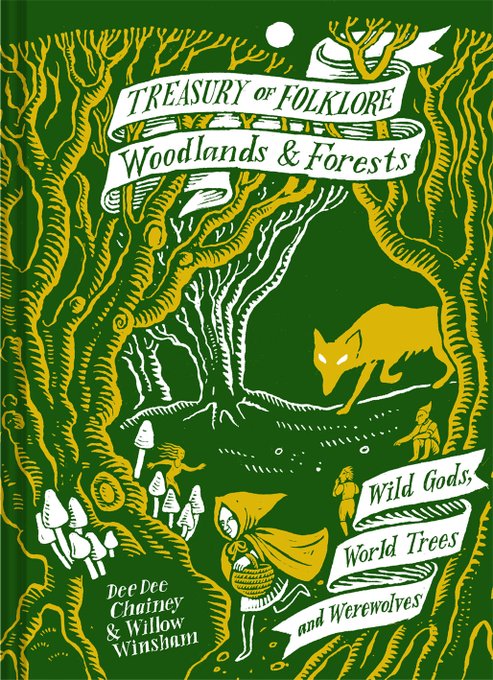

"I met a little girl with a book under her arm. I asked her why she was out so early and she answered that there were too many #books and far too little time. And there she was absolutely right.”
#ToveJansson
#FolkloreThursday #TreasuryOfFolklore https://t.co/uq2ImsWECw

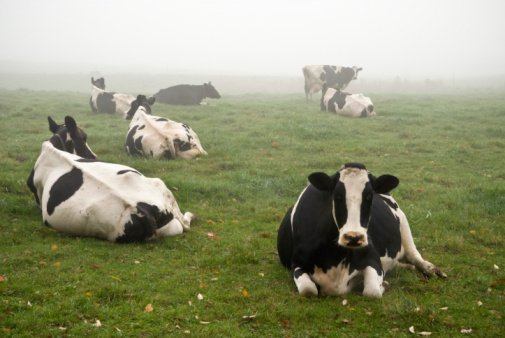

Thread (short): #Weather folklore & myths in #Ireland! 🎨Jane Brideson #FolkloreThursday 🌈⛅️☂️🌧️🌞☃️⛈️ https://t.co/GCKjnYe6oz

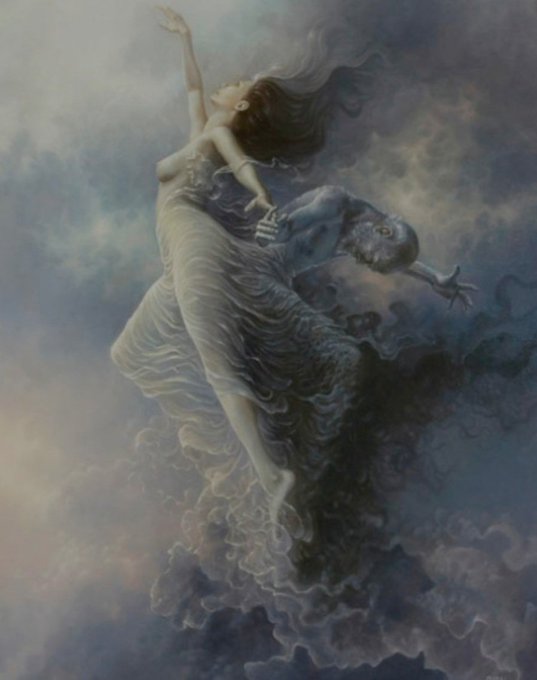
In Greek mythology,clouds were young nymphs,Nephelai,the daughters of Oceanus & Tethys. They would collect water from the streams in pitchers & when full,let them pour down,replenishing the earth & streams.
Img: Ancient Greece Reloaders
#FolkloreThursday
#weatherlore


IN A SILVER SEA. Novelettes of British legend Pt 1 https://t.co/dezICGwlZ5 King Arthur's god-child, Endelienta, and her mystical White Cows.
https://t.co/up3NFwFI2d NEW! Melor, a prince deposed & mutilated by his evil uncle receives a magic Silver Hand. #FolkloreThursday

#MythologyMonday
#FairyTaleTuesday
#WyrdWednesday
#FolkloreThursday
#FaustianFriday
#SuperstitionSat
#SwampSunday
Bringing #Ireland to it as often as I can! Irish History Bitesize! 🎨a changeling by Shelly Wan #folklore #myths #legends

Arianrhod is a Welsh goddess of the moon and stars. Her name means ‘silver wheel.’ She is believed to carry souls to the afterlife to await rebirth. Her palace is 'Caer Arianrhod,' a title also used in Welsh for the constellation Corona Borealis.
#FolkloreThursday
🎨Anne Stokes


and in opposite seasons, so that both of them can never be seen in the sky at the same time. 2/2 #FolkloreThursday
Johann Bayer's Uranometria (courtesy of the United States Naval Observatory Library)
Scorpius as depicted in Urania's Mirror (1825)