scicoのTwitterイラスト検索結果。 40ページ目


There's still time to sign up for our webinar TODAY @ 12 PM ET on using audio to tell science stories via science music & #podcasting w/ @jacksonprobably & our own @EcologyOfShane of @AGU_Podcasts https://t.co/Zn1to1hv4V #Storytelling #SciComm @theAGU


Do you want to learn how to use audio to tell science stories? Then join us on TODAY for our next webinar on creating science music & #podcasting w/ @jacksonprobably & our own @EcologyOfShane of @AGU_Podcasts https://t.co/1yT04J11kK #Storytelling #SciComm @theAGU


How does the environment affect cell function? By applying osmotic shifts to fission yeast, @MolinesArthur et al. show that an increase in cytoplasmic concentration reduces microtubule polymerisation/depolymerisation rates!
⬇️
https://t.co/kqySwyVUu4
#animation #scicomm #sciart


Do you want to learn how to use audio to tell science stories? Then join us on 10 June for our next webinar on creating science music & #podcasting w/ @jacksonprobably & our own @EcologyOfShane of @AGU_Podcasts https://t.co/0HP39fv9g3 #Storytelling #SciComm @theAGU

Another beetle trio.
#insectart #scicomm #sciart #insectdrawing #beetledrawing #vectorart #insects #illustrator #beetles #natureart


Do you want to learn how to use audio to tell science stories? Then join us on 10 June for our next webinar on creating science music & #podcasting w/ @jacksonprobably & our own @EcologyOfShane of @AGU_Podcasts https://t.co/33ZHbzbpzF #Storytelling #SciComm @theAGU

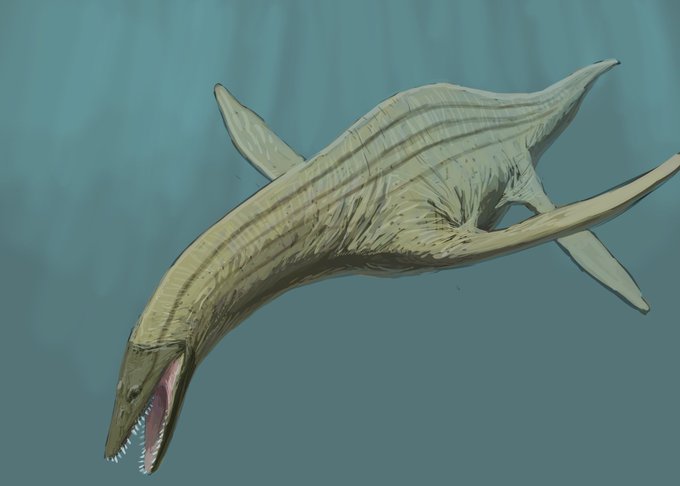


Results from the Birthday #paleostream!
Bobosaurus, Megacerops, Rhaeboceras and Choerosaurus.
#paleoart #plesiosaur #ammonite #synapsid #sciart #cephalopod #triassic #scicomm


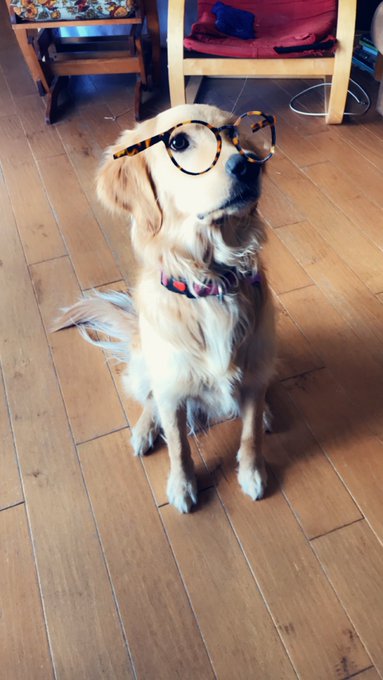

The world needs ALL the scicom it can get, from any avenue, misinformation wins if not. Our method is to get the facts across but also high quality adorable pictures and stories. I know some follow us for the puppy pics, but I know we are all learning together each day.
(2/3)


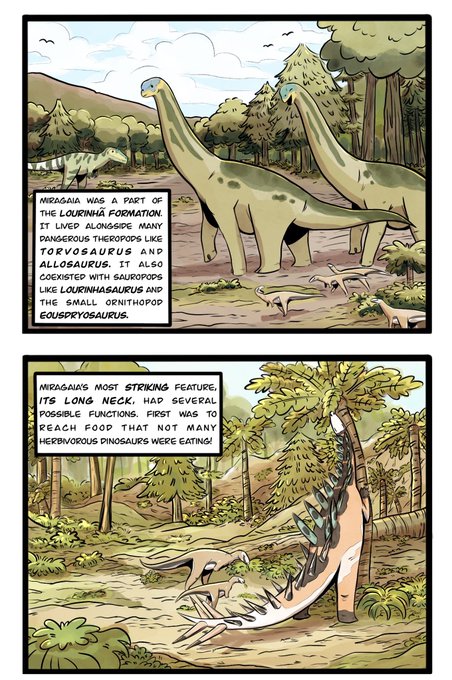


Another stylised beetle.
#sciart #beetle #insectdrawing #natureart #insect #red #scicomm #illustrationart #vectorart


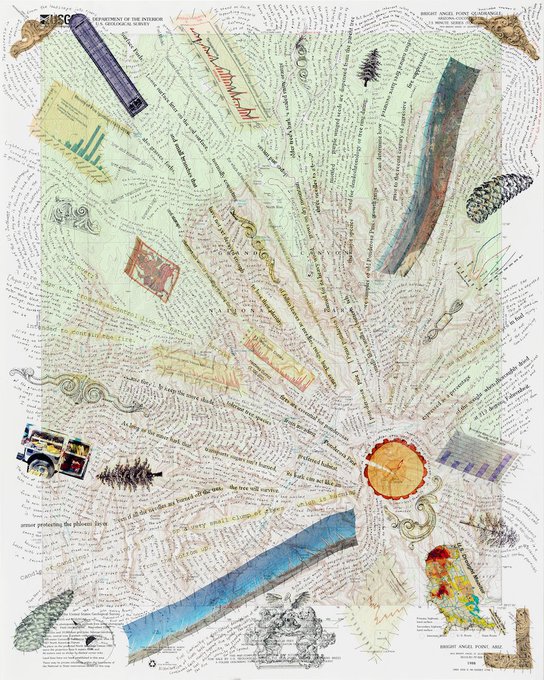

Happy @UNEP Earth Day! In support of this year's theme #GenerationRestoration - advocating for climate restoration in the next 10 years - this week we shared works that challenge how we understand & relate to the environment around us. We hope you've enjoyed.
#SciArt #SciComm


A unique salamander from Mexico - the #Axolotl! Strangely remain in their juvenile phase, never going through metamorphosis.
Project Animalia (365 days of #sciart #illustration)
Day 156: Axolotl (Ambystoma mexicanum)
#sciviz #wildlifeart #AnimalOfTheDay #wildlifeart #scicomm


Do you want to learn how to use audio to tell science stories? Then join us on 10 June for our next webinar on creating science music & #podcasting w/ @jacksonprobably & our own @EcologyOfShane of @AGU_Podcasts https://t.co/4NpCvgSdEp #Storytelling #SciComm @theAGU


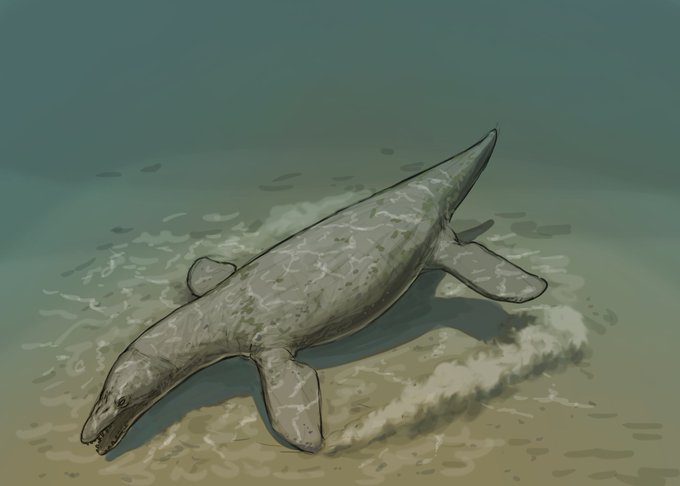

Results from the #paleostream
Sinornithosaurus, Edaphosaurus, Pachycostasaurus and Tenontosaurus.
#palaeoart #dinosaurs #synapsids #plesiosaur #ornithopod #sciart #scicomm #cretaceous #permian


#FluorescenceFriday is also #FatFriday🔬Here an adipocyte made from bone marrow🦴stem cells 🔴🟠Lipid droplets 🔵🟣FABP4 #cellfie #stemcell #STEM #microscopy #confocal #sciart #scicomm #WomenInSTEM #science #art #biology #bone #bonemarrow #orthotwitter #STEMed #explore #research

Green and yellow #beetles having a Friday chat.
#insectart #scicomm #sciart #insectdrawing #beetledrawing #vectorart #insects #illustrator

Do you want to learn how to use audio to tell science stories? Then join us on 10 June for our next webinar on creating science music & #podcasting w/ @jacksonprobably & our own @EcologyOfShane of @AGU_Podcasts https://t.co/awiyEOHkz1 #Storytelling #SciComm @theAGU

Having fun drawing beetles. #sciart #scicomm #illustration #insectart #DigitalArtist #beetledrawing #insects #beetle #vectorart #scientificillustrator


"you can keep expanding your knowledge.. staying on trend with what’s happening in the world."
@medical_vet_art Diogo Guerra
tells Vrinda Nair how his background in veterinary medicine influences his passion for science illustration.
https://t.co/yYzoIevPO3
#SciArt #SciComm