19thC,のTwitterイラスト検索結果。


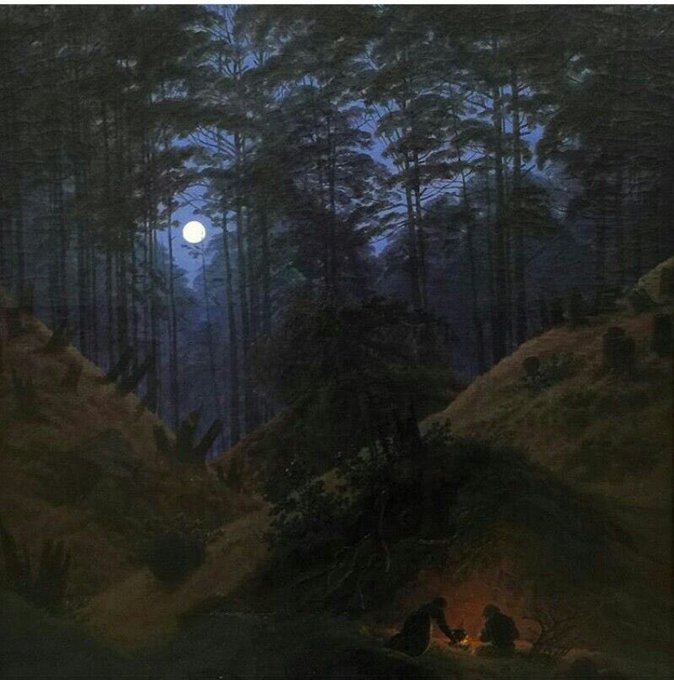
By the 19thc, Europe’s forests had been the site of richly dark tales & art. But they had also seen the real horrors of war. Following Romanticism, artists could, at last, be honest about it all & foreground the darkness itself. The thing with history is that it repeats…


If I had to pick one fairy tale I loved as a child, it was Bluebeard. Brought to life by Charles Perrault in 1697, & illustrated below by Doré & Dalziel in the 19thc, the tale’s themes of forbidden secrets & the perils of curiosity were as old as Pandora 😱🗝#FairyTaleTuesday


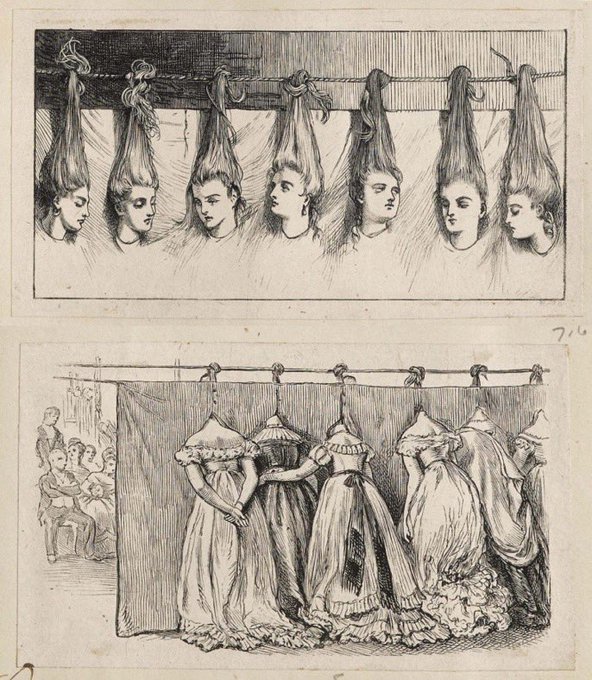
In Britain, since at least late 19thC, it was thought to be bad luck to mend clothes whilst they were still being worn. What form the ill fortune would take varied from being cursed never to be rich to having evil thought/spoken of the unlucky one #FolkloreThursday
🎨 AJ Murray


FAO #BAVS2019 attendees, we’d love some Victorianist papers at #BARSNASSR2021: Victorian responses to & remediations of Romanticism, Romanticism’s persistence through the 19thC, its transformation by & thru new technologies (fitting in with our theme of ‘New Romanticisms’)


"Mad tea parties" held in asylums in #19thC, and be attended for a fee; Alice in Wonderland plays with these ☕️ @frankendodo #bsls2017

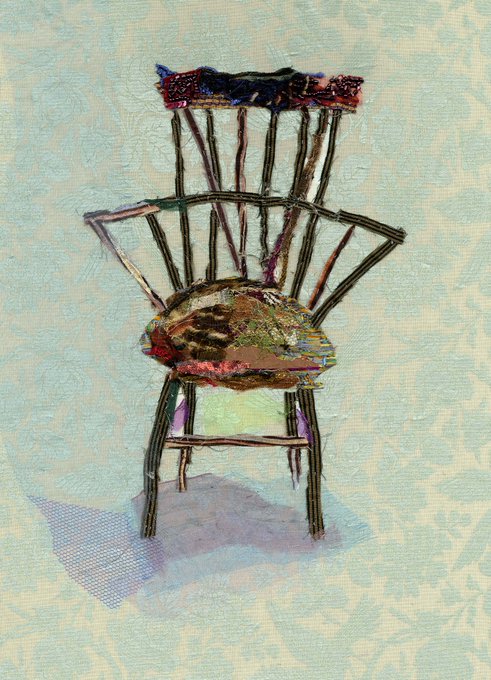


#TwitterFirstFriday Hope you like these hand-stitched chairs (18thC,19thC, 20thC) 17" x 21" @ArtGreats @JamesDayArt