MuseumAlphabetのTwitterイラスト検索結果。


Did you know that William Morris was an ecologist? He rejected the chemical aniline dyes, which were predominant during his time, and he emphasised on organic dyes, such as indigo for blue.
#WilliamMorris #MuseumAlphabet #Collection #ArtsandCrafts #Textiles #Colours


Mary Grace's presence isn't always felt as much as Emery's or Dorothy's at No. 7, as she spent more time outside of London due to ill health, but we do hold several handwritten manuscript copies of her #poetry in our collection.
#MuseumAlphabet #MuseumfromHome #Collection
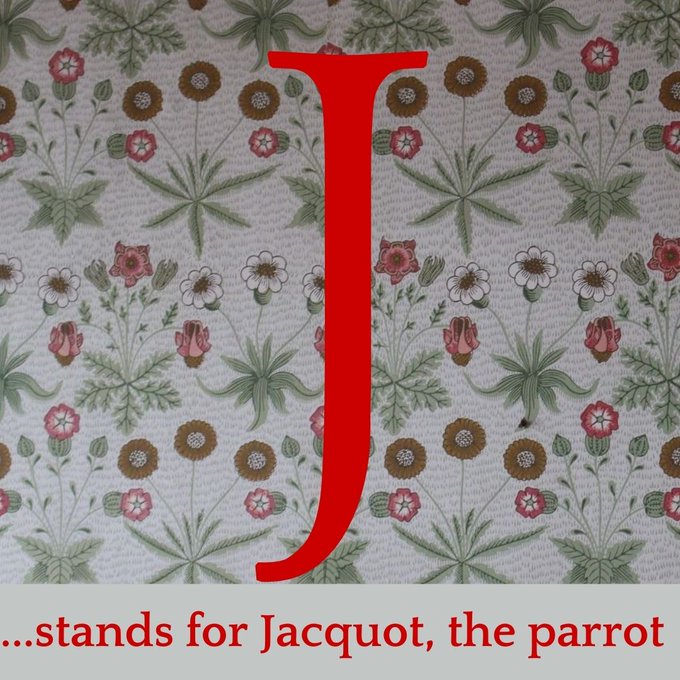
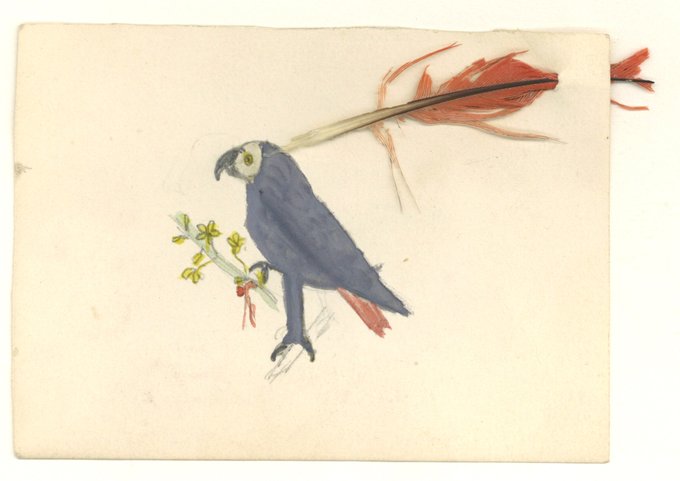
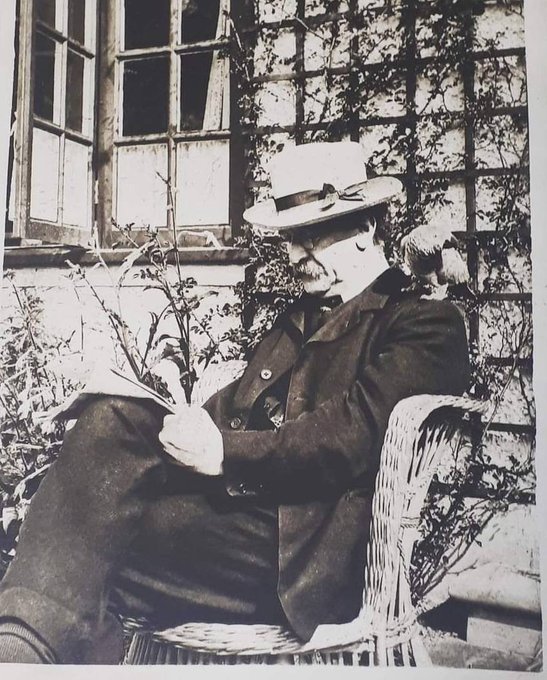
Birds were popular pets during the Victorian era. We believe this drawing of Jacquot might have been done by Dorothy Walker when she was a child.
#MuseumAlphabet #MuseumfromHome #Collection
#Pets #Parrots #19thCentury #Victorian #Drawings


Today's #MuseumAlphabet letter is R for Robot! Did you know the term robot comes from the Slavic languages robota, meaning forced labor? The word robot was first used to denote a fictional humanoid in the 1920’s play R.U.R. (Rossum's Universal Robots) by Czech writer Karel Čapek.


“C” is for CERAMIC. Our collection contains ~150 Native American ceramics from the late 1800s to the present, including pieces by masters whose works revived centuries-old traditions and inspired future generations of potters. #MuseumAlphabet #MuseumFromHome #VirtualVisit