ediacaranのTwitterイラスト検索結果。


@swosig On my way to Australia in order to explore and enjoy the Ediacaran.


Artwork illustrating the research that unravels the skeleton structure of Corumbella werneri, a little animal that lived in Brazil almost 600 million years ago, in the Ediacaran Period. It had a mineralized skeleton composed of rows of imbricated plates, like roof tiles.


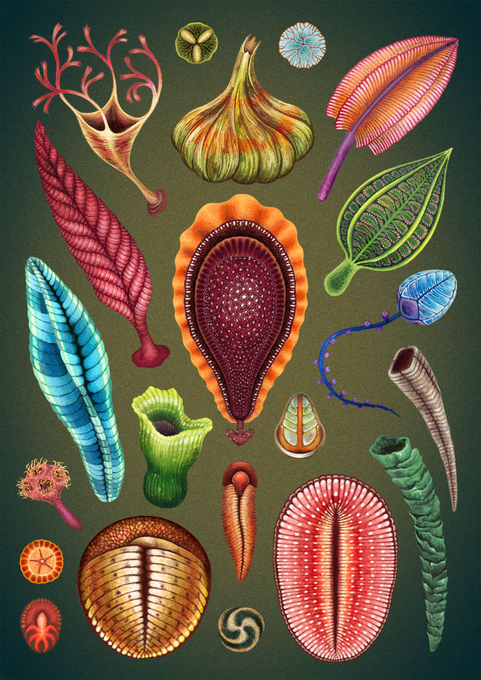
Before bilateral symmetry evolved, the sea floor was dominated by strange animals: some had 3-lobed symmetry, glide symmetry or no symmetry at all. They could look like mats, tubes or toroids, and some resembled modern plants. Welcome to the Ediacaran period.


PAPER ALERT📑📢! Here is @munpaleobiology paleobiological/taphonomic reinterpretation of one of the most iconic Ediacaran fossils: Charniodiscus concentricus from @CharnwoodGeo! The same genus can be found in @DiscoveryGEONL and @LegendaryCoasts!
https://t.co/Y9x50LEBnw


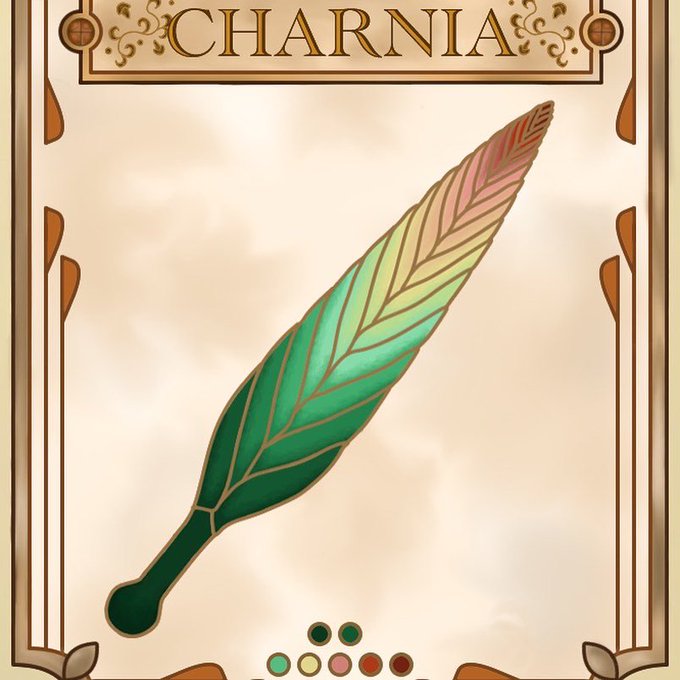

Ediacaran biota series #1 : Arkarua (a elder echinoderm), Charnia (a plant-like animal), Pomoria (that looks like a ses anemone). #paleoart #paleontology #sciart

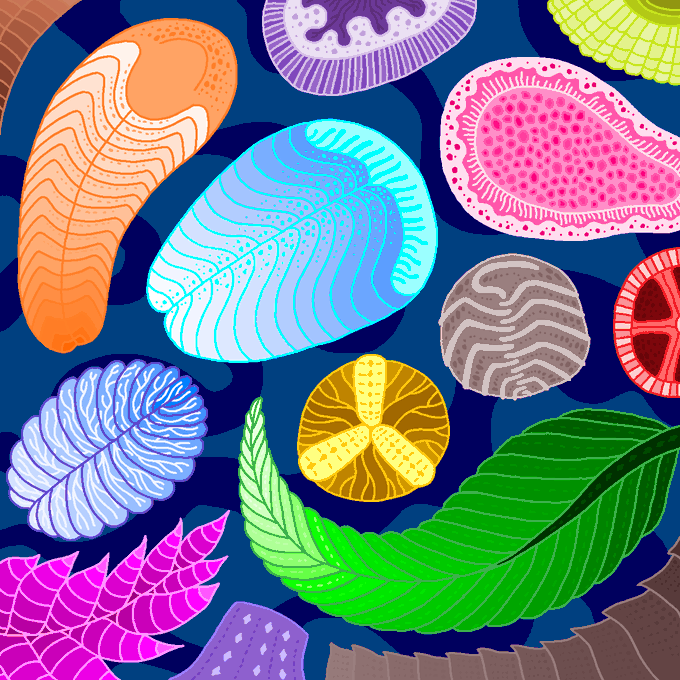
Some fun organisms from the Ediacaran period! I just think they are neat!
Vaguely based on fossils and restoration images, but not scientifically accurate.


The Ediacaran Period hosted many new wild and wonderful animals such as Yorgia, a disc-like organism from the extinct phylum Proarticulata, and Kimberella, a slug-like bilaterian.
https://t.co/slgBc1rH8e
Illustration by @AndreyAtuchin
#paleoart #SciArt


Delighted that our new study on how environmental setting influences #Ediacaran ecology and early animal evolution is now out https://t.co/3MIlx0lqFC


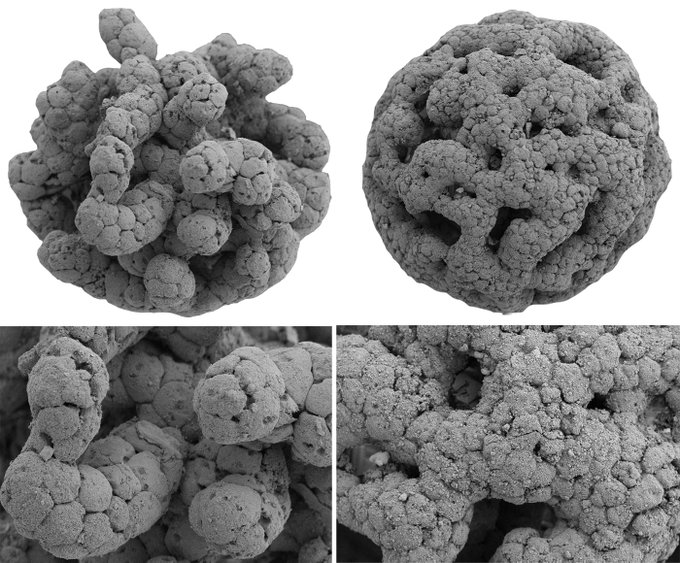
Our latest: Early Ediacaran Caveasphaera foreshadows the evolutionary origin of animal-like embryology https://t.co/xjbMbDtNm5, thanks to Kelly, @YinZjyin John, Stefan, Maoyan and Fede @BristolPalaeo
>4 Tb of accompanying open data fun at https://t.co/xzgNQmhEGv


Ediacaran girl #女の子 #少女 #いきもの #古生物 #カラフル #オリジナル #イラスト #illustration https://t.co/ZWTsc0PH7B