LondonSE4 💙さんのイラストまとめ
@LondonSE4Follow @LondonSE4さんをフォローする
Tweets about Georgian & Napoleonic History et al. A Brockley-ite since 2003.
/
@[email protected]
フォロー数:2203 フォロワー数:2455


#OnThisDay 1805, the meeting between Francis II and Napoleon is organised at Sarutschitz, in Moravia. "I receive you in the only palace I have lived in these past two months”. (Painting by Antoine-Jean Gros, 1812).
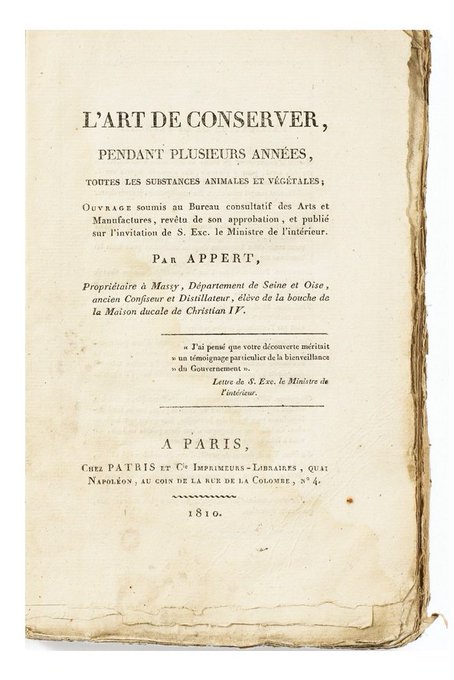
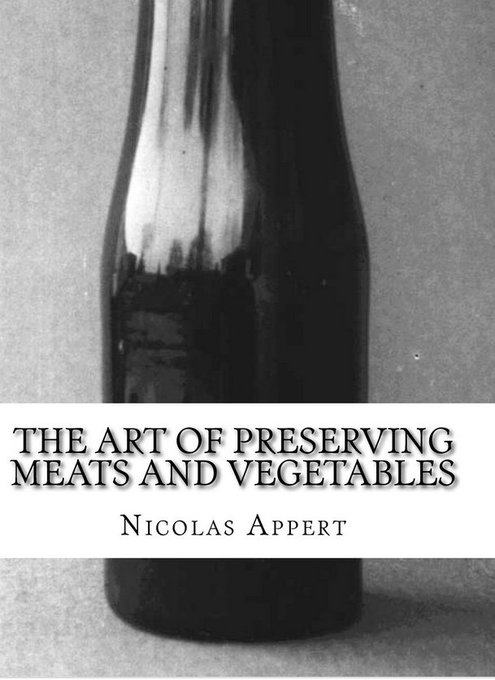
In June 1810, sponsored by the Bureau of Arts and Manufactures of the Ministry of the Interior, Appert published a revolutionary treatise in Paris: "L'Art de conserver pendant plusieurs années toutes les substances animales et végétales." The book was printed in 6000 copies.


French inventor and father of canning Nicolas Appert was born #OnThisDay 1749. He was the first to develop a method of preserving food by subjecting it to heat in airtight, sterile containers (glass bottles and then tin cans). This process became known as Appertisation.

@CoffeeBookGirl What a magnificent effort must have been to go around in high heels, wearing corsets, layers of silk and lace plus those monumental coiffures!
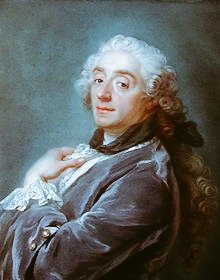

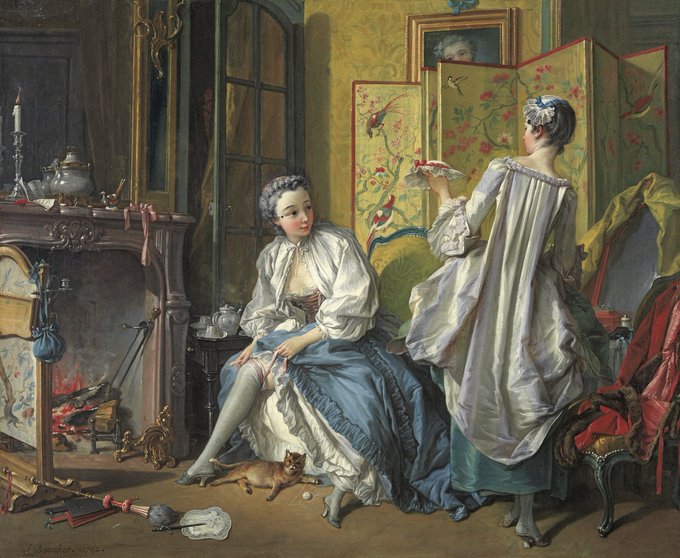
French painter in the #Rococo style François Boucher was born #OnThisDay 1703. Nominated first painter to the king in 1765, Boucher received numerous commissions both from Louis XV and Madame de Pompadour to whom he owed most of his success.


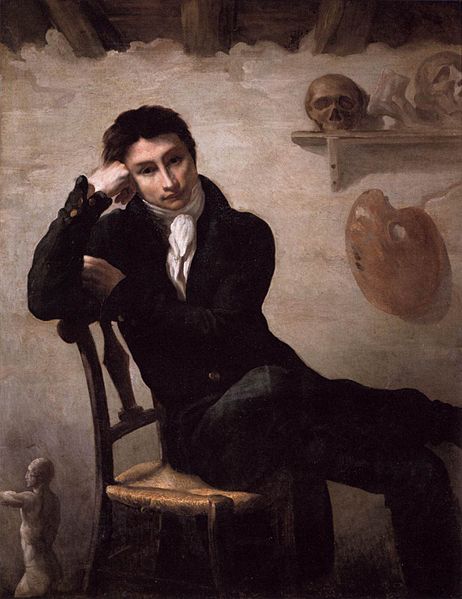
French painter, sculptor, designer and lithographer Théodore Géricault was born #OnThisDay 1791 in Rouen. A pioneer of Romanticism, Géricault was a passionate horseman, had a flamboyant personality and died at 33 after a riding accident.
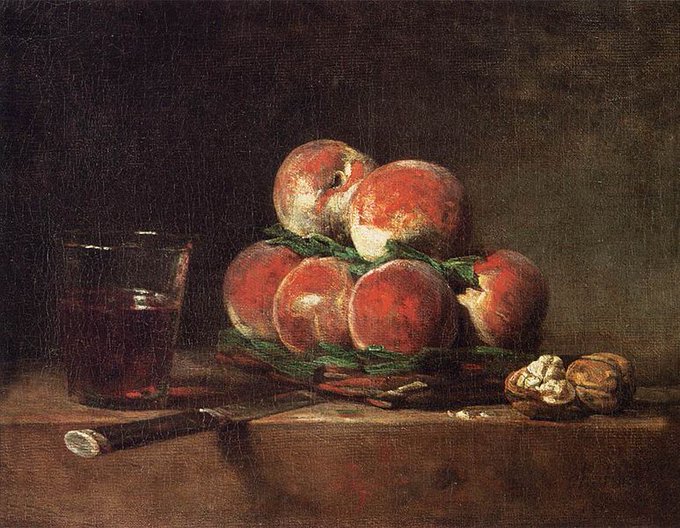

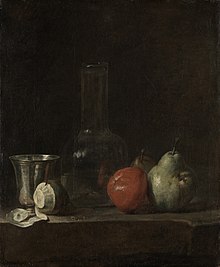

#OnThisDay 1728 Jean Siméon Chardin is admitted to the Royal Academy of Painting and Sculpture as a painter of still lifes...


Botanist, entomologist and botanical illustrator Georg Dionysius #Ehret died #OnThisDay 1770. Engravings after his botanical paintings were reproduced onto Chelsea porcelain.


Italian painter and engraver Giovanni Fattori was born #OnThisDay 1825. He is considered one of the greatest Italian painters of the 19th century and one of the main exponents of the #Macchiaioli movement.