
Dr Robert Bohanさんのイラストまとめ
@RobertBohanFollow @RobertBohanさんをフォローする
フォロー数:247965 フォロワー数:294337


Girls (1933), Red Navy Swimmers (1933), Children (1933) & Behind the Curtain (1933). There’s been argument over Deyneka’s sexuality. It’s clear from his work that he was interested in showing both the male & female nude with sensuality & eroticism


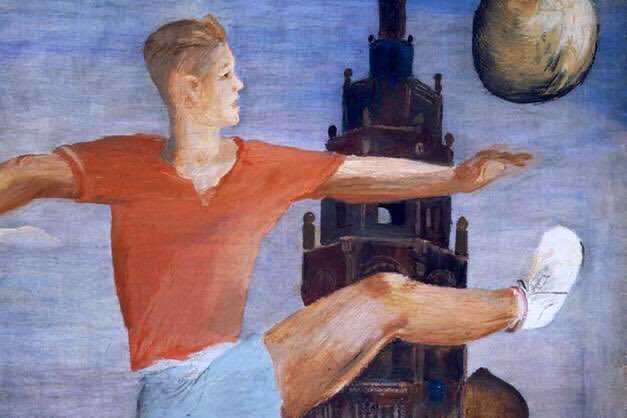

The Sleeping Boy with Cornflowers (1932), Noon (1932), the Football Player (1932) & the Boys (1932) show different aspects of his art. The Boy is a tender depiction of possibility & placidity which contrasts with the vigour & dynamics of his Soviet youth.
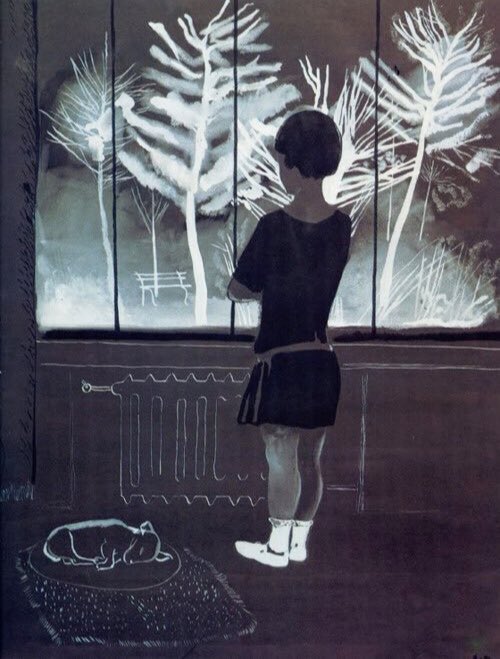
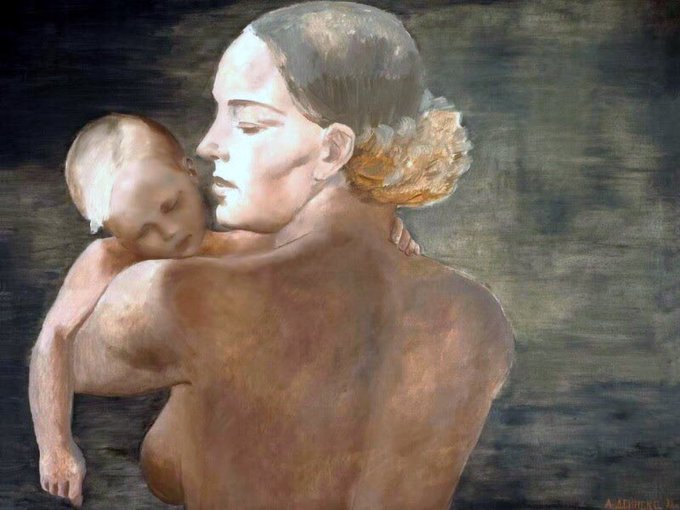


Girl at the Window, Winter (1931), Mother (1932), Soccer Game (1932) & Gymnasts (1932) are fine examples of his experimentation with dark backgrounds to highlight his subjects. This lighting approach allowed him to focus on silhouette & a more exciting image


Running (1931), at the Press (1931), Dancers (1929) & Self-portrait (c1920-30) indicate his lifetime concern with speed, power, youth & new ideas. This was part of the zeitgeist of the time from vorticists to futurists. Man as machine.


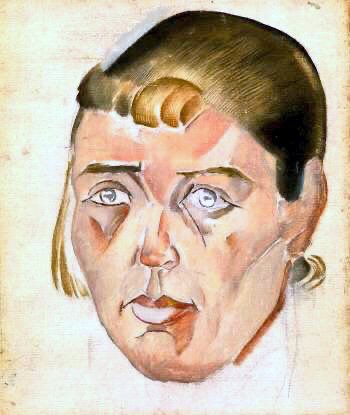

His early masterpiece was Footballers (1924) where dynamic figures recede into & extend out of the plane of the canvas through colour & where the idea is to develop the depiction most where the players focus is aligned. Portraits (c1920s) show his modern approach




Thread: Botticelli (c1445-1510) was one of the great masters of the Early Renaissance. His paintings have been treasured for their serene beauty, their lyrical lines & distilled composition. Let’s take a look at his work. I find his approach inspiring!


In 1746 Tom made a great match & married Margaret, the daughter of a duke. She brought some stability to a man who liked to have fun & gave him 2 daughters. Here’s an early masterpiece of Mr & Mrs Andrews (1748-9), the Dutch inspired Cornard Wood (1746-7) & his family (c1748)

Thread: Thomas Gainsborough (1727-88) was one of England’s greatest painters as well as a populariser of the art of landscape. He was a character in every sense. Here is a picture of his beloved daughters. He was a genius - let’s see why!