Dr Robert Bohanさんのイラストまとめ
@RobertBohanFollow @RobertBohanさんをフォローする
フォロー数:247965 フォロワー数:294337


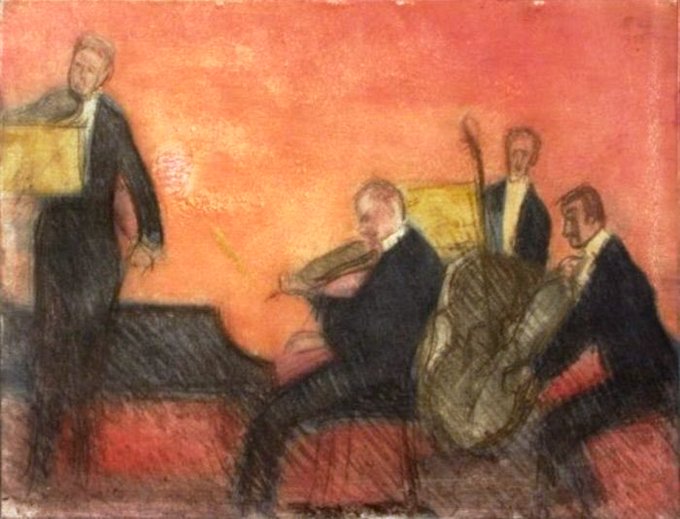
From 1901 he stayed regularly at Suursaari Island which inspired several of his greatest works including Boys on the Shore (1910). The Artist’s Mother (1904), Emmy Frosterus (1909) & Music (1906)


His choice of subject matter varied widely but is marked by an authentic interest in his sitters & environment. Head (1902), Naples (1905), Interior (1905) & Arne Cederholm with a Model (1905). You sense he is amused by Arne’s unrequited interest


Enckell’s depiction of children was based on authentic explorations of their psychology. Examples of that are his Primary School (1899) & Golden Age (1904). Gethsemane (1902) is a drawing of striking power & Cliffs (1902) a magnificent landscape
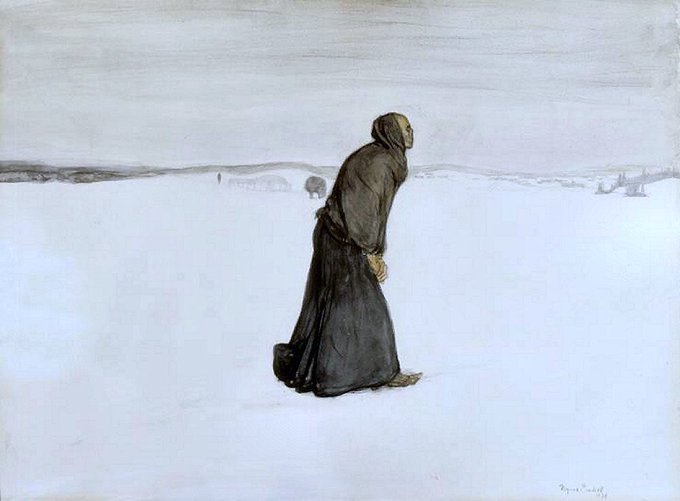

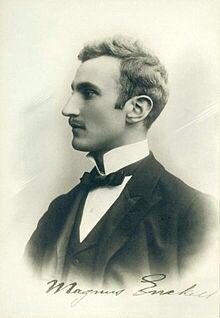
Symbolism is apparent in his depiction of an old woman as herald of death & love as a subject of worship. Death’s Walk (1896), The Cult of Venus (1895). Photograph of Enckell. Enckell was familiar with Munch’s work as well as that of other European symbolists


His idea of symbolism was influenced by the occult & mysticism, popular at the time. Boy with Skull (1893), Two Boys (1893) & Head (1894). Youngsters symbolised life & possibility & skulls, death. He was inspired by French artists’ similar naked images (Degas, 1860)


Thread: Magnus Enckell (1870-1925) was a Finnish symbolist painter with a deep interest in spirituality & beauty. His work was surprisingly frank in its sensuality & captured the cultural aesthetic of his native Finland.

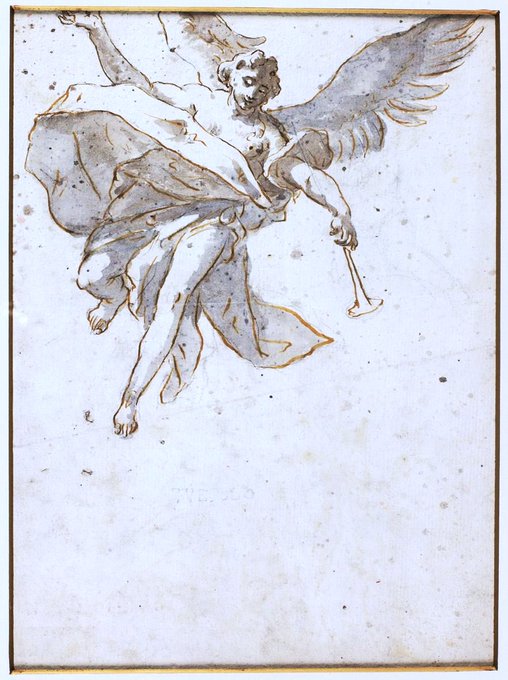
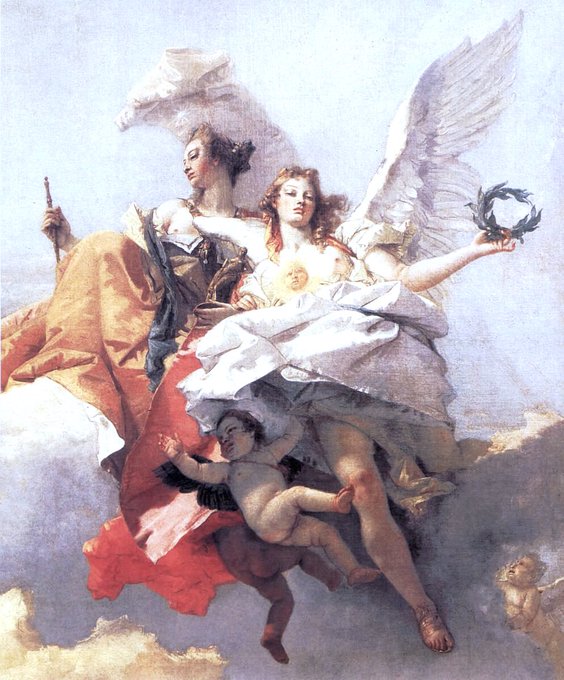
Tiepelo - the greatest decorative artist of the 18th C. His angels are truly divine. His command of the brush when drawing is awe inspiring to artists today!


Caravaggio (1571-1610) - His angels are half heavenly being, half sensual - the sacred & the profane


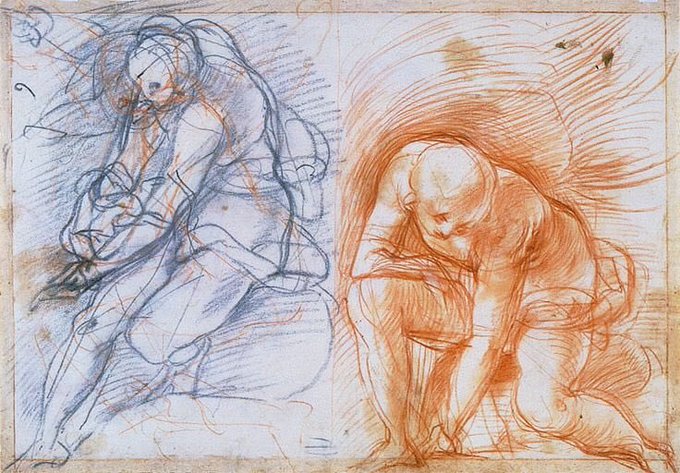
Pontormo (1494-1557) - a gifted draughtsman his angels have a strange & aerial impressiveness that is mesmerically attractive


El Greco (1541-1614) - a transcendental artist, his angels have a hallucinatory genius