Dr Robert Bohanさんのイラストまとめ
@RobertBohanFollow @RobertBohanさんをフォローする
フォロー数:247965 フォロワー数:294337


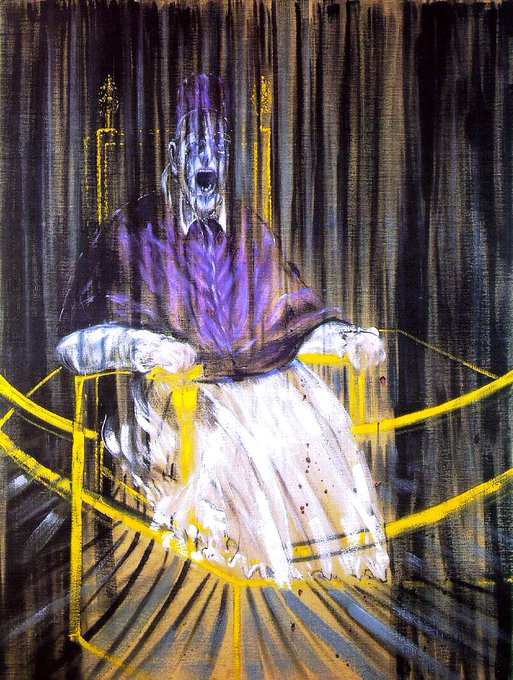
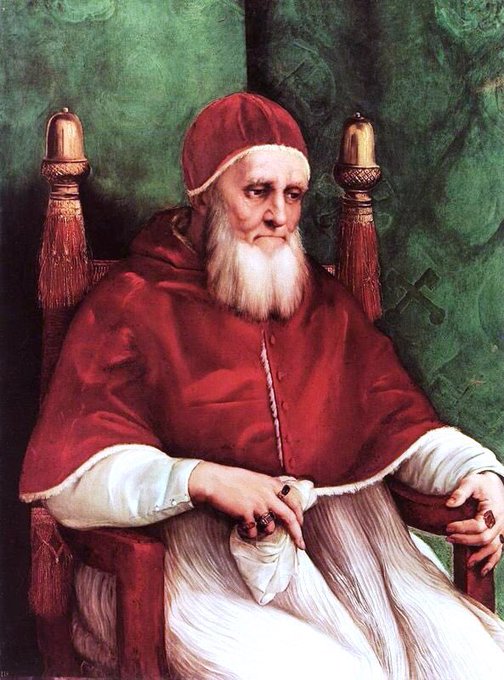
Velázquez’s painting inspired the Screaming Popes by Francis Bacon. Bacon deconstructs the confidence & spirituality of man & the power of religion via the portrait. To see just how powerful Velázquez’s image is, compare it to Raphael’s. One is paint, one is life!


Epstein’s image of Jesus is astonishing in its scale, the idea of using a primitive prototype & its use of volume. George Bernard Shaw (1934), Ecce Homo (1935), Dahlias (c1936) & Pola Givenchy (c1937)


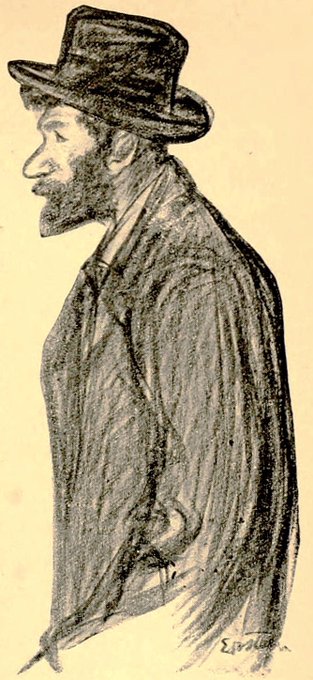
Born in NYC to Polish Jewish refugees, he was ill as a child & devoted himself to art. He joined the Art Students League in 1900. His first major works were illustrations for Spirit of the Ghetto (1902) before moving to Paris

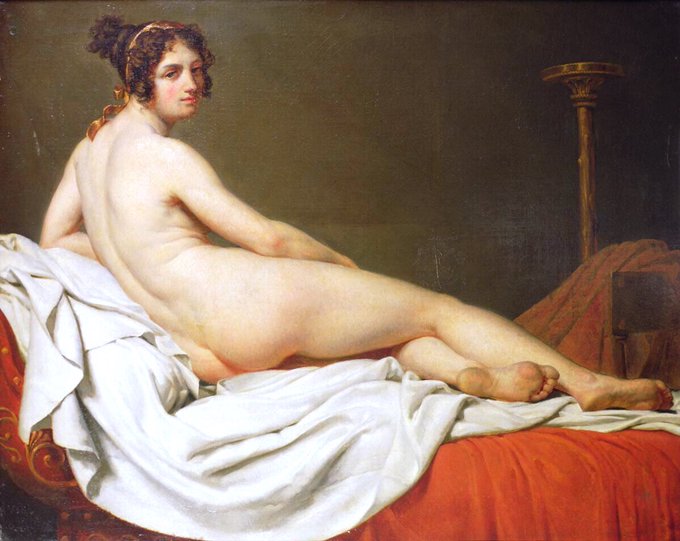
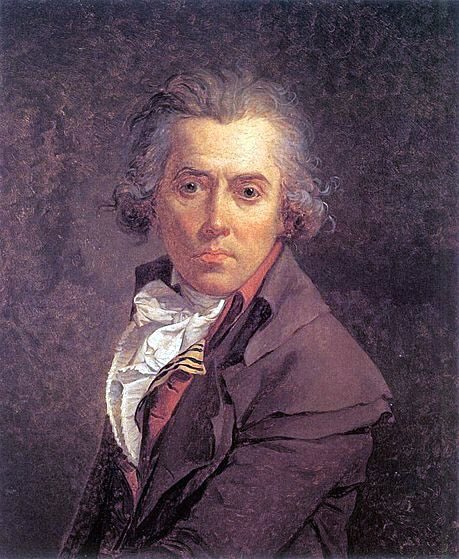
David was one of the greatest artists in Western European history. He captured & shaped the image of revolution as well as the French ideal of Female beauty. This is best exemplified by his woman of the people (1795) & his female nude (c1810). Self-portrait (1791)


His images of Napoleon (1801-5) were the ultimate propaganda of the diminutive General on his march to being Emperor of France & conqueror of Europe. Placing Boney on a horse shows his knowledge of Van Dyck & Titian’s royal portraits of short rulers


One of David’s first great works is an oil sketch called the Funeral of Patroclus (1778-9). It was sent from Rome to Paris to show the effects of his study there. It is a magnificent work showing his earliest Neoclassical work and in .@NGIreland


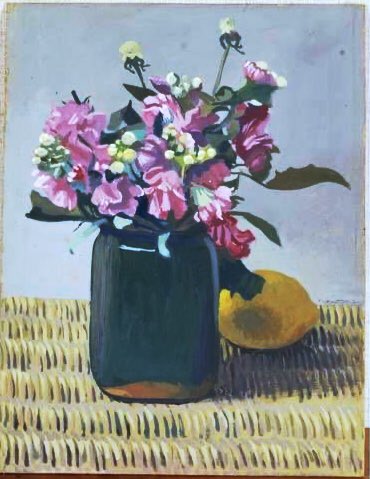

Sunset (1925) was his final painting. Marigolds & Tangerines (1924), A Bouquet of Flowers & a Lemon (1924) & the Abandoned Book (1924). Vallotton’s work is beautiful, moving & important - search it out!
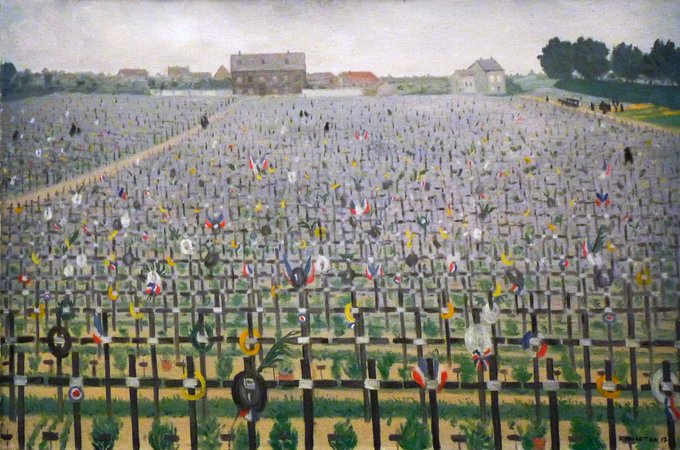


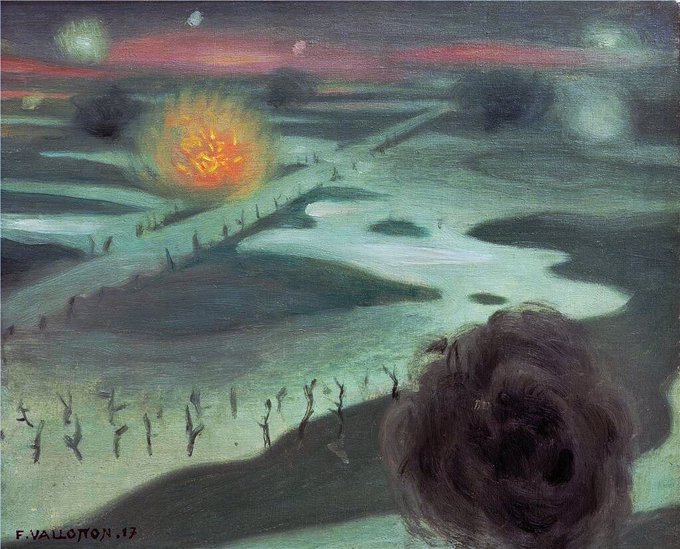
Vallotton toured the Champagne Front in 1917 making sketches & creating a group of paintings related to the war. Le Cimetière Militaire de Châlons (1917), Verdun (1916), The Stabbed Man (1916) & L’Yser Study (1917)


Enckell integrated the post-Impressionist style into his Finnish vision, creating atmospheric & exciting images. Awakening Faun (1914), By the Window (1919), Flowers (1920) & Self-Portrait (1915)


He was chair of the Finnish Art Association (1915-8) his art shimmered with light & colour at this time. Anni Largerborg (1914), Nude (1919), Youth (1917), Mies Ja Joutsen (1918). The image of a man with a swan subverts the Legend of Leda