
Dr Robert Bohanさんのイラストまとめ
@RobertBohanFollow @RobertBohanさんをフォローする
フォロー数:247965 フォロワー数:294337


From 1922-35 Wood lived with his mother in Cedar Rapids. Woman with Plant {Mother-in-Law’s Tongue} (1929), Patchwork Quilt (1929), Lazy Afternoon (c1920s) & Urns (1924). His eyes were opened to authentic American subjects inspired by his reading & learning.
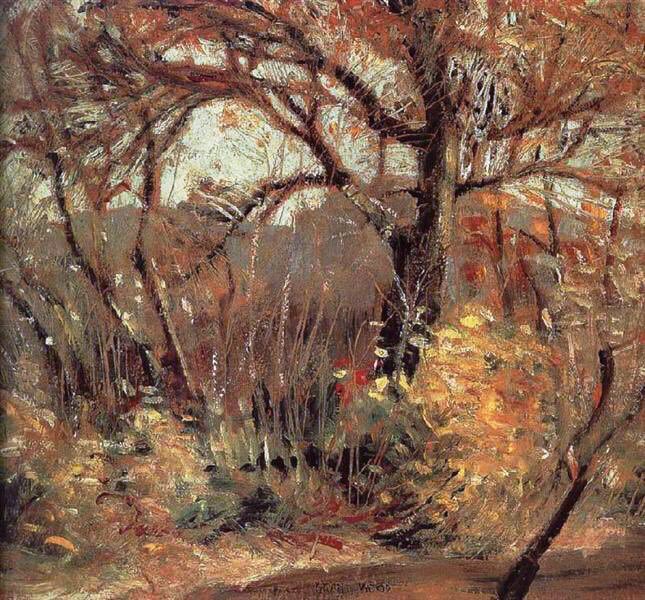

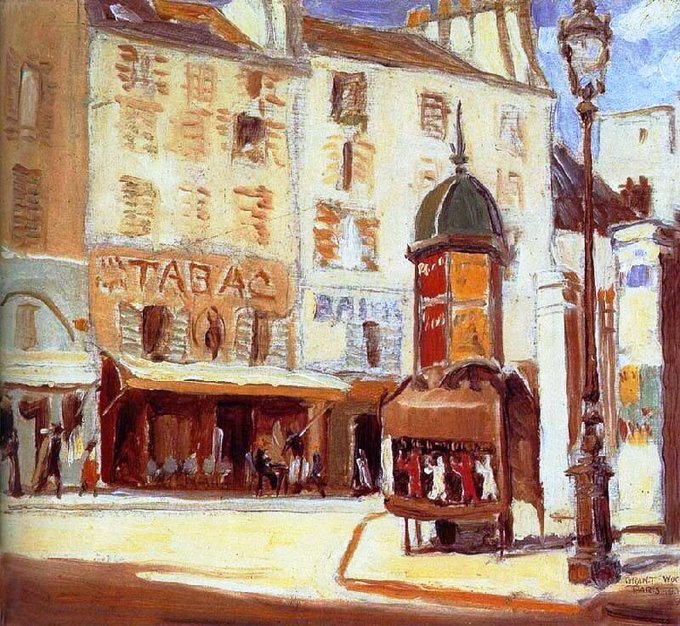

Born in Iowa he studied at the The Handicraft Guild in Minneapolis (1910). He returned to Iowa to teach in 1911 & in 1913 he enrolled at the School of the Art Institute of Chicago . The Landscape of Autumn (1919), The Shaking Poplar (1917), Paris Street (1920) & Conduit (1920)


Thread: Here’s a group of my original drawings that are available in a 2 for 1 deal until 4th October.
Each one is unique & celebrates wildlife & the power of the subconscious through symbolism. Details in thread


@johnmurry I had to use software to bring them back to their original colours as many had browned with age. It reveals how exciting the colours were originally 😉
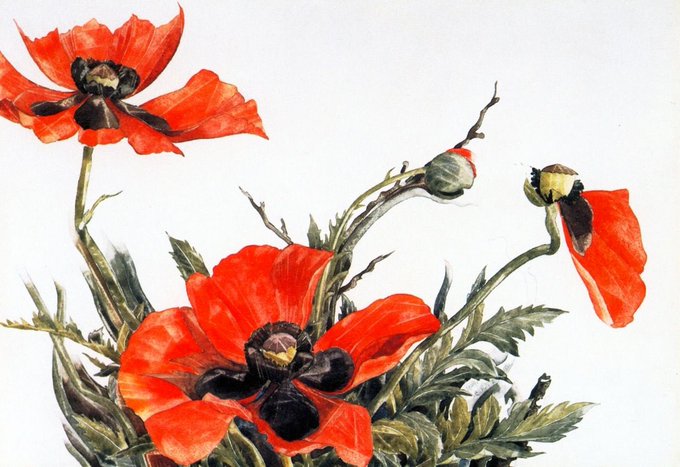


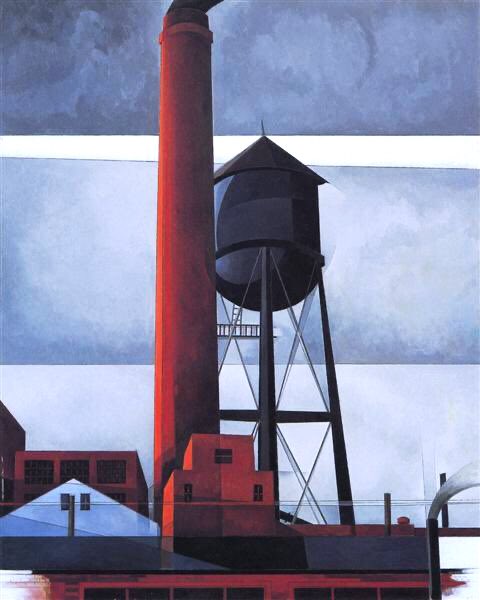
Demuth’s botanical watercolours are some of the finest of the twentieth century. Red Poppies (1929), Pears (1929), Distinguished Air (1930) & Chimney & Water Tower (1931)


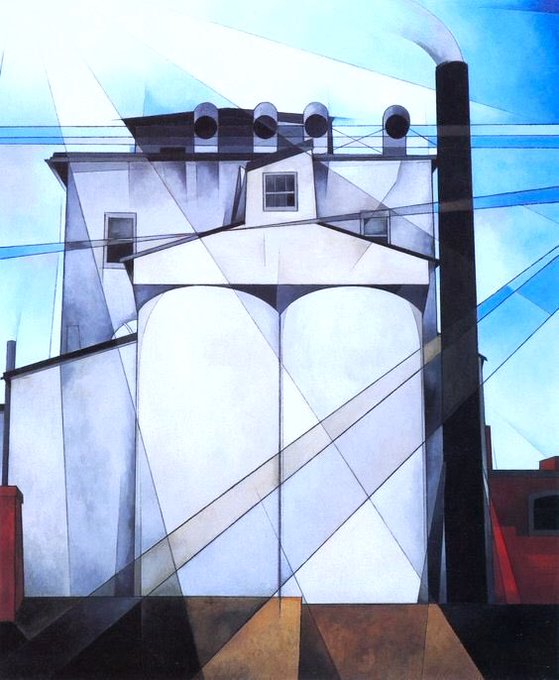

He instituted a new idea in creating shapes & forms to paint unusual portraits of his friends - including his masterpiece- Figure 5. Roses (1926), Calla Lilies (1926), My Egypt (1927), I Saw the Figure 5 in Gold (1928)
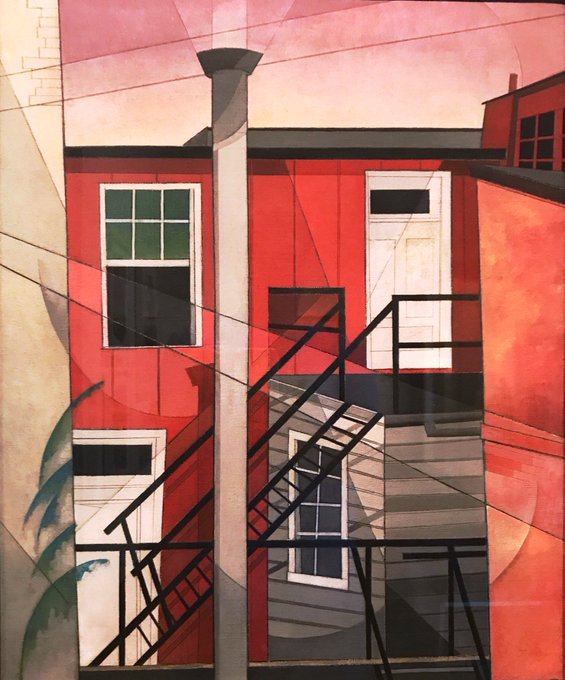
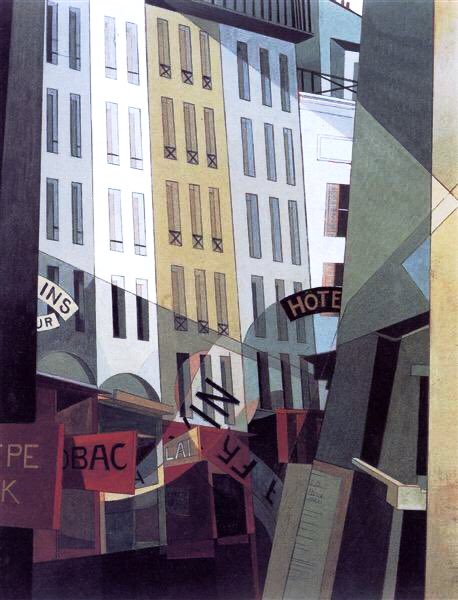


Demuth captured the vibe of the Roaring Twenties. Modern Conveniences (1921), Rue du Singe Qui Pêche (1921), Eggplant (1922-3), Dove (1924)


Demuth integrated the styles he had experienced in France with American realism to create unique & characteristic images of Pennsylvania. Sailboats (1919), Stairs (1920), Lancaster (1920) & the Tower (1920)


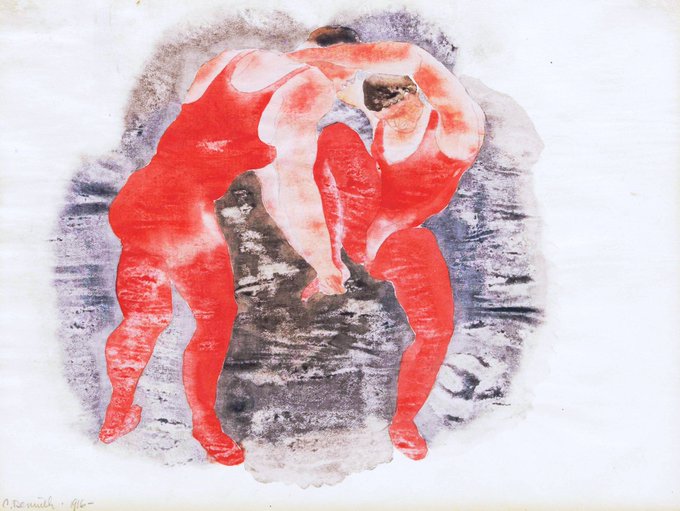
Demuth also created a series where he depicted the social life around the time of day. Dancer with Chorus (1918), Eight O Clock (1917) & Acrobats (1916)


On his return from Paris he began a series of watercolours that are highly respected for their beauty. Bicycle Acrobats (1917), Sail: In Two Movements (1919), Dancing Sailors (1918) & Two Tumblers (1917)