Dr Robert Bohanさんのイラストまとめ
@RobertBohanFollow @RobertBohanさんをフォローする
フォロー数:247965 フォロワー数:294337


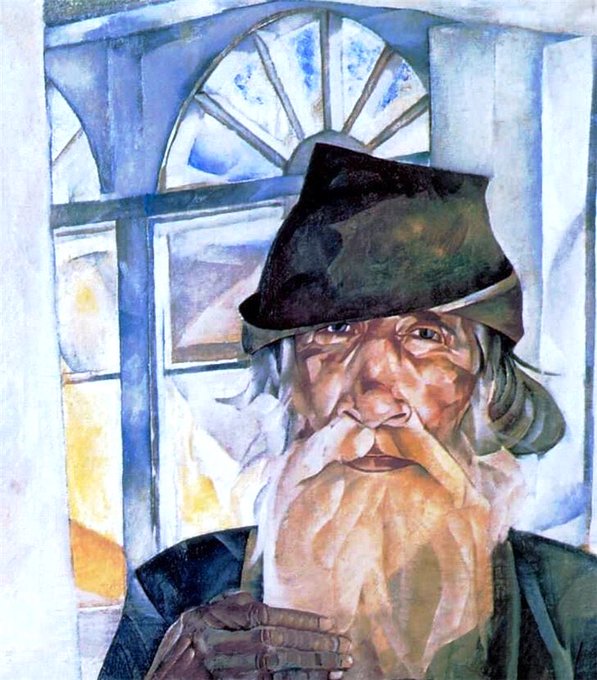


Grigoriev was unable to be ideologically political in that he was his own man, his subject was truth as he saw it. What moved him was personality, not ideology. Vsevolod Meyerhold (1916), Old Man (nd), Anna Grilikhes (1917) & Sergei Rachmaninov (nd)


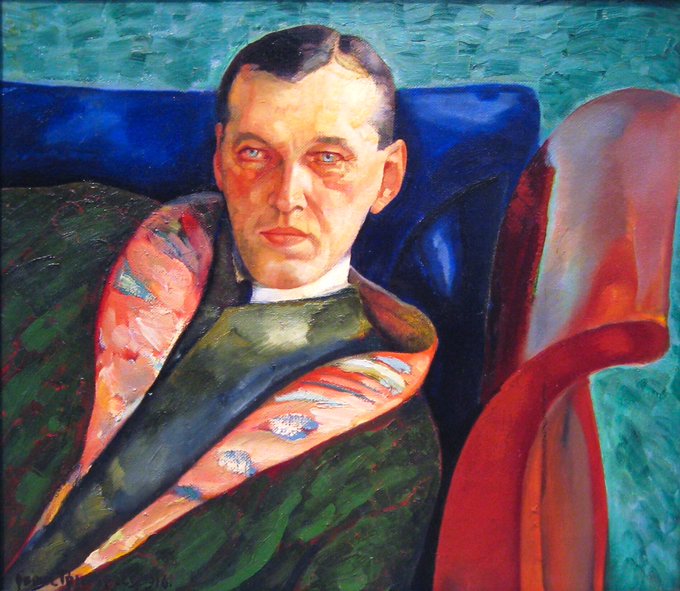
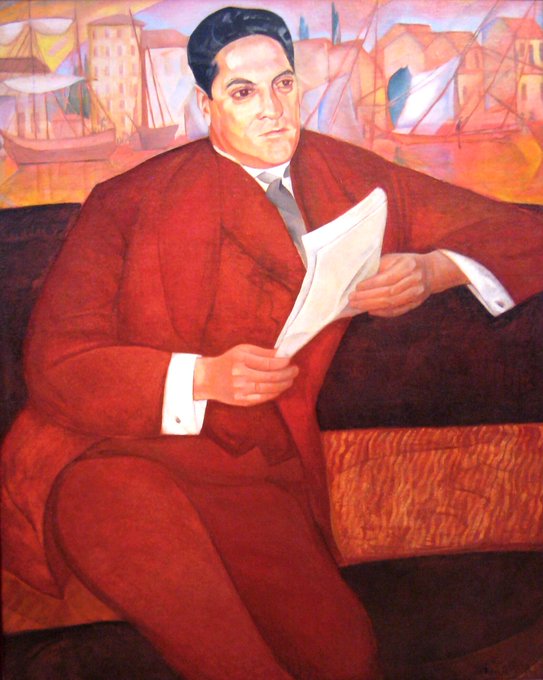
He was part of the arts scene in St Petersburg after graduating. In a Paris Café (1914), Self-Portrait (nd), Head (1916) & Figure (1917). He chose to paint in a realist manner but there is a strong feeling of surrealism from his work.


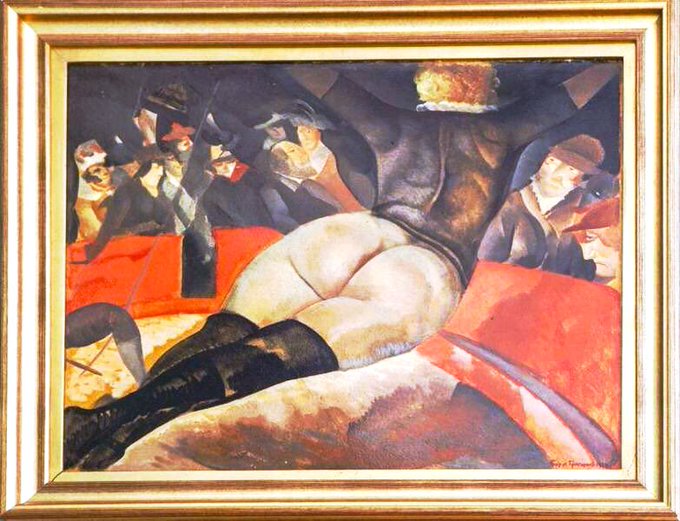
Born in Rybinsk, to a Swedish mother & Russian father, he studied at the Stroganov Art School (1903-7). He then went on to the Imperial art school in St Petersburg (1907-12). He was exhibiting from 1909. Self-Portrait (1915), The Artist’s Studio (1908) & In the Circus (1908)


Thread: Boris Grigoriev (1886-1939) was born on this day. He was a Russian social realist painter who created unique & psychologically intense portraits. He is hardly known today but his art is fascinating. Let’s take a look!
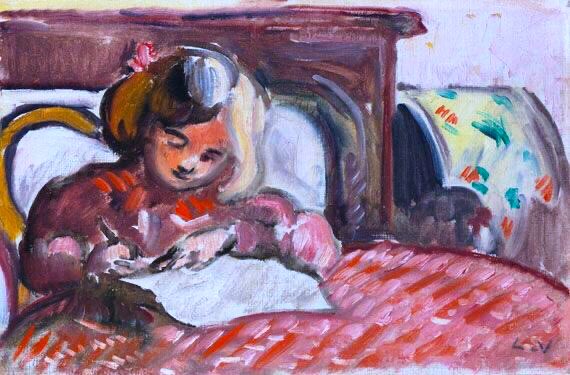
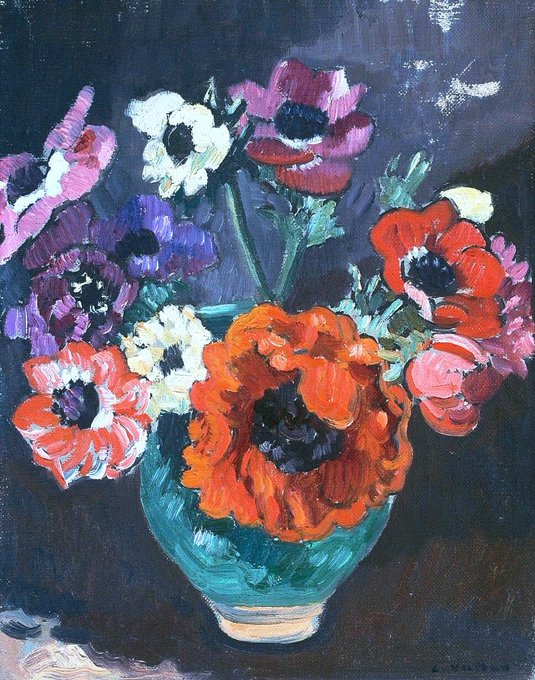
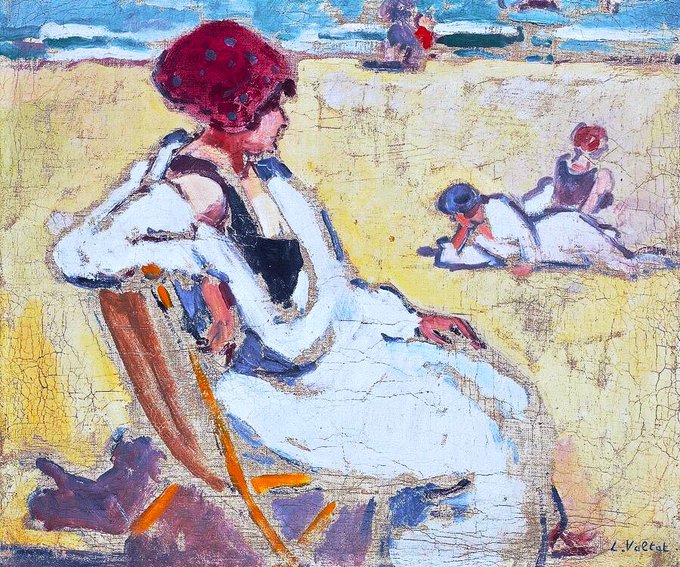
From 1914 he worked in Paris, Rouen & Versailles. Child Drawing (1914), Anemones in a Green Vase (1915) & White Pegnoir (1916). His work sings with joy & it’s clear that painting soothed him & helped him forget how ill he was.
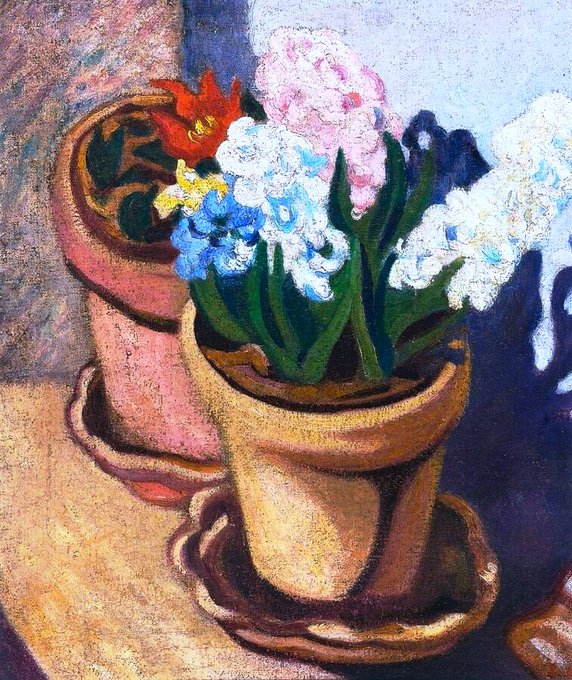


The theme through his work was colour & this would inspire the Fauves such as Matisse & Derain. Two Flower Pots (1909), Basket of Fruit (c1910) & Flowers (1913)
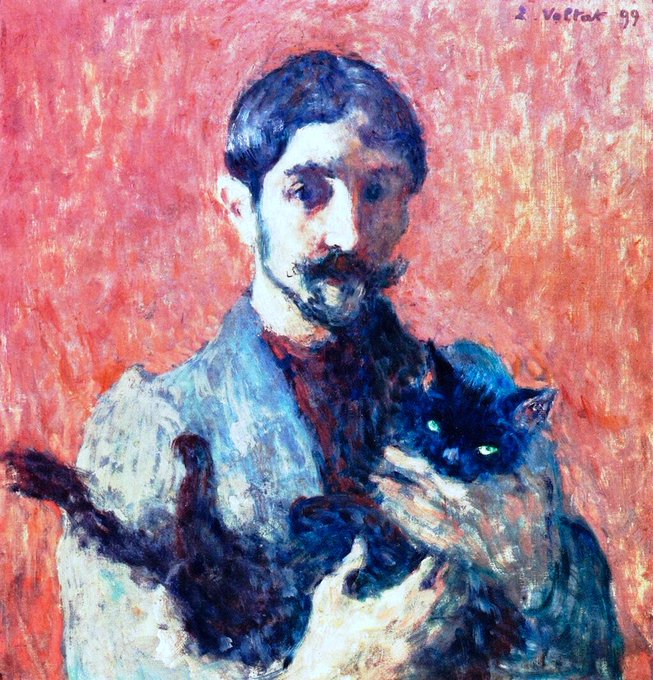


The landscapes which inspired him most were cliffs. However, probably due to his health, he has also left us many fine flower studies. Self-Portrait with Cat (1899), Buttercups (1900) & By the Sea in Southern France (c1900).


He suffered from ill-health, as he had TB. This had the effect that he would spend his winters at the Mediterranean. He would visit Renoir & collaborate with him, there. Figures by the River (1895), The Madeleine-Bastille Omnibus (1895) & Nude on a Green Armchair (c1895)
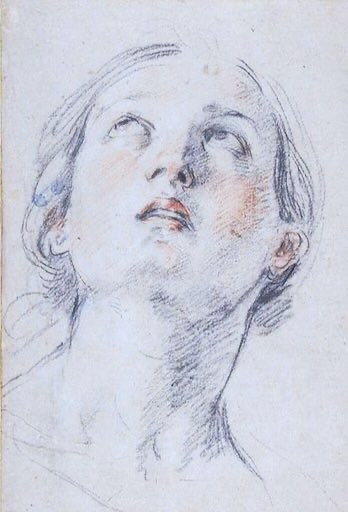

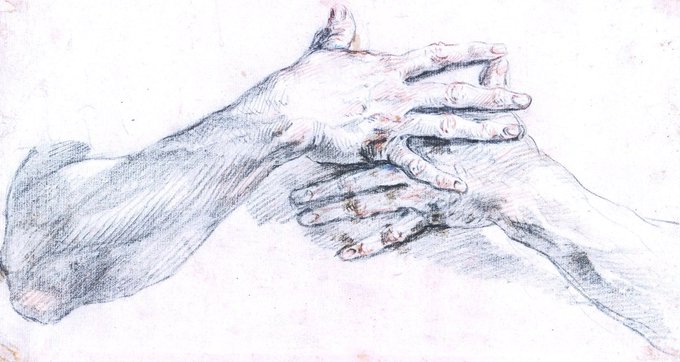
Where Reni has always been appreciated is in his drawings which have always been popular amongst the cognoscenti. If you get the chance to study work by him, take it! Reni deserves to be valued more than just a painter of religious themes
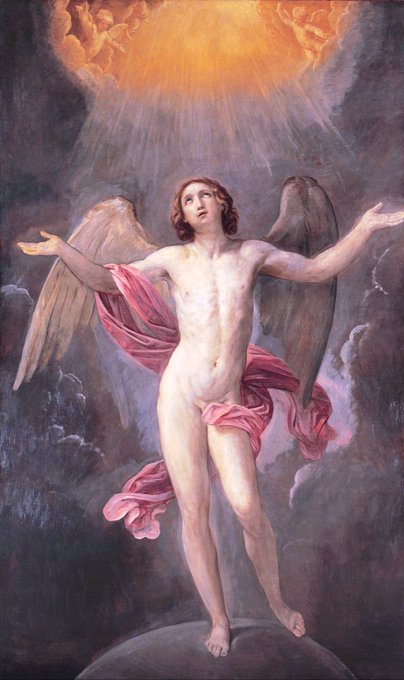
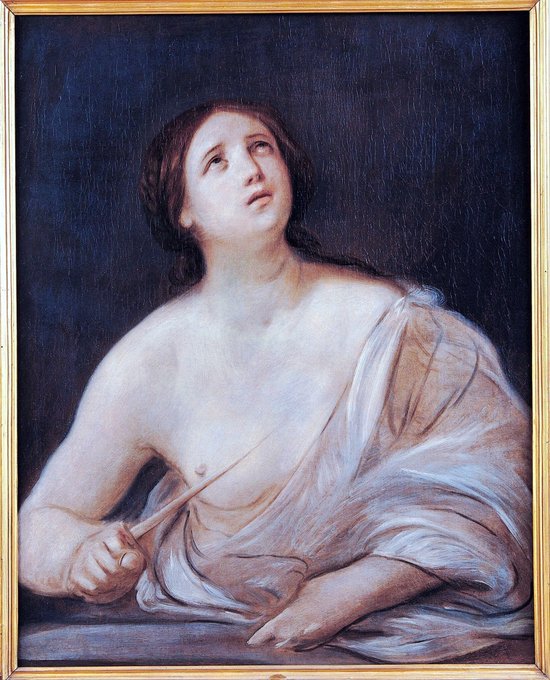
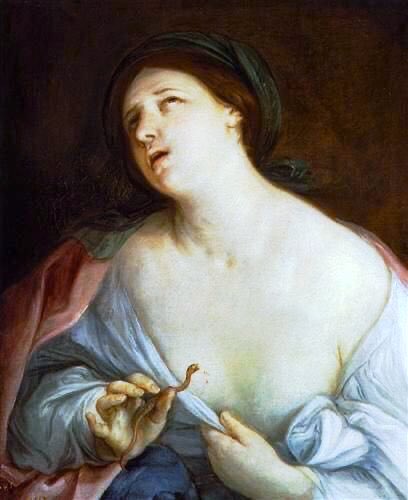
The 1640s saw a loosening of Reni’s brushwork & a more spiritual tone to his work where expression is heightened to the divine. Blessed Soul (1640-2) combines metaphysics, male nudity & emotion. Lucretia (1640-2) & Cleopatra (1640) show strong women in charge