
Sarah Blickさんのイラストまとめ
@SarahBlick3Follow @SarahBlick3さんをフォローする
フォロー数:2302 フォロワー数:2977


I've read a lot about magnificence and how it was expected of the nobility. Fine houses, dress, food, etc. not only distinguished their role in society, it provided employment for others. Their charity was expected to be just as extravagant.
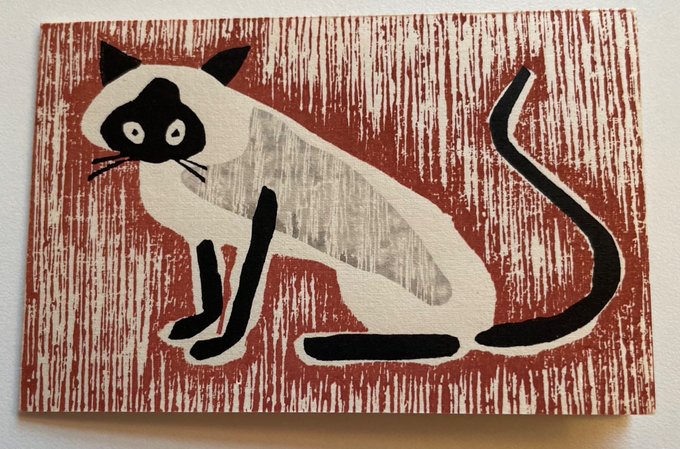
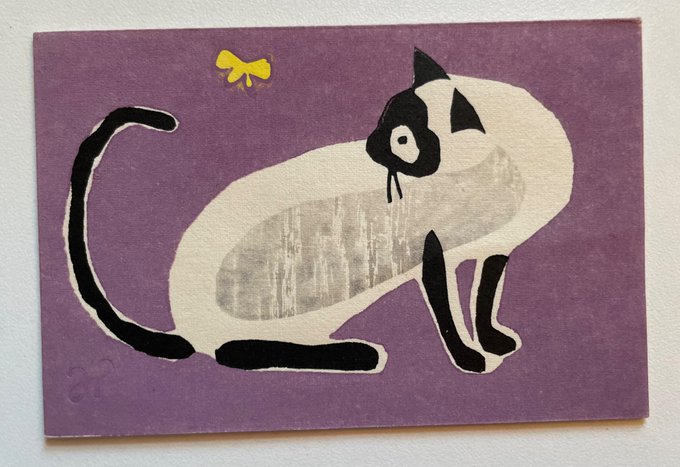
Tired. Will post something tomorrow. In the meantime, kitties 🐈⬛ By Kiyoshi Saito


Nicolas Nemiri, Cat Falling in Snow/Cat Falling 4 Poses Woodblock, France
Very silly


Early #Caterday
Dreamy kitties in many ways. Ikenaga Yasunari (b. 1965) Japan.
https://t.co/u1wY22577F

#MedievalStuffs #LentenCloths During Lent, images were cleaned and then covered these lenten cloths “as a token of mourning, not only for Adam’s sin, but also for our own sin. These hid the images (though often wrapped tightly so the shape could still be made out).

@Portaspeciosa @EstelleRW https://t.co/fOcFQH1j19
BL Add 25698 f. 9 Lenten penitence

#MedievalManuscripts St Jerome seeming to pet his lion,Bible Zikmunda z Domažlic Stephanus LangtonVIII.A.8, 1r
Národní knihovna České republiky; Praha; Česko; Source: Image repository of the National Library of the Czech Republic
https://t.co/KMmVBpuT8w


#Caterday Well not cats, but tigers...
(L) Tiger on Rocky Outcropping, ink on paper, hanging scroll, 20th century, Japan (artist?)
(R) Haruki Nanko (1759-1839), Tiger, ink on paper hanging scroll, Edo Period, Japan


In high/late medieval Europe the tabernacle was closely aligned with altars, images, & dignitaries (king, bishop). In England “A tabernacle that dyd hange over the altar” at St. Botolph, Billingsgate & “the tabernacle of the sacrament” at St. Vedast, both connected to a pyx.