
Sarah Blickさんのイラストまとめ
@SarahBlick3Follow @SarahBlick3さんをフォローする
フォロー数:2302 フォロワー数:2977


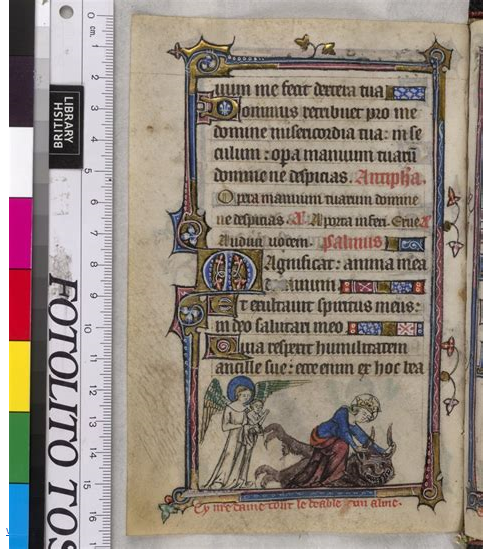
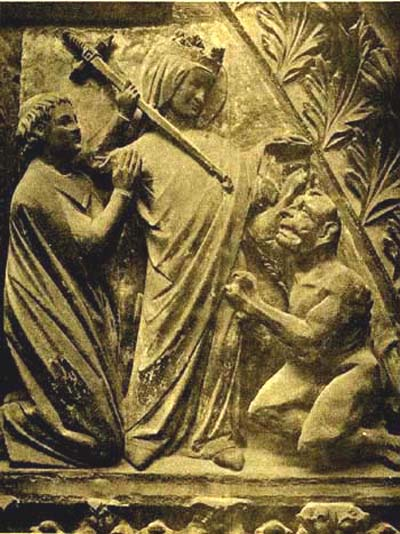
@fustbariclation Could be, could be... Actually she can get pretty brutal with the devil...https://t.co/MXaNGPtVBy
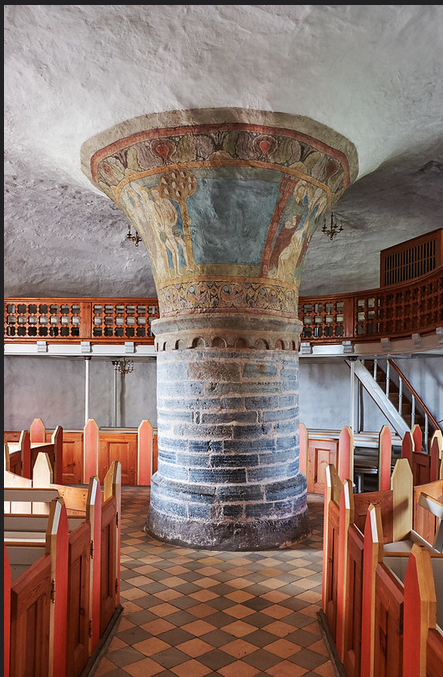
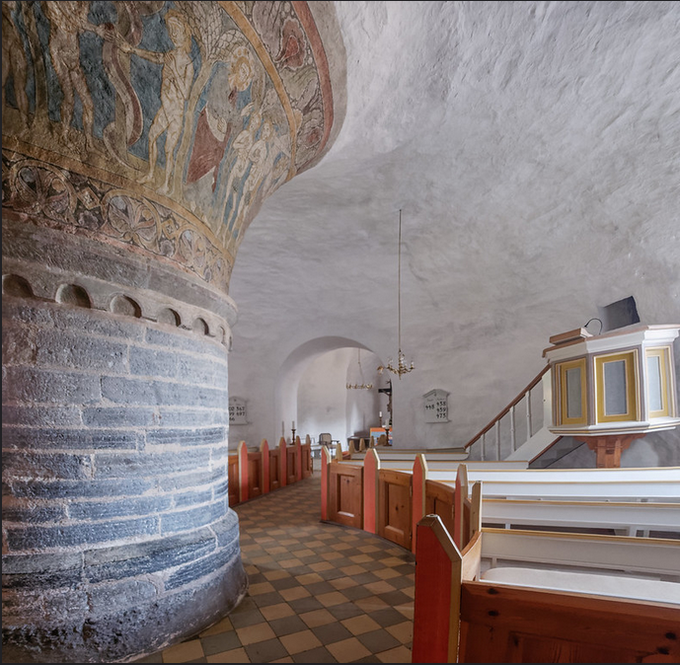
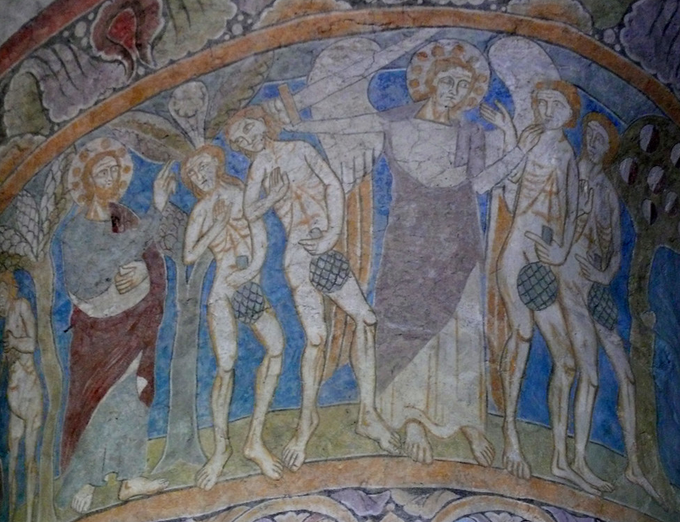
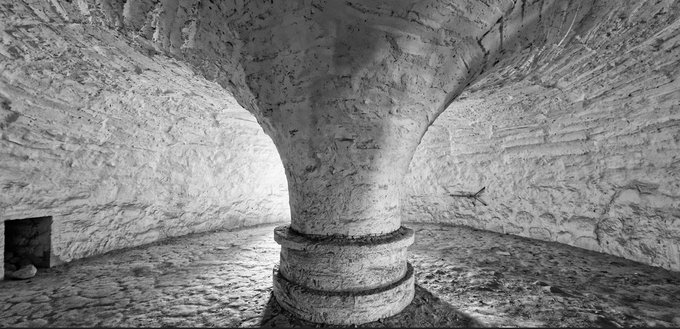
Nylars Church (St Nicholas) C12 church, C13 frescoes Story of Adam & Eve; Wonderful quality painting. Column continues on 2nd floor
https://t.co/HoEb91US3M


#Kzoo2022 Lesley Milner's masterful paper on treasure houses (sacristry) C14 English parish churches. How to id, who paid for them and why? Physical evidence of great vaults, windows, water/heat source for some to deal with sacred washing. So interesting!
https://t.co/YhbPo5QGUs


I don't know why, but the strange Mannerist prints of Jacques Bellange (1575-1616) have always intrigued me. The pudgy balloon bodies with the attenuated limbs (fingers esp), the naked yet clothed w lots of drapery, and the shimmering light makes for a strange world.

@antiquariananon Nice watercolor from when the pigment was a bit fresher (or the artist more inventive?)
https://t.co/GBjzqWJx4l
Again, thank you for sharing such great pictures!


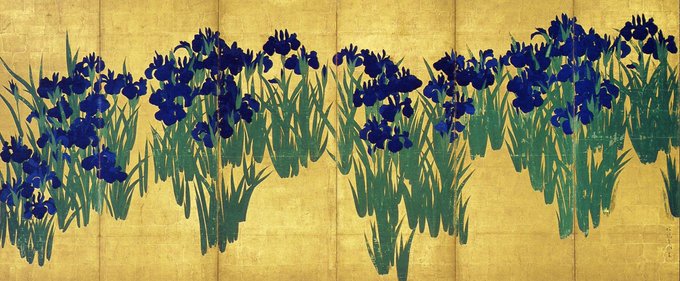
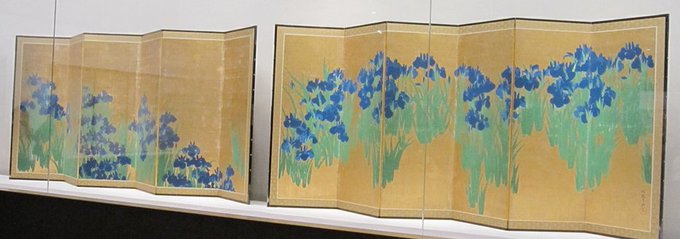
Rinpa School, Japan. The Ogata Korin goes further & implies the bridge, poetically recreating w irises folding in & out on the screens. This link translates the original poem and lays out the "Iris" structure. 3/4
https://t.co/DtHElwUlSl


Works by the Rinpa School, Japan were purchased by wealthy merchants, eager to prove their cultural knowledge. Here Ogata Korin references a poem from the Tales of Ise based on an 8-plank bridge over irises, a man missing his wife, uses syllables of "iris" to create the poem.2/4
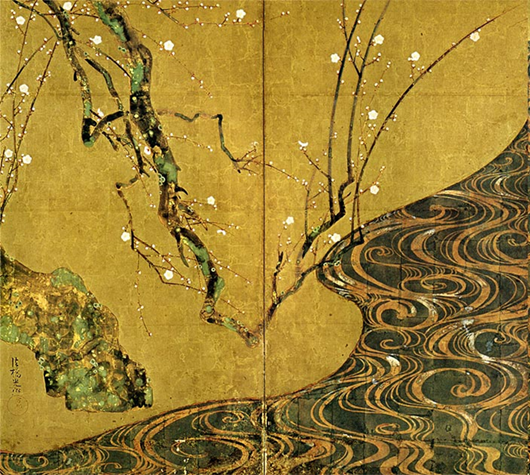
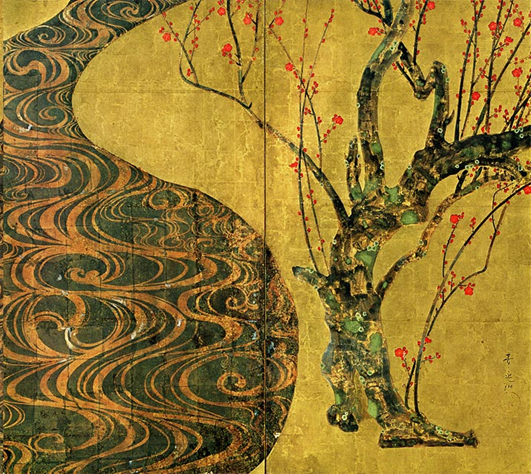

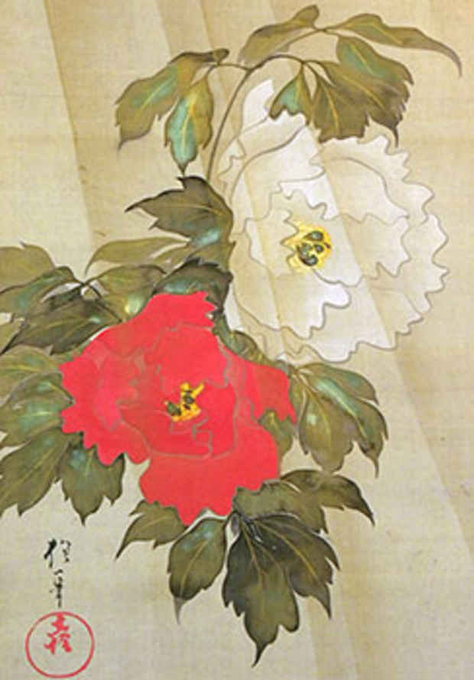
The Rinpa School, Edo Period (1603-1867), Japan specialized in works that were decorative & highly intellectual, referencing classic literary works of the Heian/Kamakura Periods. Stylistically, they mixed 2D forms w 3D areas created by tarashikomi, a wet-on-wet technique. 1/4


Not #Caterday yet & I've posted this before, but for some reason, I thought I would share again. Takao Iijima (b.1931) aka Ay-O, (靉嘔) is Fluxus artist from Japan. He does amazing silkscreen prints. Naturally, my favorites are his cats.


#MedievalManuscripts Holding a book properly so that it wouldn't be damaged was important. People would use their sleeves (like this hybrid fellow), or use cloth covers