
The Long Victorianさんのイラストまとめ
@longvictorian2Follow @longvictorian2さんをフォローする
フォロー数:379 フォロワー数:21947


Saturn Devouring His Son (1823) by Francisco Goya (1746-1828). Many possible interpretations, inc. (1) conflict between youth & age (2) merciless of time (3) God's anger (4) the consumption by the state of it's people by wars & revolution. #SpanishArt #Romanticism
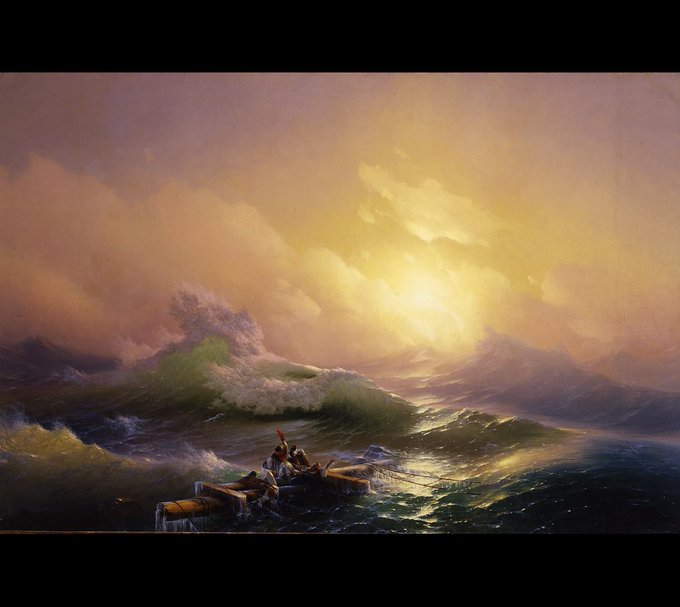
The Ninth Wave (1850) by Ivan Aivazovsky (1817-1900). State Russian Museum, Saint Petersburg. The ninth wave is, in popular legend, the most powerful and destructive wave. #RussianArt #MaritimeArt #Ocean
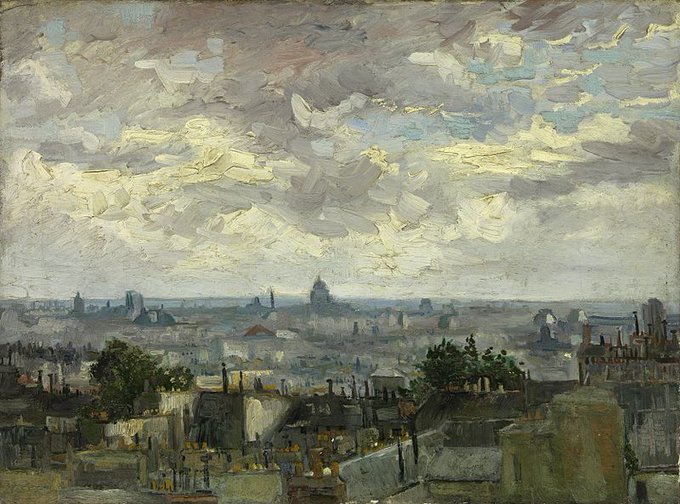

Helen of Troy (1898) by Evelyn de Morgan (UK, 1855-1919). De Morgan Centre. "Helen of Sparta" was said to have been the most beautiful woman in the world, the daughter of Zeus & Leda. #VictorianArt #PreRaphaelite
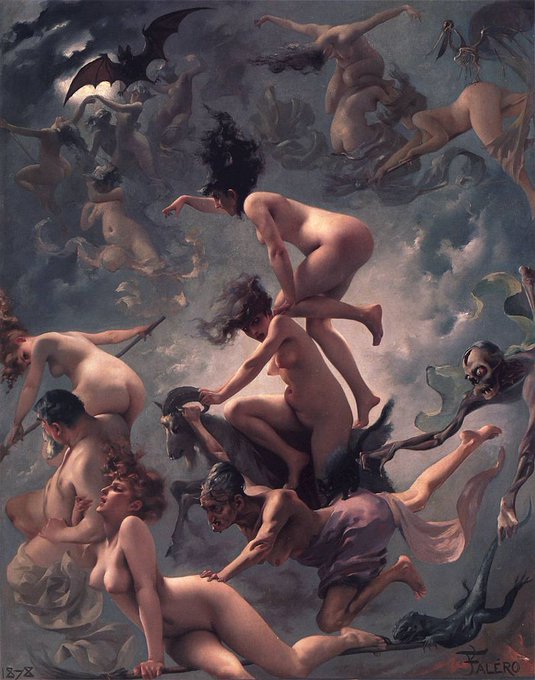
Witches going to their Sabbath [The departure of the witches] (1878) by Luis Falero (1851-1896). #Gothic #Fantasy #SpanishArt

The Roll of Fate (1882) by Walter Crane (England, 1845-1915). 'Would that some winged angel ere too late Arrest the yet unfolded Roll of Fate, And make the stern Recorder otherwise Enregister, or quite obliterate!' #VictorianArt
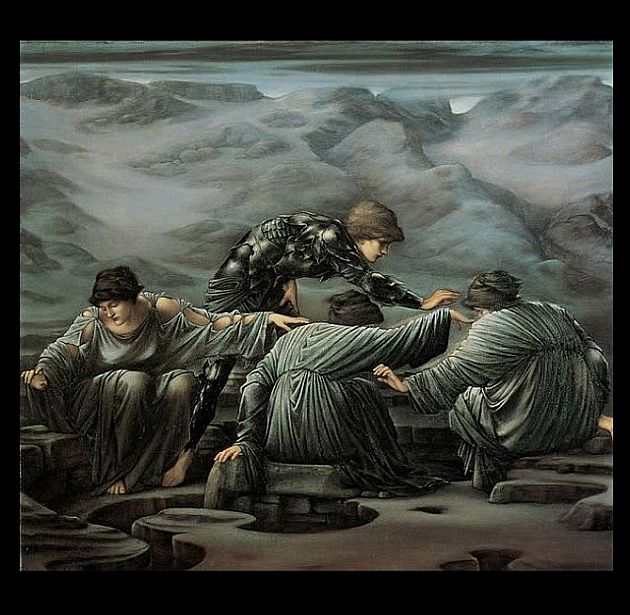
Perseus and the Graiae (1892) by Edward Burne-Jones (England, 1833-1898). Three sisters sharing one eye & one tooth. From the version of the Perseus legend that appears in William Morris's "The Doom of King Acrisius". #Mythology #Victorian #PreRaphaelite

Battle of Cesme at Night (1848) by Ivan Aivazovsky (Russia, 1817-1900). #Art #MarineArt #Fire #Ottoman
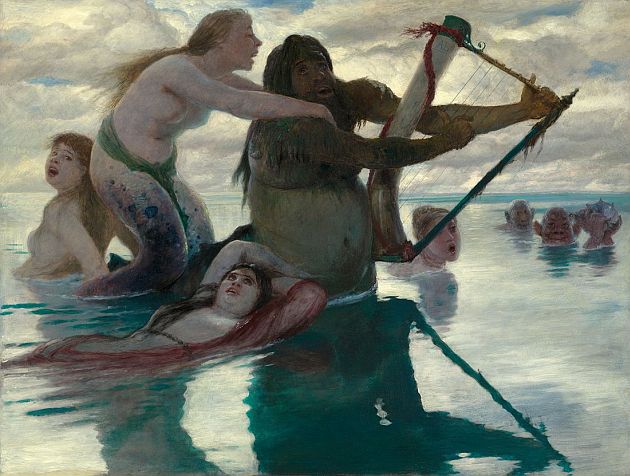
In the Sea (1883) by Arnold Böcklin (Switzerland, 1827-1901). The Art Institute of Chicago. Three mermaids and a harp playing triton. #Myth #Victorian #ClassicalWorld

Saturn Devouring His Son (1823) by Francisco Goya (Spain, 1746-1828). Inspired by the Greek myth of the Titan, Cronus (Romanised to 'Saturn'). #SpanishArt #Victorian