SCIARTのTwitterイラスト検索結果。 6,563 件中 91ページ目


A pelagic octopus that secretes a calcium carbonate egg case and traps bubbles inside for buoyancy! Too cool.
Project Animalia (365 days of #sciart #illustration)
Day 166: Paper nautilus (Argonauta argo)
#sciviz #wildlifeart #AnimalOfTheDay #cephalopod #octopus #oceanart


Beetles illustration.
#scicomm #SciArt #vectorart #illustrator #insects #beetles #longhornbeetle


New cleaner fish drawings to add to my collection 🐠🐟
#sciart #SundayFishSketch



Patagotitan mayorum is one of the largest land animals that ever existed. 🦕 It is absolutely mind-boggling how ridiculously large it is. You can see their skeleton Máximo at the @FieldMuseum. Scale bar = 1 m. #HelloMáximo #PaleoArt #SciArt


Si te gustan los gifs de #illustraciencia entra en https://t.co/6A9RACevTc y compártelos #sciart

My pier-dwelling neighbors! Barnacles always amazed me, love watching their tiny legs filter feed in the surf.
Project Animalia (365 days of #sciart #illustration)
Day 163: Gooseneck barnacle (Pollicipes polymerus)
#sciviz #wildlifeart #AnimalOfTheDay #invertebrate #oceanart


Seeing some peeps doing a carboniferous art week, I happen to be working on a carboniferous animation practice, still drawing out the pieces
#paleoart #sciart #FossilFriday


The Ediacaran Period hosted many new wild and wonderful animals such as Yorgia, a disc-like organism from the extinct phylum Proarticulata, and Kimberella, a slug-like bilaterian.
https://t.co/slgBc1rH8e
Illustration by @AndreyAtuchin
#paleoart #SciArt

More #workinprogress on #Nothosaurus mirabilis. I liked the first image I did but I kind of like this one better as an #illustration.
#wip #paleoart #paleoartprocess #sciart #science #paleontology #marinereptile #prehistoric #reptile #triassic #digitalart #art #artistsontwitter


Because it should be #WorldOceanWeek, not #WorldOceanDay :) Here's a fun schematic of nutrient cycling in tropical reefs. For McKinnon et al., Annu. Rev. Mar. Sci. 2014. #sciart #scicomm #vizscicomm #infographic #cutaway #marine #coral #biodiversity #savethereef #climatechange


How does the environment affect cell function? By applying osmotic shifts to fission yeast, @MolinesArthur et al. show that an increase in cytoplasmic concentration reduces microtubule polymerisation/depolymerisation rates!
⬇️
https://t.co/kqySwyVUu4
#animation #scicomm #sciart


I made a few skeletal illustrations for @JohnRHutchinson's review of giant land animal locomotion. Patagotitan is just so ridiculously large and would not fit onto the figure at the same scale as all the others so the tail got chopped 🦕 #SciArt #PalaeoArt https://t.co/4jy7ttMqFQ


A Cat and a Scientist makes a great pair I feel :)
How many of you agree ?
@AcademicChatter
#science #ScienceTwitter #SciArt #artandscience #sciencecartoon #scientists

Another beetle trio.
#insectart #scicomm #sciart #insectdrawing #beetledrawing #vectorart #insects #illustrator #beetles #natureart
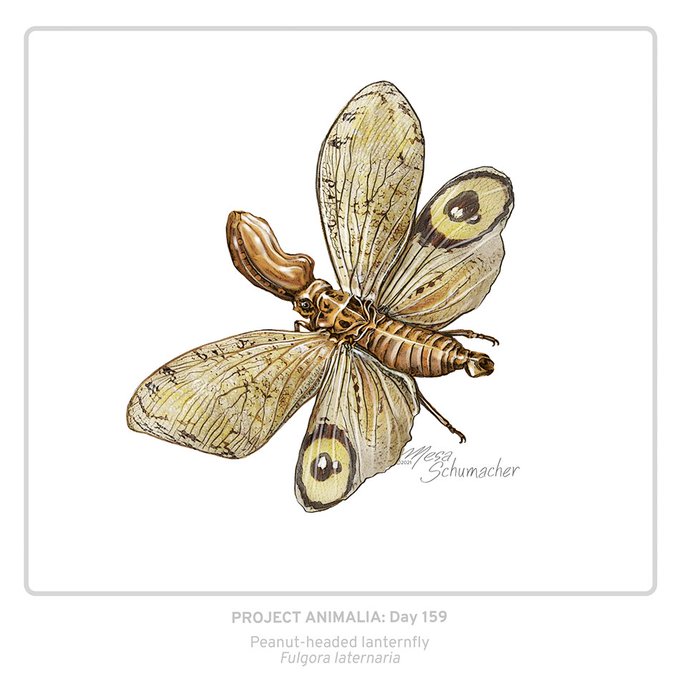
Happy #NationalInsectDay Canada!
Just so happens it's insect day for me too!
Head protuberance, showy stinky defenses...
Project Animalia (365 days of #sciart #illustration)
Day 159: Peanut bug (ulgora laternaria)
#sciviz #wildlifeart #AnimalOfTheDay #insect #Entomology