NaturalHistoryのTwitterイラスト検索結果。 539 件中 16ページ目


Flower Study I, n.d., by #MargarethaDeHeer (Dutch, c. 1603–1665). Held at @groningermuseum; source,
https://t.co/bSsxWXpgC3 #artherstory #womenartists #hernaturalhistory @BioDivLib @HistSciArt @theflorajournal


A little late for #PortfolioDay! I specialise in #NaturalHistoryIllustration, #paleoart and #sciart. I work with watercolour and gouache. My favourite subjects are #paleobotany and #arthropods.


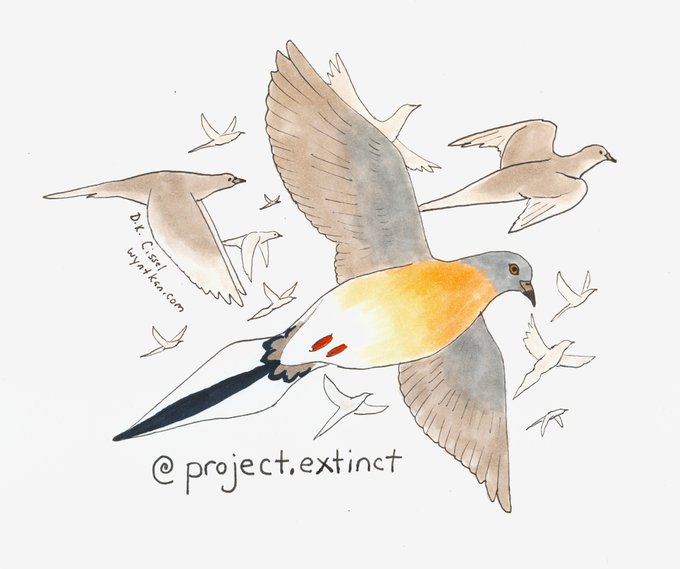
It's #PortfolioDay! I'm D.K. Cissel, and I'm an #illustrator and #webcomic artist working in traditional media, focusing on #naturalhistory topics. See more at https://t.co/SGu1VIOREW and https://t.co/SnqCZbelCW


Dingy Skipper Butterfly just finished.
#BritishButterflies #DingySkipper #NaturalHistoryIllustration

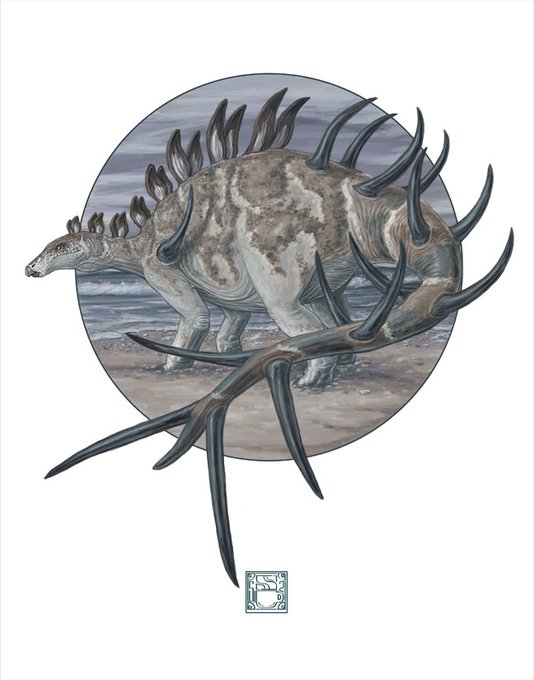
Final version of #Kentrosaurus aethiopicus.
#stegosaur #jurassic #paleo #paleoart #paleontology #sciart #science #educational #naturalhistory #dinosaur #dinosaurart #dino #dinoart #digitalart #digitalillustration #illustration #illustrationart #art #artist #artistsontwitter


In Germany, Auriculas are a symbol of home. Bear's Ear Primula, Magdalena Bouchard, ca. 1773–1793. From Hortus Romanus, vol. 1, Massachusetts Horticultural Society Library. #FolkloreThursday #WomensArt #HerNaturalHistory #WomensHistoryMonth #WomenInSTEM


New #ArtHerstory guest post by @ZooLibrariANN, https://t.co/hjH8FRHz06. It discusses the work of C17th & C18th #womenzoologicalartists, incl #MariaSibyllaMerian, plus the work of a few from the C20th century, incl #LilyAtteyDaff. #hernaturalhistory @theflorajournal


Elinor Frances Vallentin collected hundreds of plant specimens from the Falkland Islands. She illustrated many of these in her 1921 work on Falkland Islands botany, which is freely available online in #BHLib via @FieldMuseum ➡️ https://t.co/N1E0DPjDtj
#HerNaturalHistory

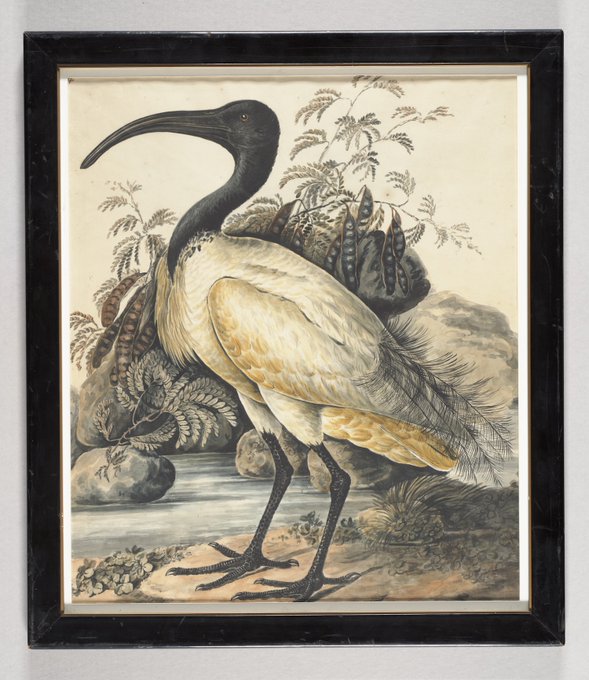


In the early 19th c, Elizabeth Gwillim moved from England to India for her husband's work. Separated from her family and friends, Gwillim found solace in painting the birds of the Chennai region. See all 121 of her beautiful pieces here: https://t.co/6i86Er60cU #NaturalHistory


"Canadian Wild Flowers" (1868) was one of the 1st serious botanical works in Canada. It was authored & illustrated by women — Catharine Parr Traill & Agnes Fitzgibbon Chamberlin. It is freely available online via @MuseumofNature ➡️ https://t.co/PmwELa51Bc
#HerNaturalHistory


Op deze #Vrouwendag stellen we graag Mary Lawrance aan je voor, een Engelse botanisch tekenaar, gespecialiseerd in het vastleggen van bloemen.
In 1799 publiceerde ze dit fantastische boek over passiebloemen.
https://t.co/u5jUKN5Noz
#HerNaturalHistory #WomensDay

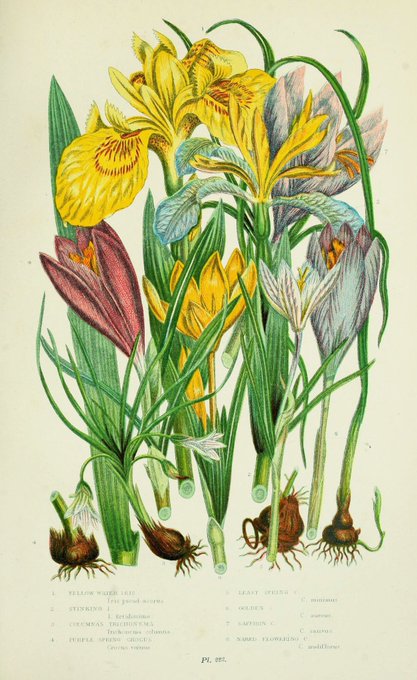
Anne Pratt (1806-1893) was one of the most popular artists and writers of the “Golden Age of botanical art”. Producing 20 publications, she helped create interest in flower study in the general public. Learn more ➡️ https://t.co/sxUI5xB6vf
#HerNaturalHistory

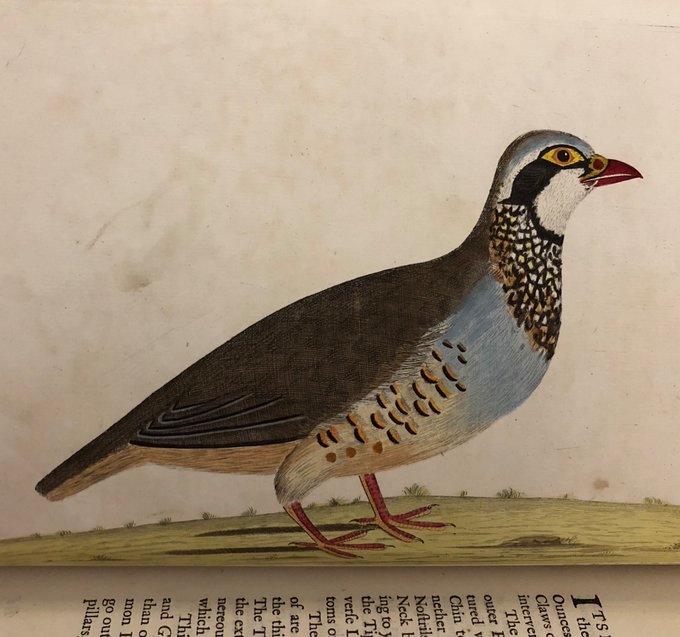

Eleazer Albin’s 'A Natural History of Birds' (1738-40) was the first British printed book of #ornithology to feature hand-coloured plates. In fact many of the 300 illustrations were the work of his daughter Elizabeth. #HerNaturalHistory #IWD2020 #InternationalWomensDay


Margaret Meen (1755-1824) was an English watercolour artist and teacher.⠀
In 1790 she published “Exotic plants from the Royal Gardens at Kew” in 1790. https://t.co/y4vCnisDP1
⠀
#HerNaturalHistory #womensday #vrouwendag

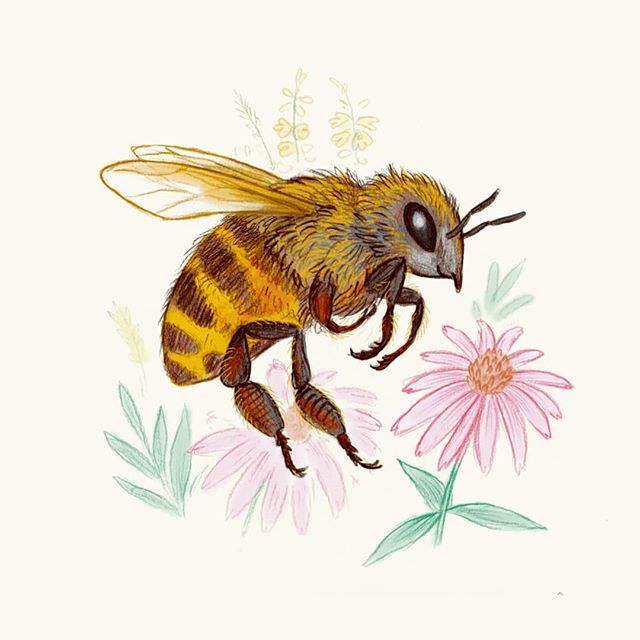
Have a BUZZING great weekend everyone! A happy little bee from Slow Down 🐝, out next month! Written by @rachel_m_williams @magiccatpublishing .
#honeybee #slowdownthebook #slowdown #mindfulness #inspiredbynature #naturalhistory
#naturebook #savethebe… https://t.co/ZVWNjZ2wOe


Yellow-eyed babbler perched on a Chinese hat plant, probably India, circa 1770 #watercolor #gouache #penandink #drawing #worksonpaper #penandinkdrawing #india #naturalhistory #nature #science #ornithology #botany #leaves #chinesehatplant #yelloweyedbabbl… https://t.co/hBiFsugYs6

Happy #MycologyMonday! The European blusher (Amanita rubescens) is so named because its flesh turns pink when bruised or cut. #SicArt by Anna Maria Hussey for "Illustrations of British Mycology", Ser. 1 (1847), in #BHLib via @NYBG ➡️ https://t.co/GuySl9vQOD
#HerNaturalHistory

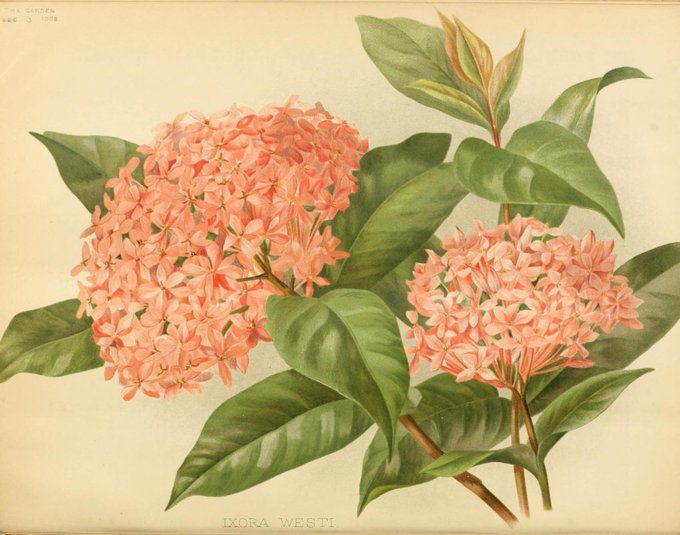


I'm still working on Gertrude Hamilton see https://t.co/aNNi7qrTGj. @BHL you should think about putting some of the images in this magazine in Flickr! https://t.co/pAavfXnc2n See the following as examples https://t.co/xa1kkNYrWv #HerNaturalHistory


📢 Interested in #NaturalHistory + #BiologicalIllustration? ✍️🏾—Check out 'Drawing Nature, Science and Culture: Natural History Illustration', a FREE @edXOnline course by @NHI101x @Uni_Newcastle✍️🏾—https://t.co/ov23H11Egx There's still time to enroll! Starts 3/4 #BioArt #ArtScience


Happy Valentines Day Everyone! (photo by Michael Wilkins) #beastsofthemesozoic #creativebeaststudio #dinosaur #raptor #toyphotography #actionfigures #toys #velociraptor #buitreraptor #prehistoric #reptiles #wildlife #paleontology #naturalhistory #HappyValentinesDay