specimensのTwitterイラスト検索結果。 583 件中 28ページ目


Psygnosis always had cool box art. Check out these fine 80s specimens by Roger Dean that had me buying those games


All this talk of big cows demands perspective! Certainly the #Aurochs' body size is big (& there are some huge specimens), but please, it pales in horn size to the #Ankole_Watusi which is the largest extant horned animal on Earth! Just goes to show that the Watusi is the real Bos


Jenny argues the enjoyment people get out of taxidermy and other #nathist collections isn’t just limited to visitors — #conservators can get a real kick out of working with these specimens too! Tune in here: https://t.co/4f112UKsDK #conservation #collections #museums #wellbeing

We talk about the ‘ick factor’ of fluid specimens, visitor enjoyment of (and reactions to) #nathist collections, and how natural history has become kind of sexy again. Curious? Tune in here: https://t.co/4f112UsRMc #podcasts #museums #collections #conservation #conservators


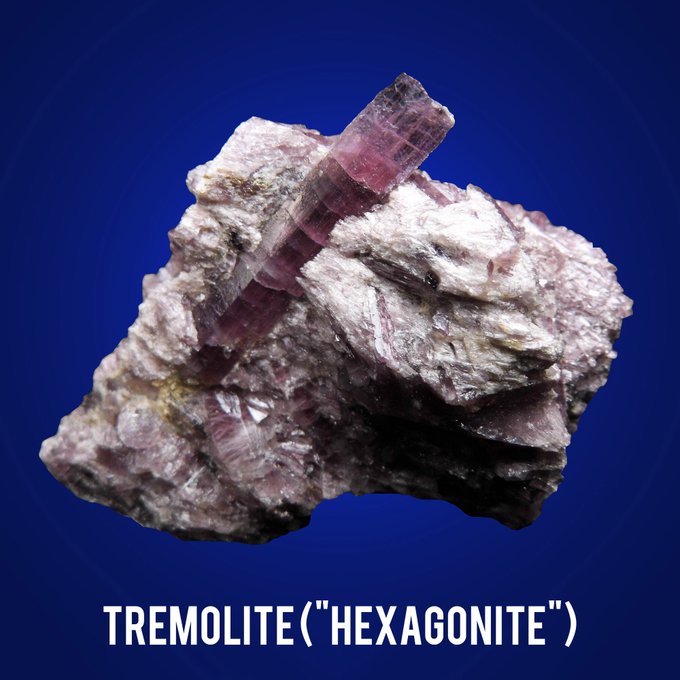


#ScienceTuesday: Mineralogy
Dr. Steven Chamberlain donated a collection of specimens from the Balmat Mining District in St. Lawrence County, NY. The NYSM now has the most complete & significant Balmat mineral collection that can be used for exhibitions, research, & education.


The Harvard Icones features 249 watercolor figures of #fungi specimens collected & painted by Lewis David von Schweinitz, the Father of North American Mycology. Explore the history of this sketchbook, now in #BHLib via @HarvardLibrary Botany Libraries ➡️ https://t.co/EfxV9tnJUQ


I’m gonna give the #museum30 challenge a crack, credit to @magnifyzoology. Swipe to see the teaching lab museum collection - glass display cases, animals in ethanol, boxes and boxes of pinned insects, and some specimens in storage out the back.


🦑The really great shock came when we undid one tarpaulin. It seems that others as well as Lake had been interested in collecting typical specimens; for there were two here, perfectly preserved. They were the bodies of young Gedney & the missing dog🎨Crowsrock🦑#Lovecraft #Horror


This Jack the Giant Killer themed writing blank was filled in by one John Pierce Meade on the 31st of December, 1810. Blanks of this sort were given as presents to children to fill in with handwriting specimens. https://t.co/tiJN0Ixtqd


inktober #11... inspired by specimens from the "ebayfriends" tumblr https://t.co/oqtL2rrxz7


Work in progress with @MarkYoung_84 @erdgeschichten and @michela_johnson. This is a figure for a manuscript on historical teleosaurid specimens from Germany and England which is about ready for submission.
#thalattosuchia #marine #crocodile #Jurassic #Germany #GreatBritain #paper


189/365— The west mines are known for flawless rock candy specimens. It occurs to me that I probably need to name this magical world but nothing comes to mind...I’ll think about it 😂 •
•
•
•
•
#illustration #inktober2018 #drawgothtober2018 #hgr0tober #drawloween #candy


According to the preface of John Hill's "Exotic Botany", dried specimens were reconstituted for illustration by macerating them in warm water. Explore the 2nd ed. (1772) in #BHLib for #FloraFriday via @HarvardLibrary Botany Libraries: https://t.co/1IiNCqBOzY #sciart


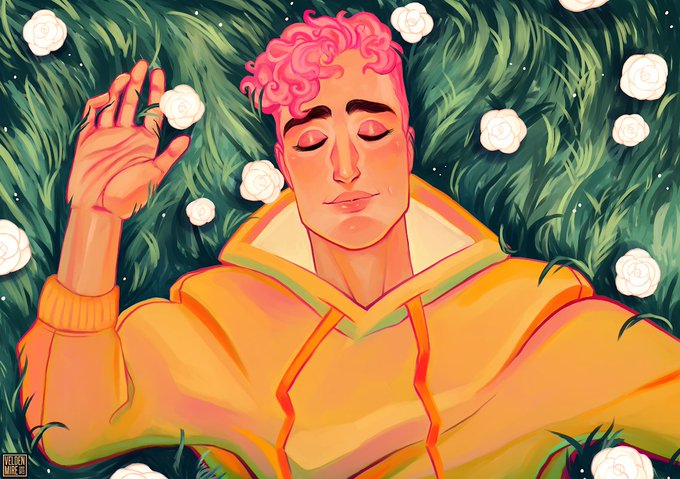
The moral of the story is, keep practicing kiddos, and one day your OCs will blossom into the beautiful specimens they were meant to be.
The glo up is real.
Aunty Lola believes in you all, get art buff 🎨💪✨


#OnThisDay in 1908, a pickaxe struck the side of a remarkable skull. It was the discovery of the Neanderthal known as the Old Man from La Chapelle, one of the most important specimens in the history of paleoanthropology. #fossils

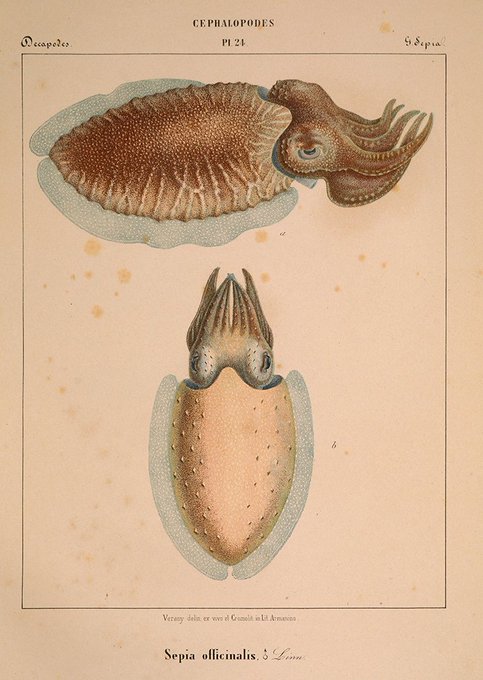


Jean Baptiste Vérany's "Mollusques méditeranéens: Céphalopodes" (1851) describes specimens fished from the Mediterranean Sea and features chromolithographed plates depicting octopuses, squids, and cuttlefishes. In #BHLib via @SILibraries: https://t.co/LNTMPk4x1c #CephalopodWeek


Both fossil specimens of Prejanopterus show a snout curved to the left. If this is not distortion of the fossil, Prejanopterus is surely one of the weirdest #pterosaurs. #fossils #science https://t.co/OJgmPKFOga


I'm imagining the decay of museum specimens as eroding and crumbling away due to pesky infestations of crystal growth. Also, a fun experiment!


We have specimens from Bank's insect collection; pinned in glass topped drawers. This collection was studied by Johan Fabricus who named ~10,000 species of animal and established the basis for modern insect classification. @royalsociety @NHM_London https://t.co/VZpEFhR6kx