Mechinations Podcastさんのイラストまとめ
@MechinationsPodFollow @MechinationsPodさんをフォローする
フォロー数:123 フォロワー数:334

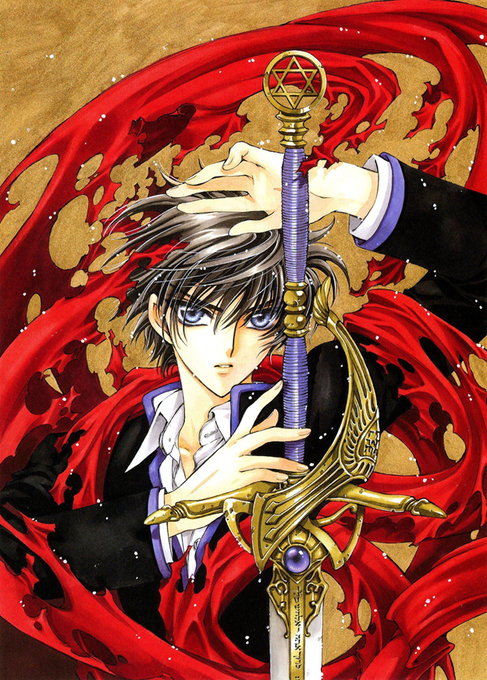
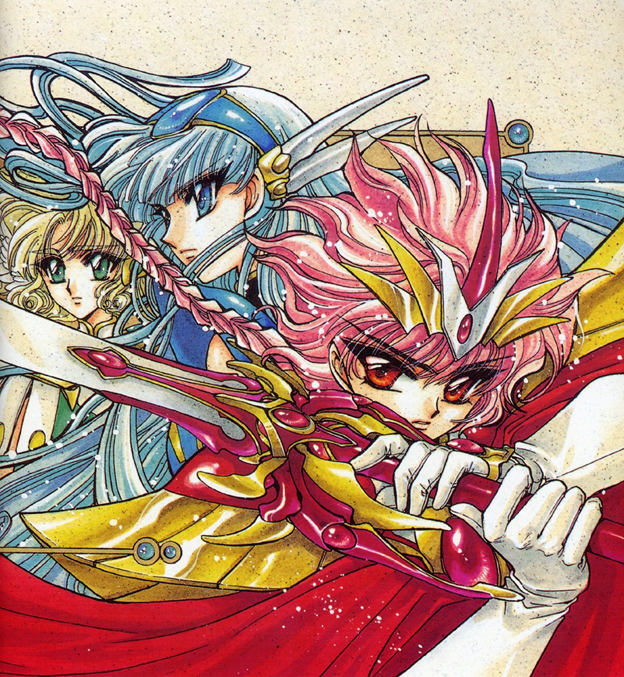

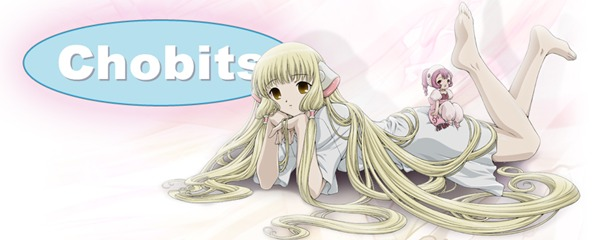
Arguably, CLAMP’s most successful properties are X/1999 (1992-2003), #MagicKnightRayearth (1993-1995), #CardCaptorSakura (1996-200), and #Chobits (2001-2002). But they certainly have other hits.

Get ready for a #CLAMP deep dive in Day 3 of our #CodeGeass coverage!



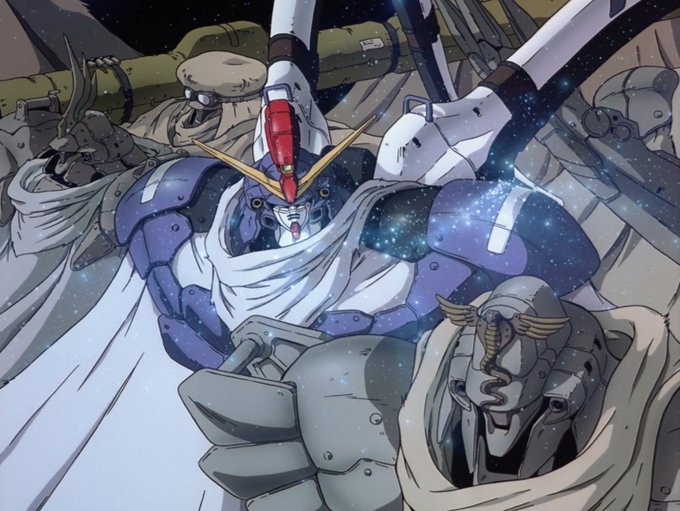
No doubt this caught the eye of Sunrise, who brought Ōkouchi on as a writer on #TurnAGundam (1999-2000), Yoshiyuki Tomino’s much-anticipated return to #Gundam. He’s worked on many #mecha projects, including #RahXephen (2002), #EurekaSeven (2005-06), and #Valvrave (2013).

Welcome to Day 2 of our look into the production of #CodeGeass: Lelouch of the Rebellion! We're still in the "getting the team together" stage.



Taniguchi eventually pitched Sunrise executives Infinite Ryvius, his sci-fi/hip-hop directorial debut, which aired from October 1999 until March 2000. It was well received. He followed it up with s-CRY-ed (2001), #Planetes (2003), and Gun X Sword (2005).

Given that #BackArrow, Taniguchi’s latest show, just premiered in Japan, and the fact that we’re nearing our return to #CodeGeass, a recap’s in order. Today we’ll discuss Gorō Taniguchi, his start in the industry, and the origins of CG.


It’s a crime that Matsui didn’t star in the third Patlabor film. “Wasted XIII?” More like wasted potential. His labor is invaluable and unsung.

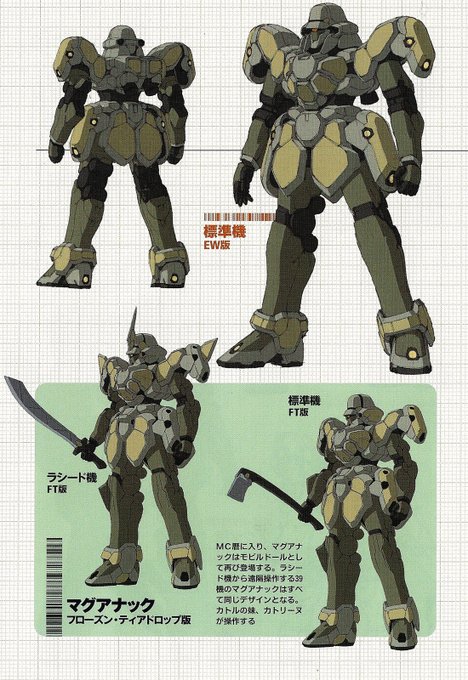
Just look at these beautiful boys! At least Katoki and Sumisawa were able to make use of them in the #Gundam Wing: Glory of the Losers manga.