
NASAさんのイラストまとめ
@NASAFollow @NASAさんをフォローする
フォロー数:119 フォロワー数:92109099


Members of the science community, academia, media, and the public are invited to participate in a virtual #NASAScience town hall with @Dr_ThomasZ and his leadership team.
Monday, Oct. 18 at 3pm ET (1900 UTC): https://t.co/DARH29Pyb1

🌠 Dress up your place with some space!
@NASAExoplanets has NEW posters featuring our space telescopes that uncover the wonders of the universe – like @NASAWebb which will soon study 13.5 billion years of cosmic history: https://t.co/rECb3DpFpd
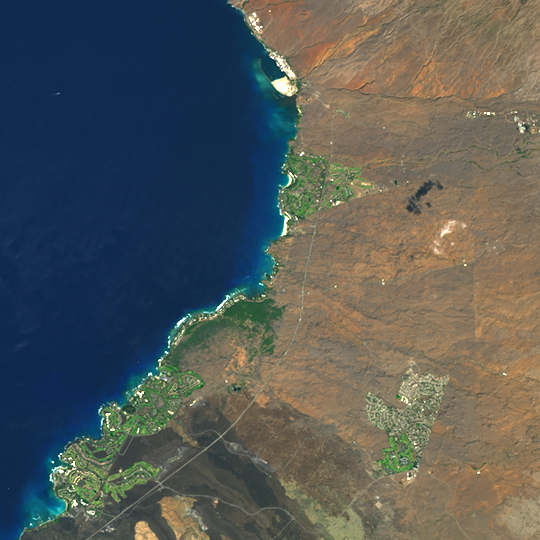
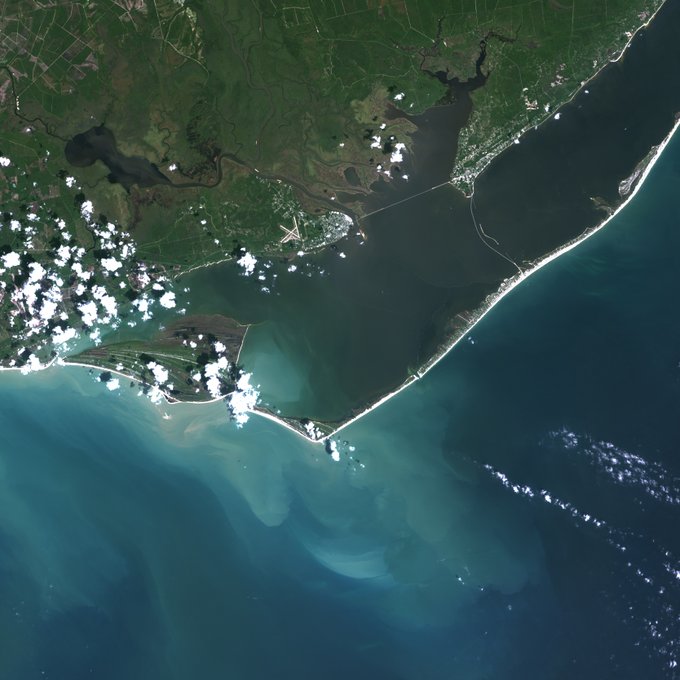

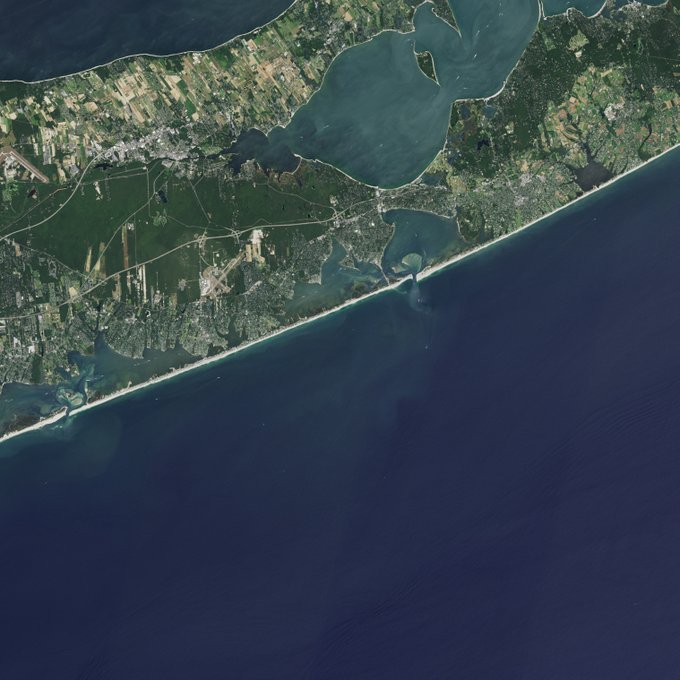
☀️ Summer is in full swing! ☀️
To celebrate the launch of @NASAEarth’s Landsat 9 satellite this fall, we worked with Dr. Beach to tour 2021's top U.S. beaches as seen by @NASA_Landsat.
Did your favorite make this list ➡️ https://t.co/Q9T25ZojUI

NEWS: Alongside our partners at @BoeingSpace, we have decided to stand down from Friday’s launch attempt of the #Starliner Orbital Flight Test-2 mission: https://t.co/s0pa9UxDZb

On Thurs., July 22 at 1:30pm ET, @Dr_ThomasZ and his leadership team will discuss updates to our science program and the current status activities during a community town hall meeting. How to join virtually: https://t.co/dGvBH4n0aE

Today at 4:30pm ET: In a forum presented by @AirAndSpace & @NASAHistory, experts discuss the rise in debris, or "space junk," cluttering Earth's orbit. Learn more: https://t.co/ZI8DZEuKvs
🔗 Watch: https://t.co/z1RgZwyJyi

🔴 LIVE: Tune in as NASA Administrator @SenBillNelson testifies before the Senate Appropriations Committee on our fiscal year 2022 budget request: https://t.co/z1RgZwQkWS

Today’s coverage of the Green Run hot fire test is starting at 3:45pm ET. The @NASA_SLS core stage for #Artemis I is expected to ignite for about eight minutes to simulate a @NASAArtemis launch.
Got questions? Use the hashtag #AskNASA: https://t.co/CtTdZpMLvl

✨ Take off to the planet... Venus.
Our @NASASun mission #ParkerSolarProbe snapped this image of Venus' nightside during a July 2020 flyby, revealing stunning views: https://t.co/3EPraEMrJf

Our Earth-observing missions and instruments on the @Space_Station unravel the complexities of our home planet from a cosmic vantage point. Take a glance at the images of 2020 through the lens of @NASAEarth satellites: https://t.co/D8SOy07E4x