Dr Robert Bohanさんのイラストまとめ
@RobertBohanFollow @RobertBohanさんをフォローする
フォロー数:247965 フォロワー数:294337

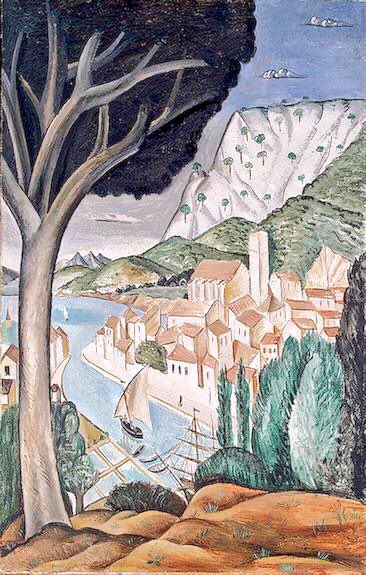
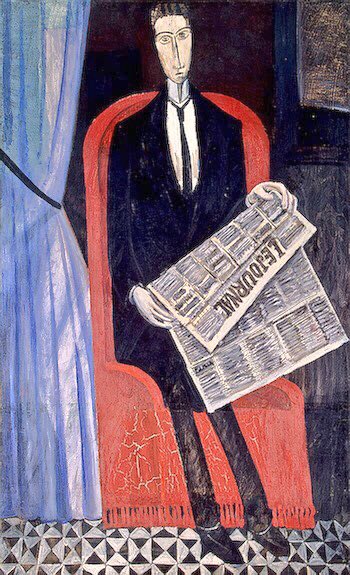

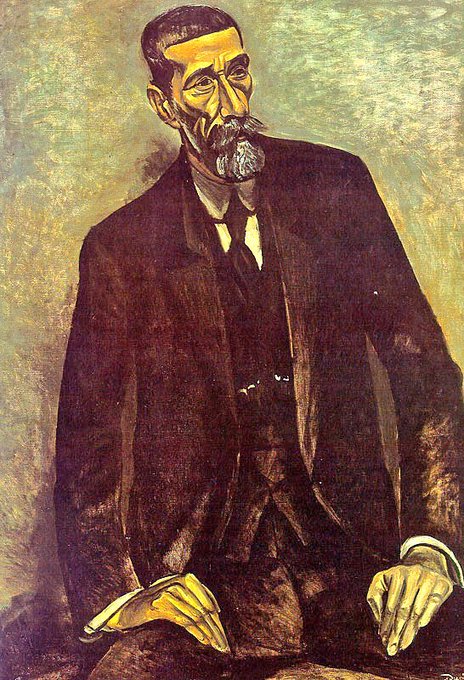
From 1911-12 he evolved a new more austere style termed his Gothic period. From 1914-19 he was called up for WWI. 1916 saw him illustrate Breton’s Mont de Piete. Martigues (1913), Man with Newspaper (1914), La Verre Noir (1913) & Portrait (1914)
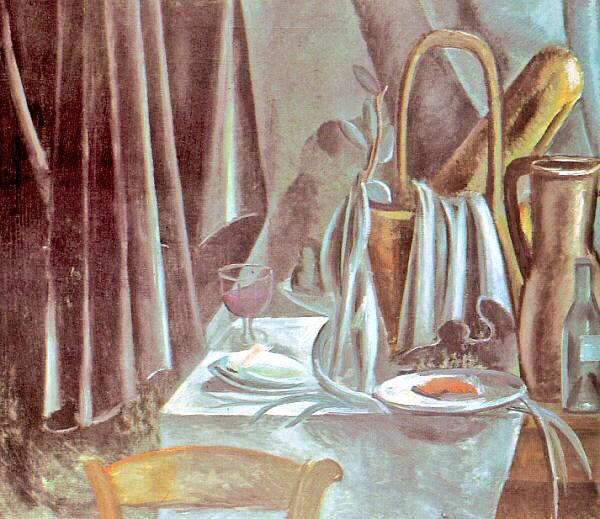
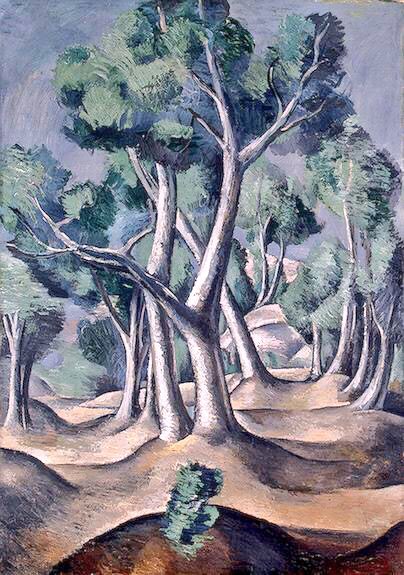
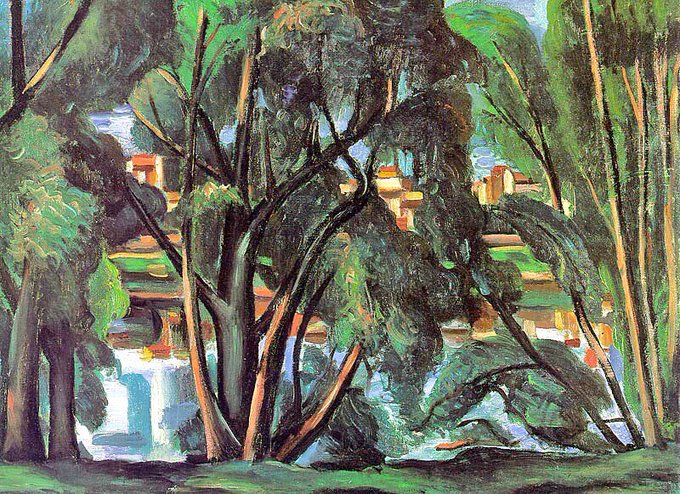
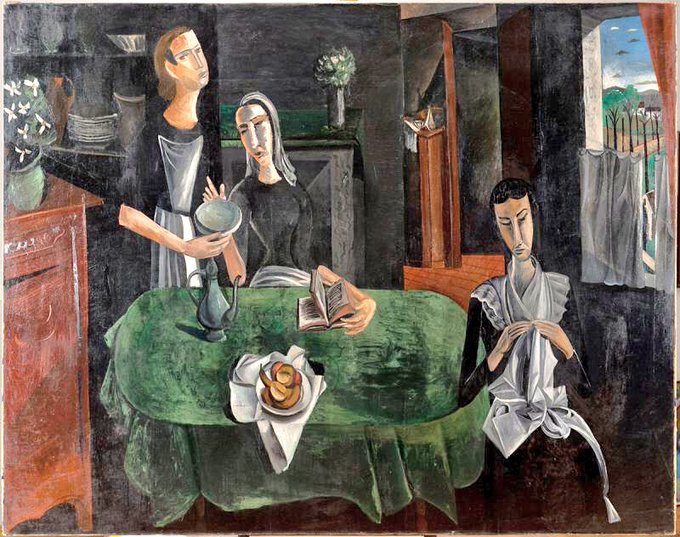
In 1912 he exhibited with the Blaue Reiter in Munich & in 1913 at the Armory in NY. He also illustrated Max Jacob’s poems in 1912. Still Life (1912), the Grove (1912), the Seine (1912) & Le Samedi (1913-14). He became the archetypal French painter

Message me with any questions
Special Offer: Two for One https://t.co/4BaLHU6Ote
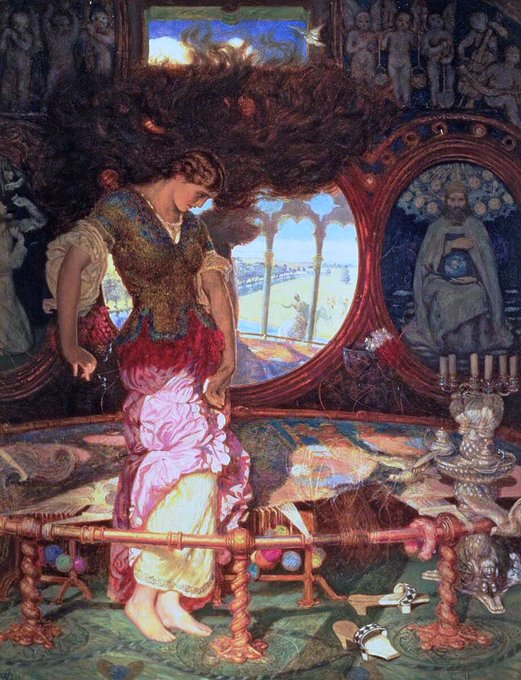
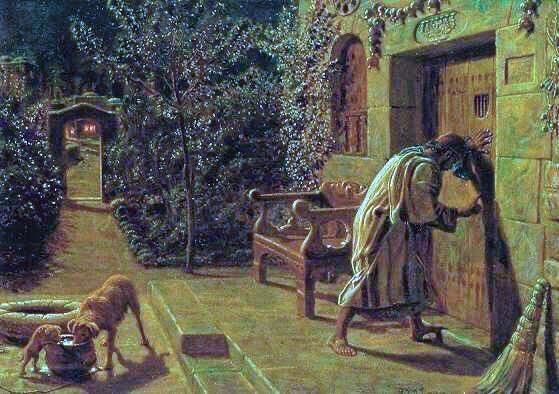
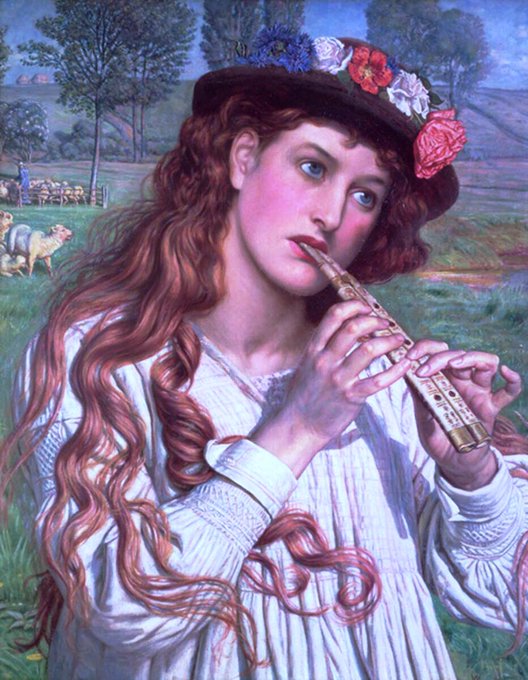
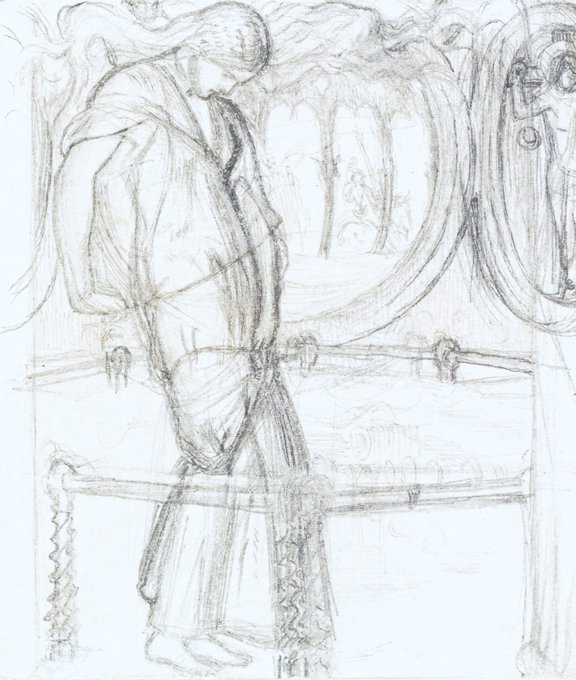
The Lady of Shallot (1892) is one of the greatest English paintings & full of fierce & climatic emotion. What a contrast with the Importunate Neighbour (1895) & Amaryllis (1884). Shallot is the genius of Blake, whereas the other two are the sermonising of Kipling
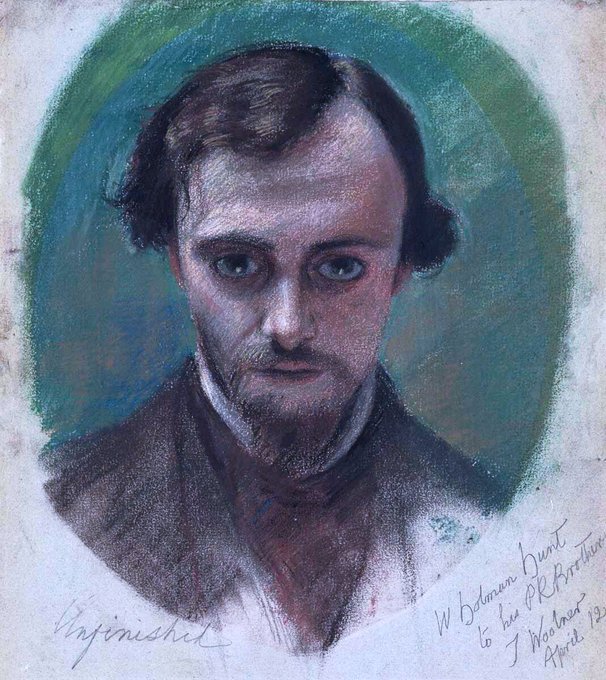
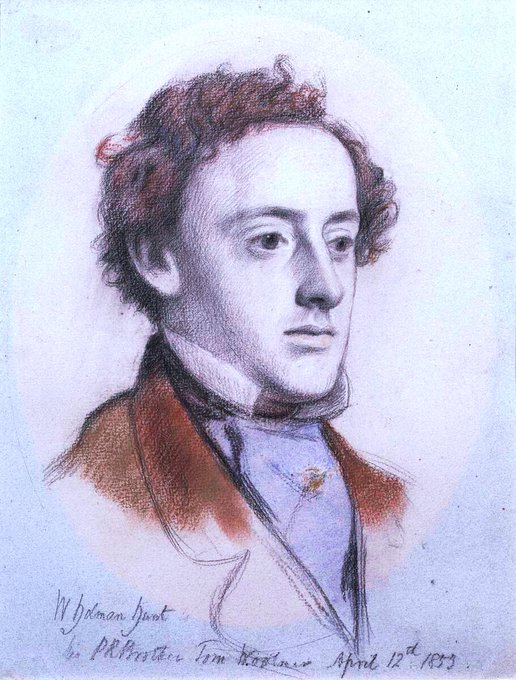
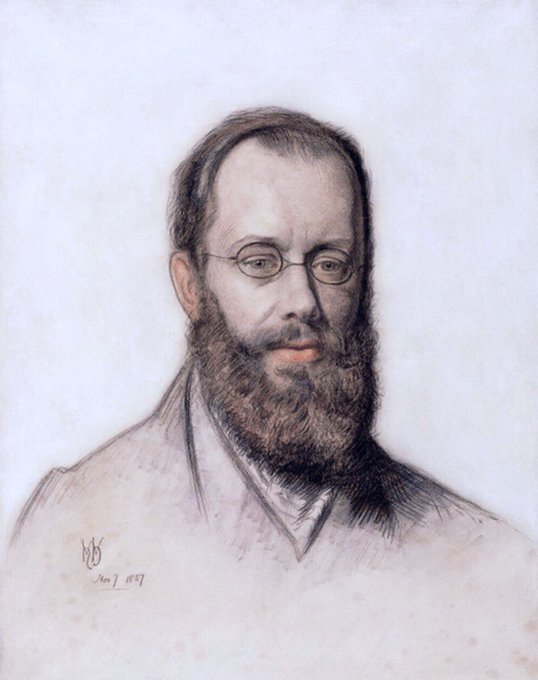
Hunt also portrayed his contemporaries such as his PRB friends Rossetti (1853) & Millais (1853). Also shown is Edward Lear (1857). The latter is almost hallucinatory in its scrutiny.
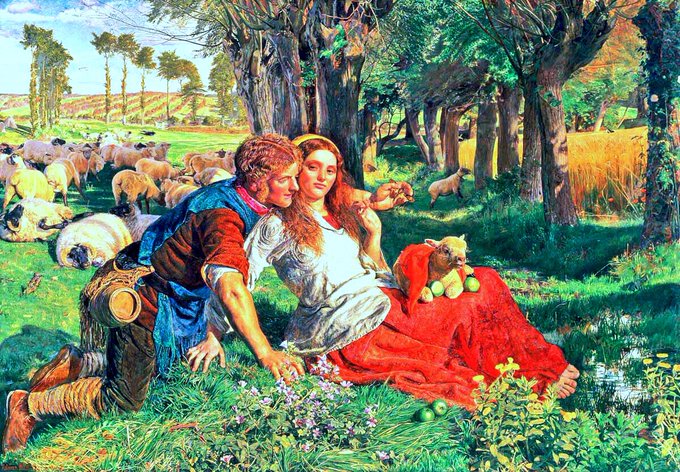
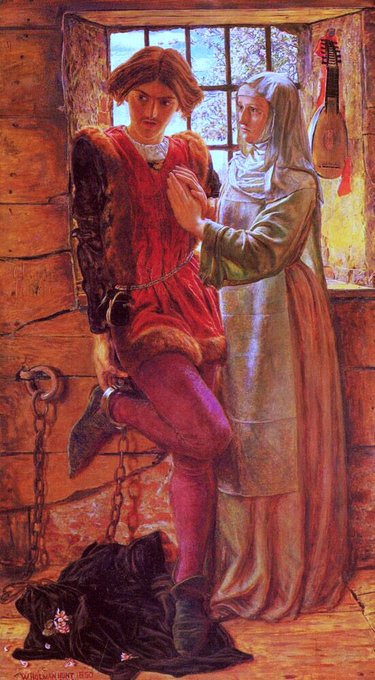
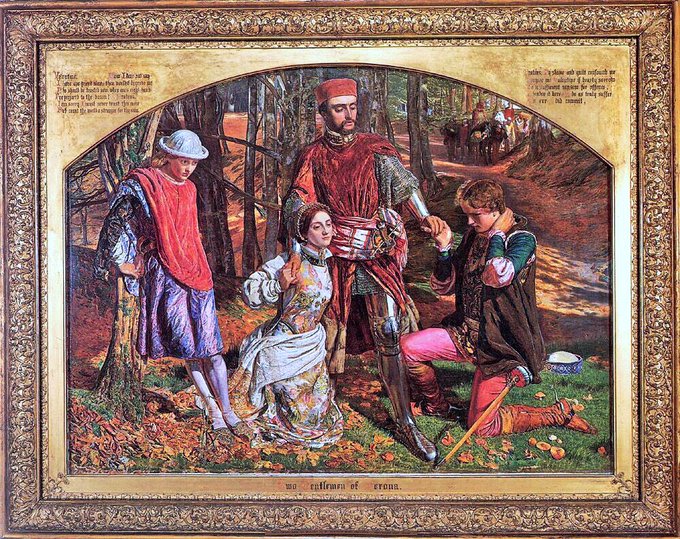
In part, Hunt’s work is escapism. England in mid century suffered horrific levels of pollution, poverty & class discrimination. Such concerns do not impinge on his work in the way ‘morality’ does. Hireling Shepherd (1851), Claudio & Isabella (1850) & Valentine (1851)
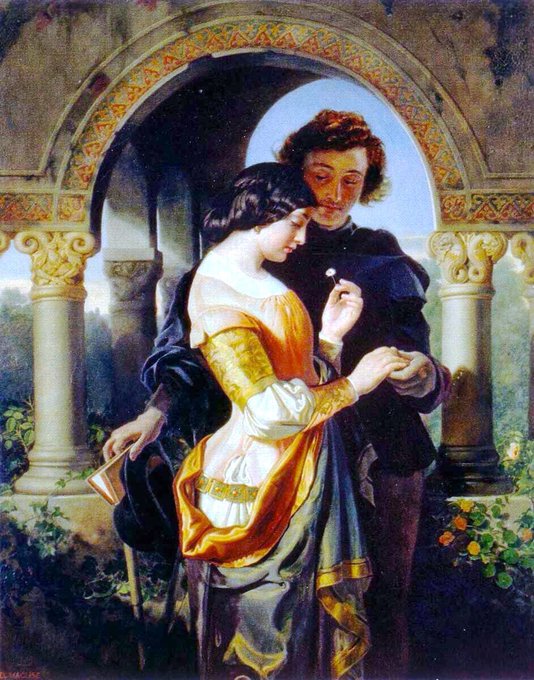
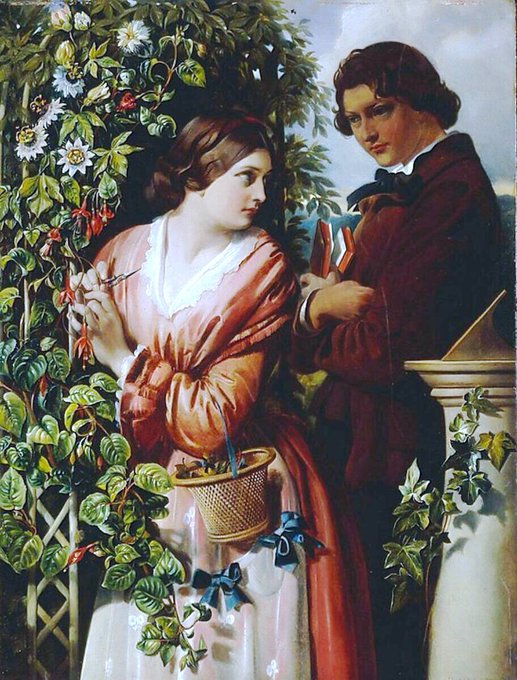
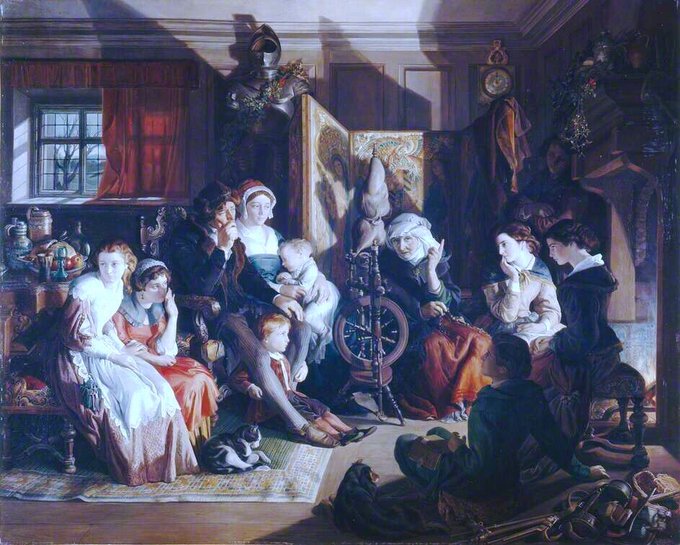
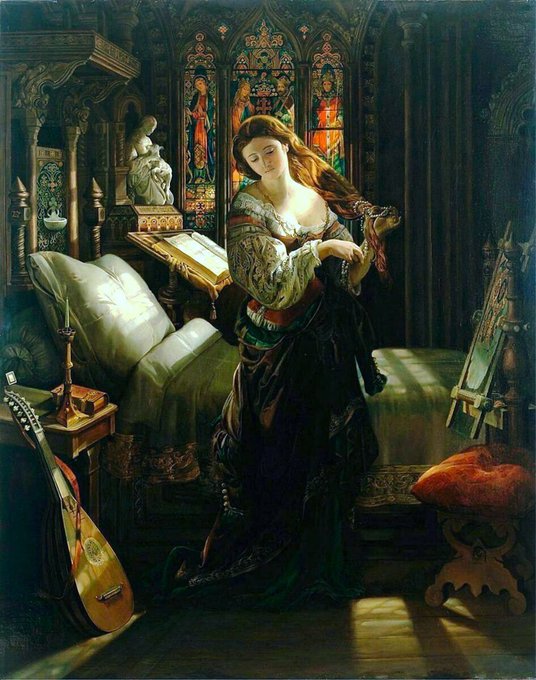
Maclise was a master of Victorian charm, indeed he was a friend of Prince Albert. The Student (1862), A Bower with Passion Flowers (1865), A Winter Night’s Tale (c1867) & Madeleine after Prayer (1868)
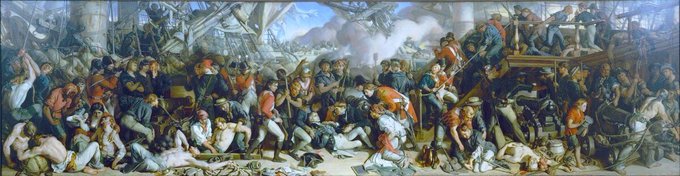

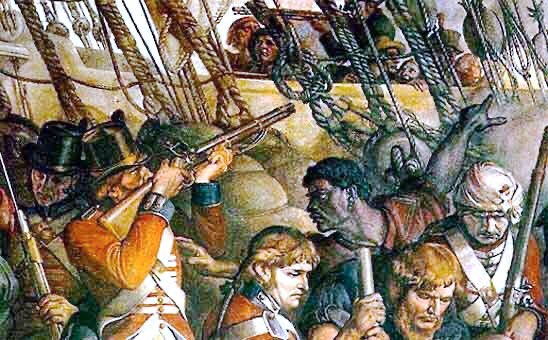

In 1858 he painted Wellington & Blücher & followed that with the Death of Nelson (1859-64). Not only could he sell the paintings but they also provided him with prints which were a lucrative addition at the time.
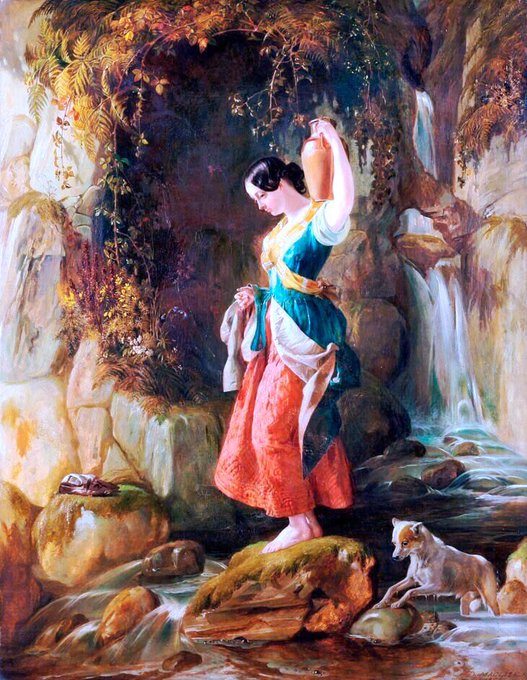
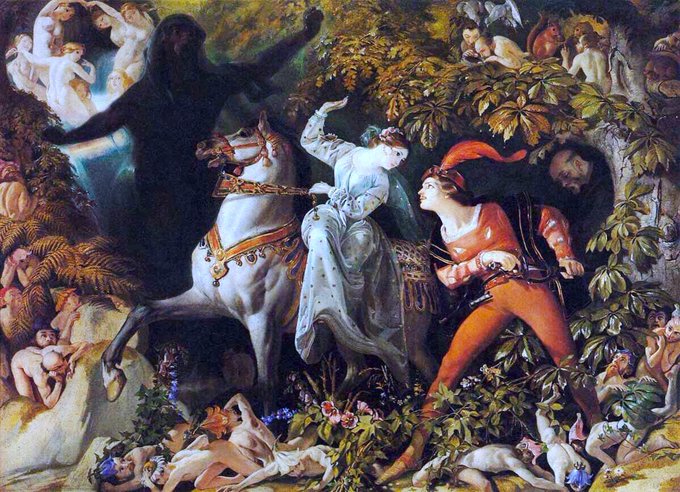
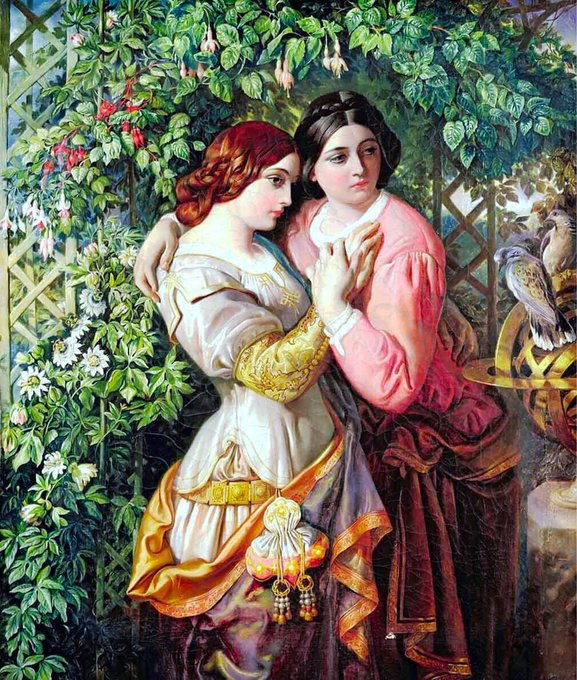
Where Maclise differs from his contemporaries is his bright colours, his focus on narrative & an interest in Celtic & Gaelic legends. Waterfall at St Nighton’s Kieve, near Tintagel (1842), A Scene from Undine (1843) & Rosalind & Cecilia (1845). These are v Victorian ladies.


The Irishman left for London in 1827 & entered the RA School in 1828. He exhibited at the RA in 1829. By the 1830s his work was gathering attention. First Steps (1829), Self-Portrait (1829) & Dionysius Lardner (1830s)