Dr Robert Bohanさんのイラストまとめ
@RobertBohanFollow @RobertBohanさんをフォローする
フォロー数:247965 フォロワー数:294337


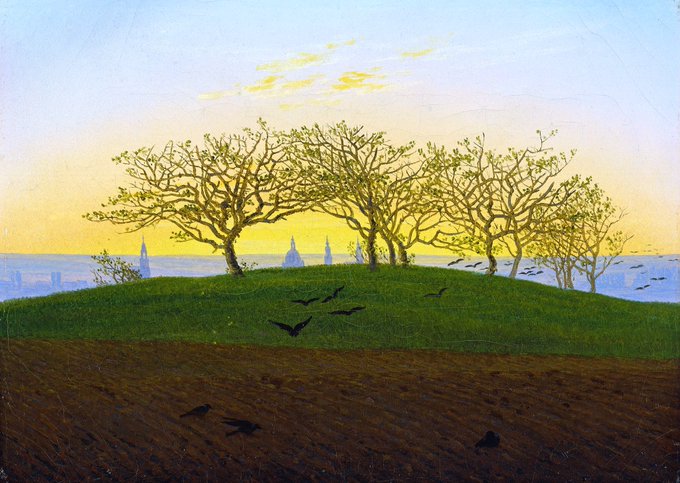
Here are a number of his other beautiful works. Check online for more. Taschen have a cheap book with great photos.


He completed a number of portraits in the mid 1830s including of himself in nature. Extreme poverty overtook him by 1838 & he died ignored by the art community that once feted him. To see his work best visit the Alte Nationalgalerie in Berlin


Moon Rising over the Sea (1822), The Tree of Crows (1822) & Village Landscape in the Morning Light (Lone Tree), 1822)

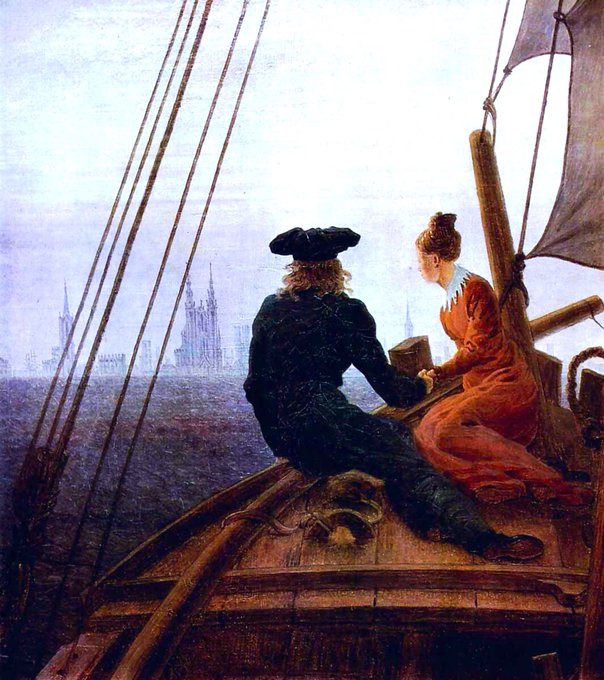

Friedrich included himself in his compositions, inviting the viewer to see the metaphysical landscape with himself as cypher. Wanderer (1817-18), Sailing Vessel (1818) & Greifswald Harbour (1818-20)


He married in 1818 & had 3 children. Some see a lighter less sombre approach in his works around this time & the greater importance of figures. He was taken up by Russian aristocracy. Morning (1810-11), Garden Terrace (1811) & Hunter (1811)

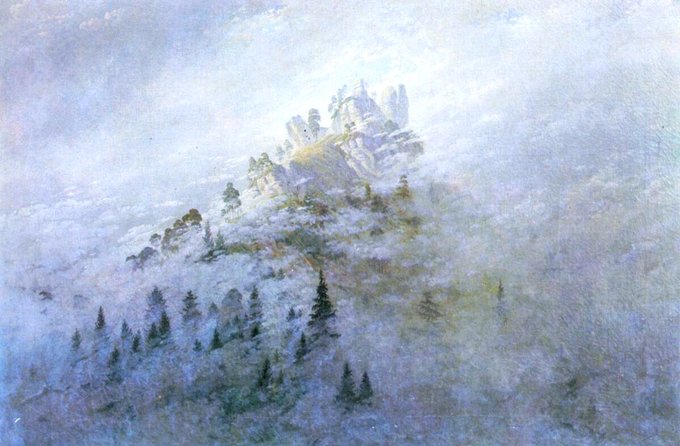

In 1808 he completed his early masterpiece Cross in the Mountains, an altarpiece. It combines interest in the spirituality & metaphysics of landscape. It met with criticism for over-emphasising the landscape. The artist saw sunlight as the light of God. Fog (1808) & Abbey (1810)
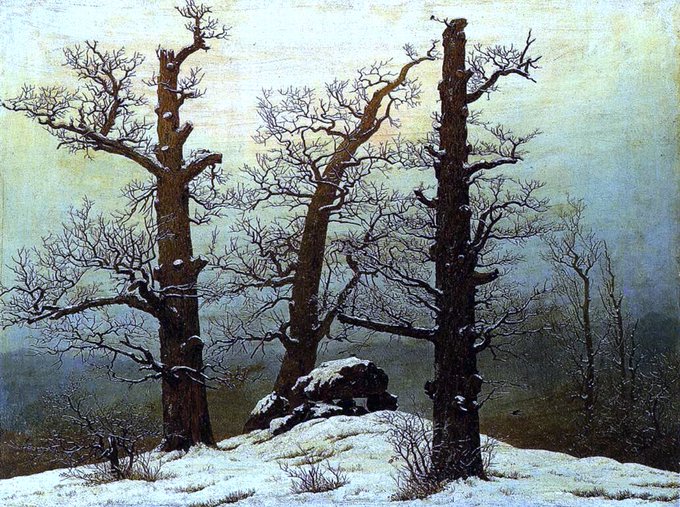


In Dresden he experimented with print making. He mostly worked in Ink & watercolours at the time. He began his lifelong love affair with landscape visiting Bohemia & the Harz Mountains. Dolmen (1807), Window (1805-6) & Elbtal (1807)


Thread: Caspar David Friedrich (1774-1840) is considered the greatest German landscape artist of his time. A key Romantic painter he explored the metaphysical role of human & nature. He truly captured the sublime. He was born on this day.




You can see more of my work in my Etsy shop. There are a limited number of special 2 for 1 deals where I’d like to keep pairs together.
Visit https://t.co/ESVlK51Bhf to see more!