
Nathanさんのイラストまとめ
@level106Follow @level106さんをフォローする
フォロー数:1321 フォロワー数:1017

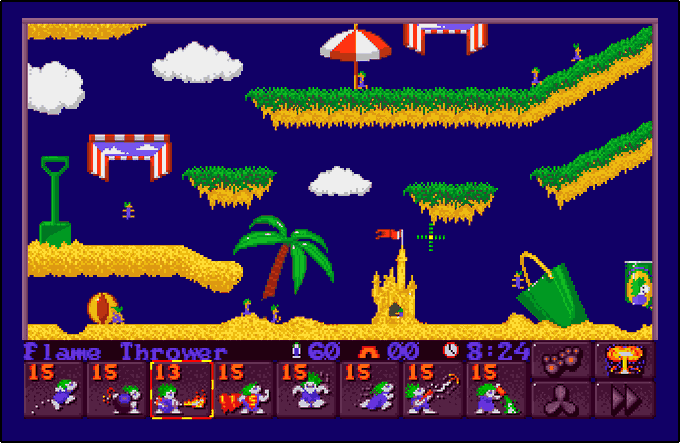
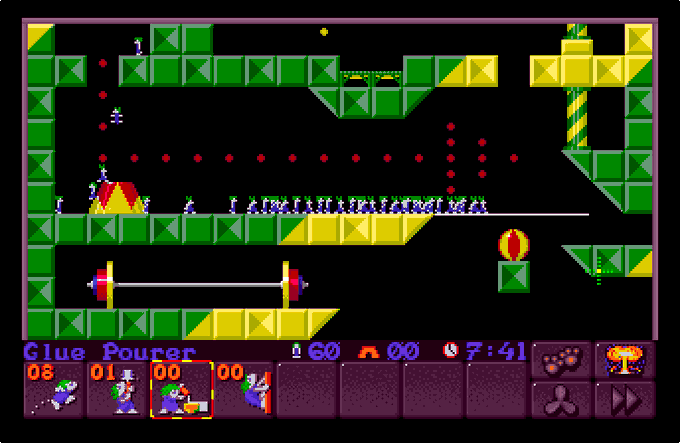


@Bhaal_Spawn What's Christmas if you can't explode a few lemmings, eh? 😎
[it's not cruel .. it's tradition] 😉
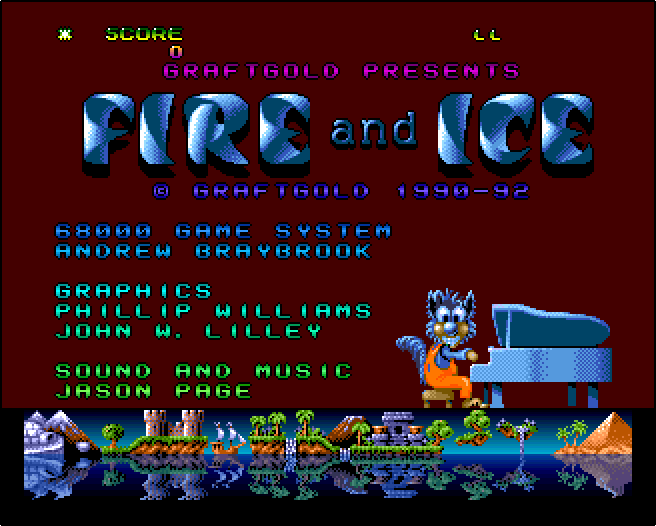
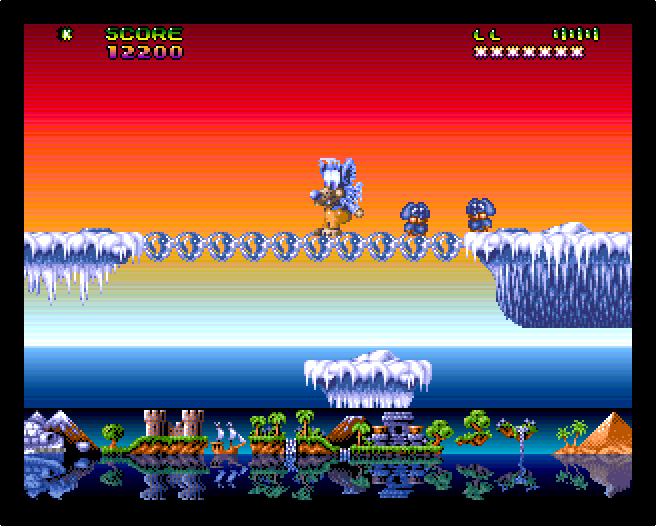
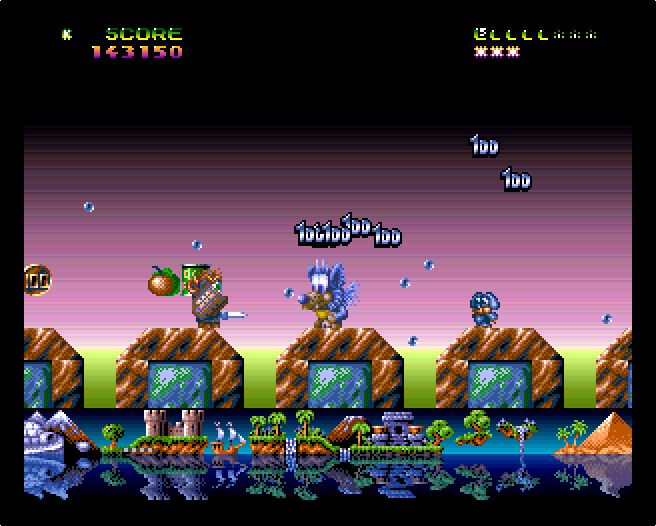
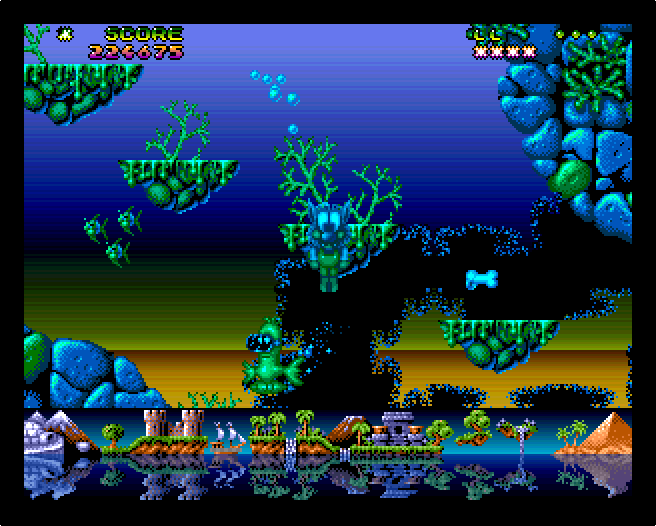
@Nevele79 @CommodoreBlog @8bit_era Fire and Ice was always my favourite Amiga platformer.
Maybe part of that is sentimental, as I had it from day one with my first Amiga.
Though, looking back on them now, I think maybe I'd rank Superfrog higher. 🤔 It's hard to judge. 🙂

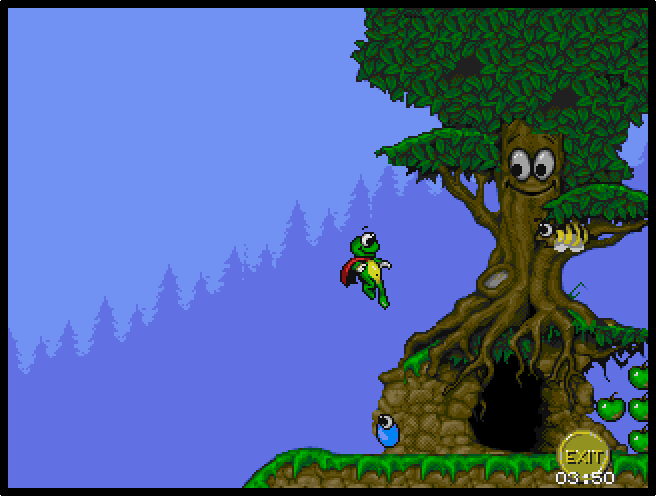
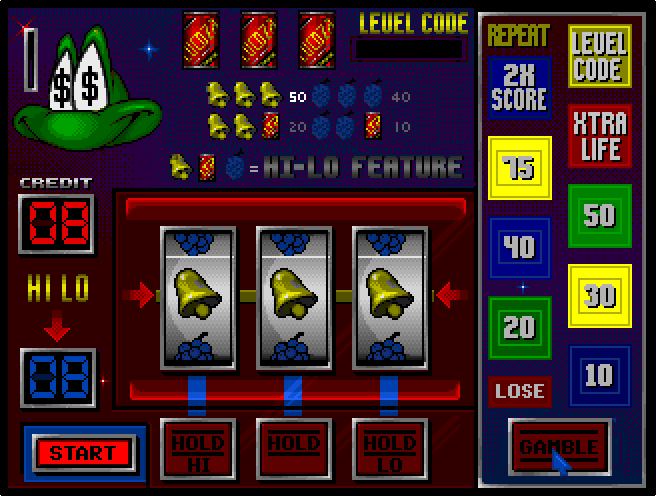
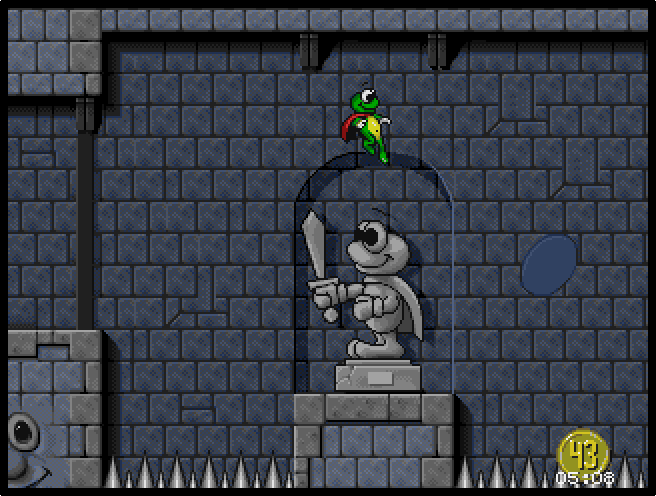
@Nevele79 @CommodoreBlog @8bit_era You finished Superfrog? Wow, I'm impressed.
It's a huge game. I just didn't have the patience to learn the later levels. (Especially those bits where you get hit, slide down, get hit by something else, slide down, onto spikes.) 😋
[dos version screenshots this time]
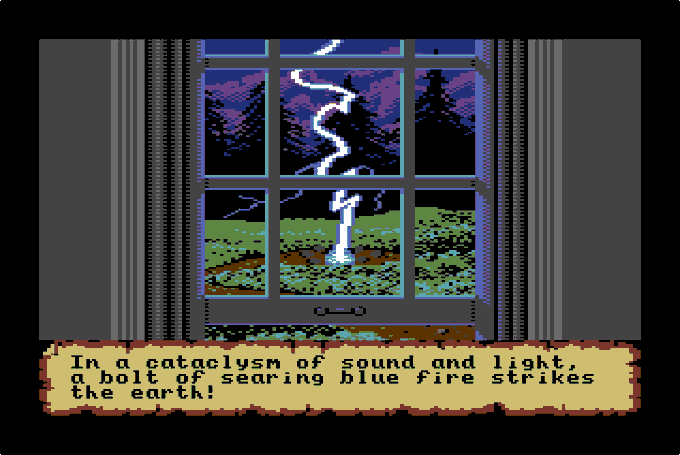
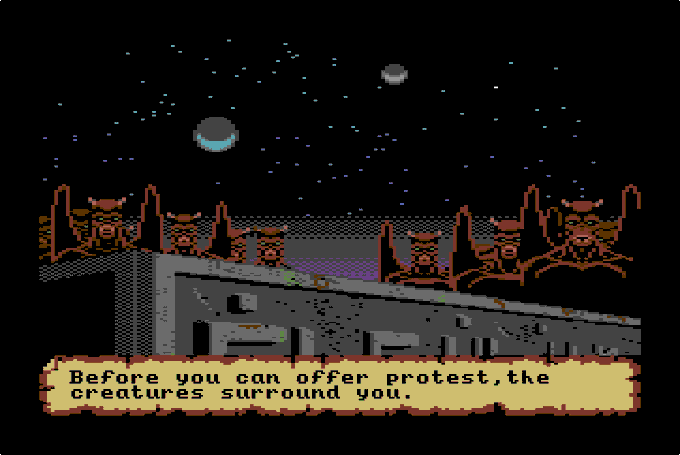

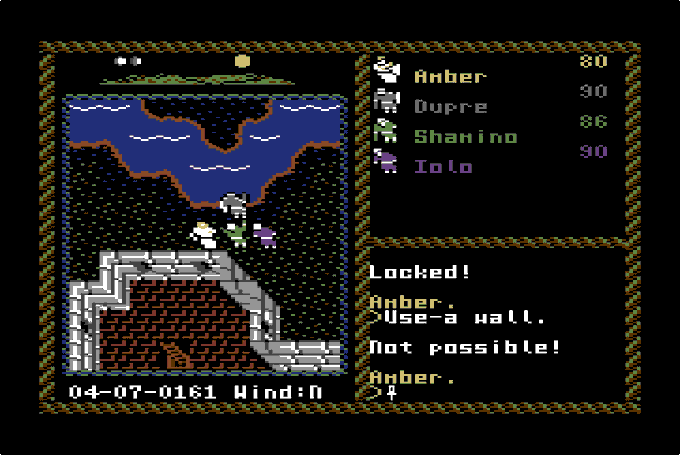
@videogamenewsr2 @CommodoreBlog @EverythingC64 Yeah. I read bits in the C64 addendum booklet that specified things in the manual that the C64 version didn't have. But it was the auto-saves and continual disk-swapping that made me give up on it. Too much loading, not enough game.
But I can play any version of the game now. 😁

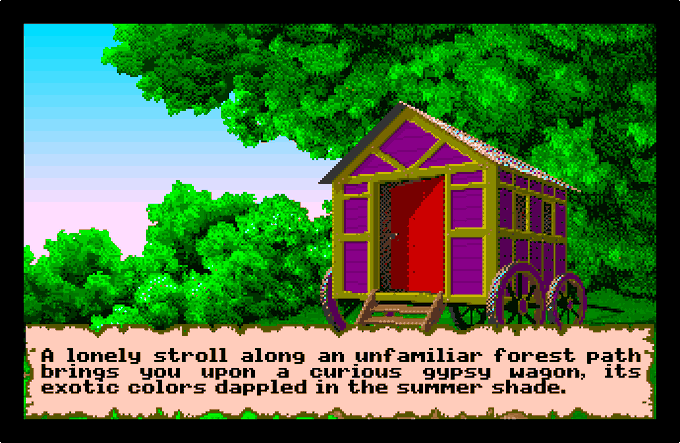

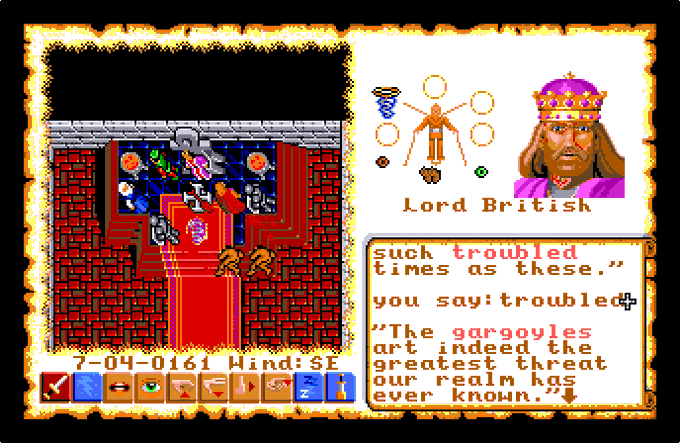
@videogamenewsr2 @CommodoreBlog @EverythingC64 So I have decided to revisit it recently. But, since DOS was the primary development platform, and the Amiga and ST versions were feature-complete, I'm going for the Amiga version this time.
All that waiting and disk-swapping gone. I feel younger already. 😋
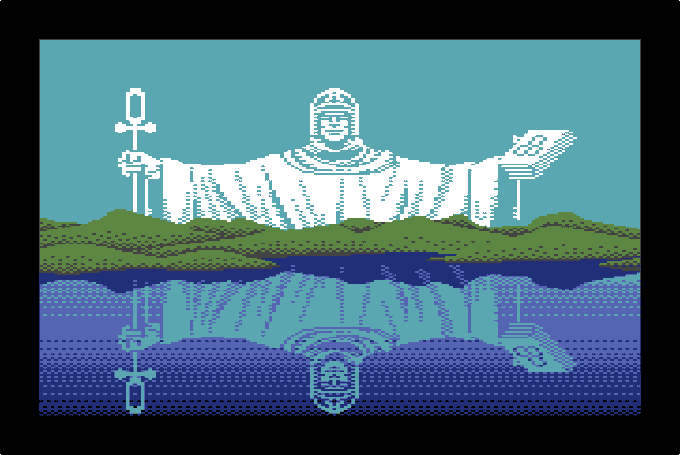
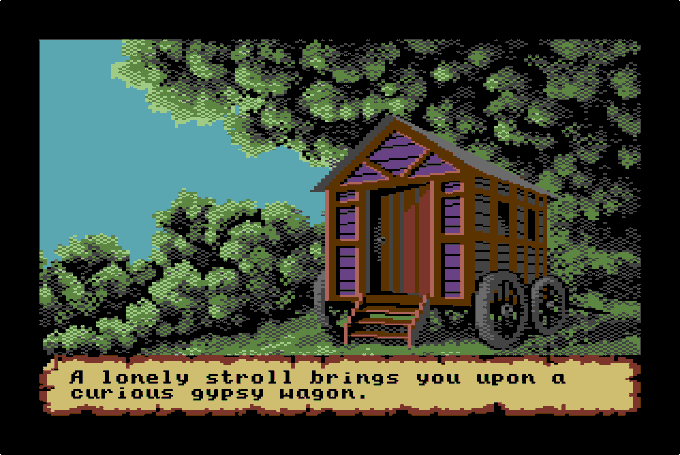
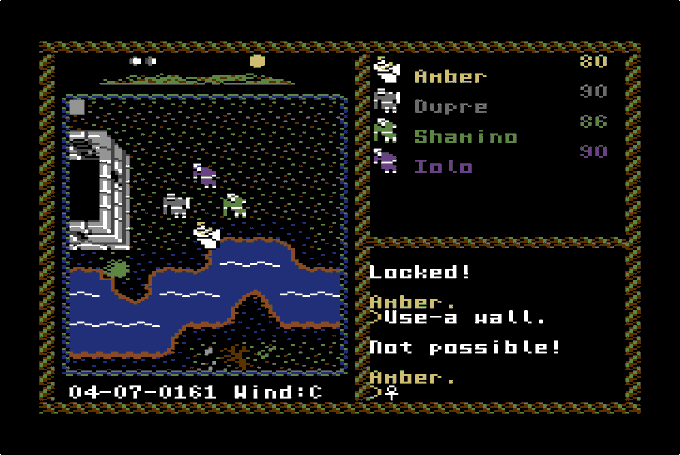
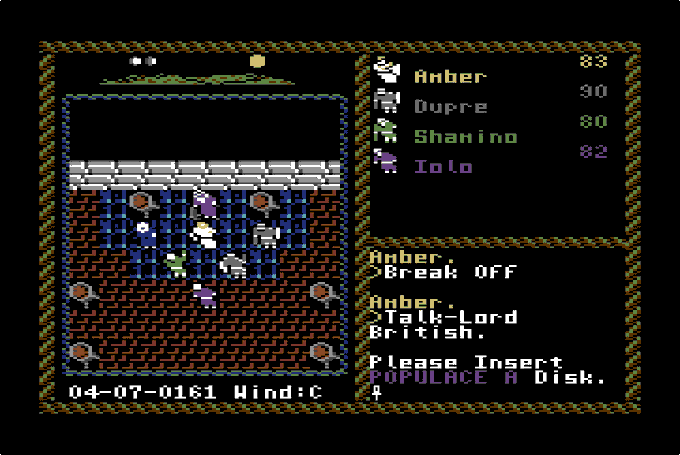
@videogamenewsr2 @CommodoreBlog @EverythingC64 I had Ultima VI too. But disappointed with the C64 version. The instructions mentioned things that had been cut-out of the C64 port. In game there's no music, or even sound. The interface was slow. *So* much loading. And only one disk-drive supported, so lots of disk swapping 😐
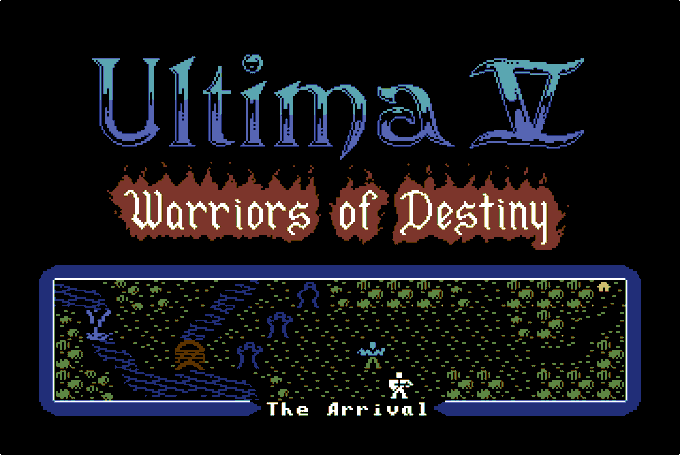
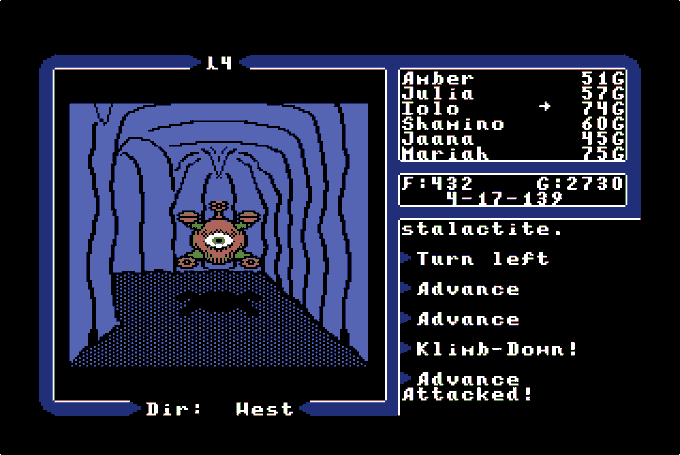
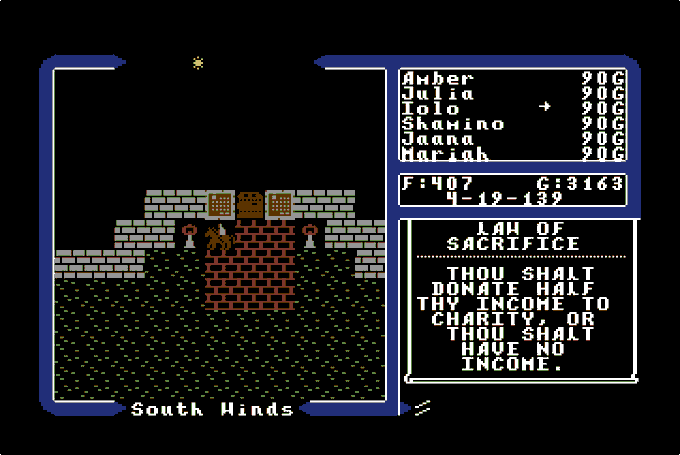
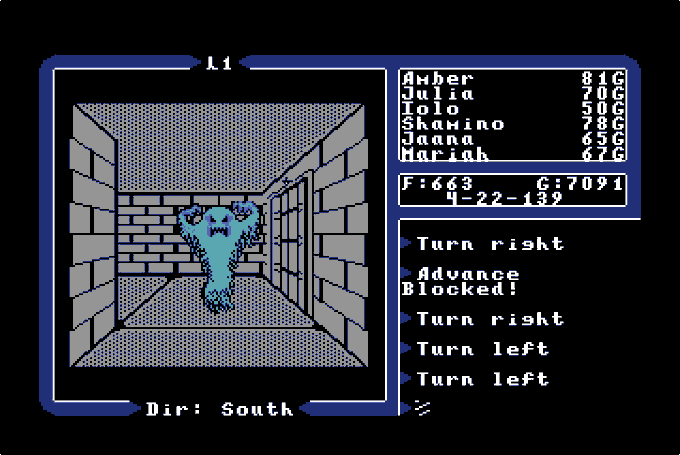
@CommodoreBlog @EverythingC64 If I were to rank my favourite in pure hours sunk in to it?
Totally Ultima V. I was an Ultima addict in general, but this one stretched the machines capabilities to the max. (Four double-sided disks of RPG action.) 🤓👍

@UniverCurious @loonymoon This one I call "Klingon Blood", for all you Star Trek VI fans.
You haven't experienced Klingon blood until you've seen it in the original WinAmp visualiser. 😉